Introduction to TIDE 2.0 Scheme

India has emerged as one of the world’s fastest-growing startup ecosystems, with thousands of entrepreneurs developing innovative solutions in fields such as Artificial Intelligence (AI), Internet of Things (IoT), Blockchain, Robotics, Healthcare Technology, FinTech, Agritech, Clean Energy, and Smart Manufacturing. While innovative ideas are abundant, many early-stage startups struggle with limited access to funding, mentorship, incubation facilities, technical infrastructure, and market opportunities.

Recognizing these challenges, the Ministry of Electronics and Information Technology (MeitY), Government of India, launched the Technology Incubation and Development of Entrepreneurs (TIDE) 2.0 Scheme. The scheme aims to strengthen India’s technology startup ecosystem by supporting entrepreneurs through incubation, financial assistance, mentoring, networking, and commercialization support.

TIDE 2.0 focuses on nurturing technology-driven startups that have the potential to solve real-world challenges and contribute to India’s digital economy. Through a network of incubation centres across the country, the scheme provides aspiring entrepreneurs with the resources needed to transform innovative ideas into successful businesses.

The initiative complements flagship government programmes such as Startup India, Digital India, Atal Innovation Mission (AIM), Make in India, Skill India Mission, and Atmanirbhar Bharat by promoting innovation, job creation, and technology-based entrepreneurship.

In this article, we will explore everything about the TIDE 2.0 Scheme, including its objectives, key features, benefits, eligibility criteria, support provided, application process, implementation framework, and its contribution to strengthening India’s startup ecosystem.


What is TIDE 2.0 Scheme?

The Technology Incubation and Development of Entrepreneurs (TIDE) 2.0 Scheme is a flagship initiative of the Ministry of Electronics and Information Technology (MeitY) designed to promote technology entrepreneurship across India.

Launched in 2019, the scheme builds upon the success of the original TIDE programme by creating a stronger ecosystem for technology startups through incubation support, financial assistance, mentoring, and industry collaboration.

Instead of directly providing loans to entrepreneurs, TIDE 2.0 supports startups through a network of TIDE 2.0 Incubation Centres (TICs) and Centre of Entrepreneurship (CoEs) located at leading academic institutions and incubators. These centres help startups develop innovative products, validate business ideas, access expert mentoring, connect with investors, and scale their ventures.

The scheme particularly encourages innovation in emerging technology sectors such as Artificial Intelligence, Machine Learning, Internet of Things (IoT), Blockchain, Cybersecurity, Data Analytics, Robotics, Smart Mobility, Healthcare Technology, AgriTech, and other digital technologies.


Why Was the TIDE 2.0 Scheme Introduced?

Although India has witnessed significant startup growth, technology entrepreneurs often face several challenges during the early stages of their journey.

Some common challenges include:

  • Limited access to incubation facilities
  • Difficulty obtaining early-stage funding
  • Lack of mentoring and technical guidance
  • Limited commercialization support
  • Inadequate networking opportunities
  • Difficulty accessing investors
  • Limited research-to-market conversion

The Government introduced TIDE 2.0 to overcome these barriers and create a robust ecosystem where technology-based startups can grow successfully.

The scheme also supports national initiatives such as:

  • Startup India Initiative
  • Digital India
  • Atal Innovation Mission (AIM)
  • Make in India
  • Skill India Mission
  • Atmanirbhar Bharat
  • National Policy on Electronics

Objectives of the TIDE 2.0 Scheme

The scheme has several important objectives.

1. Promote Technology Entrepreneurship

The primary objective is to encourage innovative technology-based startups across India.

2. Strengthen Startup Incubation

The scheme develops world-class incubation infrastructure to support entrepreneurs.

3. Support Commercialization of Innovation

TIDE 2.0 helps innovators convert research and ideas into commercially viable products and services.

4. Encourage Digital Innovation

The programme promotes innovation in emerging digital technologies and electronics.

5. Generate Employment

Successful startups contribute to job creation and economic development.

6. Build a Sustainable Startup Ecosystem

The scheme encourages collaboration between academia, industry, investors, and government organizations.


Key Features of the TIDE 2.0 Scheme

Incubation Support

Startups receive structured incubation through recognized TIDE 2.0 centres, including workspace, technical guidance, mentoring, and business development support.


Financial Assistance

Eligible startups may receive financial assistance at different stages of incubation, subject to the scheme guidelines and evaluation by the respective incubation centre.


Mentorship

Entrepreneurs receive guidance from experienced mentors, industry experts, academicians, and successful business leaders.


Technology Development Support

The scheme encourages innovation in areas such as:

  • Artificial Intelligence (AI)
  • Internet of Things (IoT)
  • Blockchain
  • Robotics
  • Cybersecurity
  • Machine Learning
  • Data Analytics
  • Healthcare Technology
  • AgriTech
  • Smart Mobility
  • Electronics System Design
  • Clean Technology

Networking Opportunities

Incubation centres facilitate interactions with investors, industry leaders, research institutions, and government agencies.


Capacity Building

Entrepreneurs participate in workshops, training sessions, innovation programmes, and business development activities.


Benefits of the TIDE 2.0 Scheme

1. Early-Stage Startup Support

The scheme helps entrepreneurs transform innovative ideas into viable businesses.


2. Access to Expert Mentorship

Founders receive guidance from experienced professionals and industry experts.


3. Incubation Infrastructure

Startups benefit from office space, laboratories, technical facilities, and innovation ecosystems available at incubation centres.


4. Funding Opportunities

Eligible startups may receive financial support during different stages of product development and commercialization, as per programme guidelines.


5. Business Development Support

Entrepreneurs receive assistance in market validation, business planning, intellectual property awareness, and investor readiness.


6. Industry Collaboration

The scheme promotes partnerships with industries, research organizations, and technology experts.


7. Employment Generation

Successful startups create new employment opportunities and contribute to India’s digital economy.


Eligibility Criteria

Eligibility varies depending on the incubation centre and specific programme. Generally, applicants should:

  • Be an Indian citizen or an eligible startup entity.
  • Have an innovative technology-based business idea or startup.
  • Focus on products or services in electronics, IT, or other emerging technology sectors.
  • Meet the eligibility criteria prescribed by the selected TIDE 2.0 incubation centre.
  • Comply with MeitY and incubator guidelines.

Applicants should verify the latest eligibility requirements before applying.


Documents Required

Applicants may generally need:

  • Aadhaar Card
  • PAN Card
  • Passport-size photographs
  • Startup registration documents (if incorporated)
  • Certificate of Incorporation (if applicable)
  • DPIIT Startup Recognition Certificate (if available)
  • Business plan or pitch deck
  • Product concept note
  • Financial projections
  • Founder profiles
  • Bank account details
  • Any additional documents requested by the incubation centre

Document requirements may vary across incubation centres.


How to Apply for the TIDE 2.0 Scheme

Step 1: Identify a TIDE 2.0 Incubation Centre

Choose a recognized TIDE 2.0 incubation centre or Centre of Entrepreneurship that aligns with your startup’s domain.


Step 2: Review Programme Guidelines

Carefully check the eligibility criteria, application schedule, and support offered by the selected incubator.


Step 3: Prepare Your Startup Proposal

Develop a detailed business plan or pitch deck explaining the problem, solution, market opportunity, technology, business model, and funding requirements.


Step 4: Submit the Application

Apply through the designated application process of the respective incubation centre during the open application period.


Step 5: Evaluation and Selection

Applications are assessed based on innovation, scalability, technical feasibility, market potential, and overall impact.


Step 6: Incubation and Support

Selected startups receive incubation, mentoring, networking, and financial support according to the approved programme.


Who Can Benefit from the TIDE 2.0 Scheme?

The scheme is beneficial for:

  • Early-stage technology startups
  • Student entrepreneurs
  • Researchers
  • Innovators
  • Women entrepreneurs
  • MSMEs developing technology solutions
  • AI startups
  • IoT startups
  • FinTech startups
  • HealthTech startups
  • AgriTech startups
  • Electronics startups
  • Software product companies
  • Deep-tech innovators

Impact of the TIDE 2.0 Scheme

The TIDE 2.0 Scheme has strengthened India’s technology startup ecosystem by:

  • Promoting innovation-led entrepreneurship.
  • Expanding incubation infrastructure.
  • Supporting commercialization of research.
  • Encouraging collaboration between academia and industry.
  • Helping startups access mentorship and funding.
  • Creating employment opportunities in the technology sector.
  • Contributing to India’s digital transformation.

The scheme continues to play a significant role in developing globally competitive technology startups.


Challenges and Future Opportunities

While TIDE 2.0 has made notable progress, there are opportunities for further growth.

Expanding Regional Reach

Increasing the number of incubation centres in Tier-II and Tier-III cities can improve access for aspiring entrepreneurs.


Strengthening Industry Partnerships

Closer collaboration with industry can enhance commercialization and market access.


Promoting Deep-Tech Innovation

Greater focus on frontier technologies such as quantum computing, semiconductor design, advanced robotics, and sustainable technologies can strengthen India’s innovation ecosystem.


Increasing Investor Participation

Enhanced collaboration with angel investors, venture capital firms, and corporate partners can accelerate startup growth.


How TIDE 2.0 Supports India’s Vision

The TIDE 2.0 Scheme complements several national initiatives, including:

  • Startup India Initiative
  • Atal Innovation Mission (AIM)
  • Digital India
  • Skill India Mission
  • Make in India
  • Credit Guarantee Scheme for Startups (CGSS)
  • PM Vishwakarma Scheme

Together, these programmes promote innovation, technology entrepreneurship, employment generation, and economic growth while strengthening India’s global competitiveness.


How Raiseonic Helps Entrepreneurs Stay Updated

Government startup programmes, technology incubation initiatives, and entrepreneurship schemes are regularly updated with new funding opportunities, eligibility criteria, and policy changes.

At Raiseonic, we simplify government schemes by providing easy-to-understand guides, practical insights, and expert information on startup funding, MSME support, innovation programmes, business loans, women entrepreneurship schemes, skill development initiatives, and financial assistance programmes.

Whether you are a student, entrepreneur, startup founder, researcher, or innovator, Raiseonic helps you stay informed about the latest government opportunities that can support your entrepreneurial journey.


Conclusion

The Technology Incubation and Development of Entrepreneurs (TIDE) 2.0 Scheme is a significant initiative by the Ministry of Electronics and Information Technology that strengthens India’s technology startup ecosystem through incubation, mentoring, networking, and innovation support. By enabling entrepreneurs to transform promising ideas into scalable businesses, the scheme contributes to technological advancement, employment generation, and economic growth.

With its focus on emerging technologies, collaboration between academia and industry, and structured incubation support, TIDE 2.0 continues to empower innovators across the country. Aspiring entrepreneurs with technology-driven ideas should explore the opportunities available under the scheme through recognized TIDE 2.0 incubation centres.

For the latest updates on startup schemes, innovation programmes, MSME support, government funding initiatives, women entrepreneurship schemes, skill development programmes, and financial assistance opportunities, stay connected with Raiseonic—your trusted source for simplified government scheme information and guidance.

Introduction to Cent Kalyani Scheme

Women entrepreneurs are becoming key contributors to India’s economic growth by establishing businesses, generating employment, and driving innovation across sectors such as manufacturing, retail, services, agriculture, education, healthcare, food processing, and handicrafts. Despite their growing participation in business, many women continue to face challenges in securing affordable credit, expanding their enterprises, and accessing institutional finance.

To encourage women-led enterprises and promote financial inclusion, the Government of India and public sector banks have introduced several specialized loan schemes. One such initiative is the Cent Kalyani Scheme, offered by the Central Bank of India. The scheme is specifically designed to provide financial assistance to women entrepreneurs for starting new businesses, expanding existing enterprises, purchasing machinery, meeting working capital requirements, and supporting overall business growth.

The Cent Kalyani Scheme aims to empower women by improving access to formal credit, reducing financial barriers, and encouraging entrepreneurship. Whether you are planning to establish your first business or expand an existing venture, this scheme offers an opportunity to access institutional finance from one of India’s leading public sector banks.

In this article, we will explore everything about the Cent Kalyani Scheme, including its objectives, features, benefits, eligibility criteria, loan coverage, documents required, application process, and how it supports women entrepreneurship in India.


What is the Cent Kalyani Scheme?

The Cent Kalyani Scheme is a business loan programme offered by the Central Bank of India exclusively for women entrepreneurs.

The scheme provides financial assistance to eligible women for establishing new enterprises as well as expanding, modernizing, or diversifying existing businesses. It supports both manufacturing and service sector enterprises, helping women become financially independent and self-reliant.

The loan can generally be used for:

  • Setting up a new business
  • Purchasing machinery and equipment
  • Business expansion
  • Modernization of existing units
  • Working capital requirements
  • Infrastructure development
  • Business diversification

The exact loan amount, interest rate, collateral requirements, repayment period, and other terms are subject to the Central Bank of India’s prevailing lending policies and regulatory guidelines.


Why Was the Cent Kalyani Scheme Introduced?

Women-owned businesses often encounter several barriers while seeking institutional finance.

Some common challenges include:

  • Limited collateral for loans
  • Difficulty obtaining business credit
  • Lack of access to formal banking
  • High financing costs
  • Limited financial awareness
  • Challenges in scaling businesses

The Cent Kalyani Scheme was introduced to address these challenges by offering dedicated financial support to women entrepreneurs and encouraging greater participation of women in business and industry.

The scheme complements several national initiatives, including:

  • Startup India
  • Stand-Up India
  • Pradhan Mantri Mudra Yojana
  • Skill India Mission
  • Digital India
  • Women-Led Development

Objectives of the Cent Kalyani Scheme

The scheme has several important objectives.

1. Promote Women Entrepreneurship

The primary objective is to encourage women to establish and successfully operate businesses.

2. Improve Access to Institutional Finance

The scheme helps eligible women obtain formal business loans from a public sector bank.

3. Support MSME Development

Financial assistance promotes the growth of women-owned Micro, Small, and Medium Enterprises (MSMEs).

4. Encourage Self-Employment

The scheme creates opportunities for women to become self-employed and financially independent.

5. Generate Employment

Growing businesses create direct and indirect employment opportunities.

6. Promote Financial Inclusion

The scheme strengthens women’s participation in India’s formal banking and financial system.


Key Features of the Cent Kalyani Scheme

Business Loan Assistance

Eligible women entrepreneurs can obtain loans for:

  • New business setup
  • Expansion of existing enterprises
  • Machinery purchase
  • Equipment financing
  • Infrastructure creation
  • Working capital
  • Business modernization

Support for Multiple Sectors

The scheme generally supports businesses operating in:

  • Manufacturing
  • Retail
  • Trading
  • Service sector
  • Food processing
  • Agriculture and allied activities
  • Handicrafts
  • Healthcare
  • Education
  • Small industries

Loan approval depends on the viability of the business and the bank’s lending policies.


Flexible Financing Options

Subject to credit appraisal, financial assistance may be provided in the form of:

  • Term loans
  • Working capital loans
  • Cash credit facilities
  • Composite loans (where applicable)

Competitive Interest Rates

Loans are offered at interest rates determined according to the bank’s prevailing guidelines and the applicant’s credit profile. Applicants should verify the latest rates with the Central Bank of India before applying.


Business Growth Support

The scheme helps women invest in:

  • Technology upgrades
  • Capacity expansion
  • Inventory management
  • Operational improvements
  • Business diversification

Benefits of the Cent Kalyani Scheme

1. Easy Access to Business Finance

Women entrepreneurs receive institutional financial support for business development.


2. Encourages Entrepreneurship

The scheme motivates more women to start their own enterprises.


3. Business Expansion Opportunities

Existing businesses can invest in modernization and growth.


4. Financial Independence

Women gain greater control over business finances and long-term wealth creation.


5. Employment Generation

Successful enterprises create jobs within local communities.


6. MSME Growth

The scheme strengthens women-owned MSMEs and contributes to economic development.


7. Inclusive Economic Development

The programme supports the Government’s vision of women-led development and inclusive growth.


Eligibility Criteria

Eligibility is subject to the Central Bank of India’s prevailing policies. Generally, applicants should:

  • Be a woman entrepreneur.
  • Be engaged in an eligible business activity.
  • Meet the bank’s creditworthiness and repayment criteria.
  • Submit all required business and financial documents.
  • Comply with applicable banking regulations.

Depending on the nature of the enterprise, additional eligibility conditions may apply.


Documents Required

Applicants generally need to submit:

  • Aadhaar Card
  • PAN Card
  • Passport-size photographs
  • Address proof
  • Business registration documents
  • Udyam Registration Certificate (if applicable)
  • GST registration (where applicable)
  • Partnership deed or incorporation certificate
  • Bank account statements
  • Income Tax Returns (where applicable)
  • Financial statements
  • Project report or business plan
  • Machinery quotations (if required)

The bank may request additional documents during the loan appraisal process.


How to Apply for the Cent Kalyani Scheme

Step 1: Prepare a Business Plan

Develop a detailed project report outlining your business objectives, investment requirements, projected income, and repayment plan.


Step 2: Visit the Central Bank of India Branch

Contact the nearest Central Bank of India branch that offers MSME or business loan services.


Step 3: Discuss Loan Requirements

Meet with the loan officer to determine the most suitable financing option under the Cent Kalyani Scheme.


Step 4: Submit the Loan Application

Complete the application form and provide all required documents.


Step 5: Credit Assessment

The bank evaluates:

  • Business viability
  • Financial position
  • Credit history
  • Repayment capacity
  • Compliance with lending norms

Step 6: Loan Approval and Disbursement

Upon successful appraisal, the loan is sanctioned and disbursed according to the approved terms and conditions.


Who Can Benefit from the Cent Kalyani Scheme?

The scheme is suitable for:

  • First-time women entrepreneurs
  • Existing women business owners
  • MSMEs
  • Manufacturing units
  • Retail businesses
  • Service providers
  • Food processing enterprises
  • Boutique and fashion businesses
  • Beauty and wellness centres
  • Educational institutions
  • Healthcare service providers
  • Agriculture-based enterprises

How the Cent Kalyani Scheme Supports Women Entrepreneurs

The scheme contributes to women entrepreneurship by:

  • Improving access to institutional finance.
  • Encouraging business ownership.
  • Supporting enterprise expansion.
  • Promoting financial independence.
  • Enhancing income generation.
  • Creating employment opportunities.
  • Strengthening women-led MSMEs.

It plays an important role in building a more inclusive entrepreneurial ecosystem in India.


Challenges and Important Considerations

Before applying, entrepreneurs should keep the following in mind.

Loan Approval Depends on Credit Assessment

Meeting the eligibility criteria does not guarantee loan approval. Applications are evaluated according to the bank’s internal credit policies.


Maintain Proper Financial Records

Well-maintained financial statements improve loan eligibility and repayment planning.


Prepare a Strong Project Report

A detailed business proposal enhances the chances of securing financial assistance.


Verify Current Scheme Guidelines

Loan limits, interest rates, collateral requirements, repayment periods, and other terms may change over time. Applicants should always verify the latest details with the Central Bank of India before submitting an application.


How the Cent Kalyani Scheme Supports India’s Vision of Women-Led Development

The Cent Kalyani Scheme complements several government initiatives aimed at promoting entrepreneurship and financial inclusion, including:

  • Startup India Initiative
  • Stand-Up India Scheme
  • Pradhan Mantri Mudra Yojana
  • SBI Stree Shakti Package
  • Mahila Udyam Nidhi Scheme
  • Udyogini Scheme
  • Credit Guarantee Scheme for Startups (CGSS)

Together, these programmes strengthen India’s entrepreneurial ecosystem by encouraging innovation, business creation, employment generation, and women-led economic development.


How Raiseonic Helps Women Entrepreneurs Stay Updated

Government schemes and bank loan programmes are regularly updated with revised eligibility criteria, financing options, and business support initiatives.

At Raiseonic, we simplify government and banking schemes by providing easy-to-understand guides, practical insights, and expert information on women entrepreneur loan schemes, MSME financing, startup funding, business grants, financial assistance programmes, and entrepreneurship development initiatives.

Whether you are launching your first business or expanding an existing enterprise, Raiseonic helps you stay informed about the latest opportunities that can support your entrepreneurial journey.


Conclusion

The Cent Kalyani Scheme is a valuable financing initiative offered by the Central Bank of India to encourage women entrepreneurship by providing business loans for new ventures, expansion, modernization, and working capital needs. By improving access to institutional finance, the scheme empowers women to establish successful enterprises, create employment opportunities, and contribute to India’s economic growth.

Although the scheme offers significant benefits, applicants should review the latest eligibility criteria, interest rates, loan limits, collateral requirements, and documentation guidelines with the Central Bank of India before applying. A well-prepared business plan, sound financial management, and compliance with banking norms can improve the likelihood of loan approval.

As India continues to promote women-led development and entrepreneurship, the Cent Kalyani Scheme remains an important financial support option for aspiring and established women entrepreneurs.

For the latest updates on women entrepreneur schemes, MSME support programmes, startup initiatives, business loans, government schemes, financial assistance, and entrepreneurship opportunities, stay connected with Raiseonic—your trusted source for simplified government scheme information and guidance.
Introduction to Startup India Initiative

Entrepreneurship has become one of the most powerful drivers of economic growth, innovation, and employment generation across the world. In India, a new generation of entrepreneurs is solving real-world challenges by building innovative startups in sectors such as technology, healthcare, agriculture, education, fintech, manufacturing, clean energy, logistics, and artificial intelligence. These startups are not only creating jobs but also contributing significantly to the country’s vision of becoming a global innovation hub.

Despite the immense potential of Indian entrepreneurs, startups often face several challenges during their early stages. Limited access to funding, complex regulatory procedures, inadequate mentorship, lack of market access, and compliance burdens can slow down business growth. Recognizing these obstacles, the Government of India launched the Startup India Initiative to create a supportive ecosystem that encourages innovation and entrepreneurship.

Launched in 2016, Startup India is one of India’s flagship programmes designed to nurture startups through policy reforms, tax incentives, funding support, simplified compliance, intellectual property assistance, incubation support, and easier access to government procurement opportunities.

Today, Startup India has transformed India’s entrepreneurial landscape by supporting thousands of startups across the country and positioning India among the world’s leading startup ecosystems.

In this article, we will explore everything about the Startup India Initiative, including its objectives, features, benefits, eligibility criteria, registration process, government support, and its contribution to India’s economic development.


What is the Startup India Initiative?

The Startup India Initiative is a flagship programme of the Government of India, launched on 16 January 2016, to promote innovation, entrepreneurship, and startup growth.

The initiative is implemented by the Department for Promotion of Industry and Internal Trade (DPIIT) under the Ministry of Commerce and Industry.

Startup India aims to build a strong ecosystem where entrepreneurs can establish, grow, and scale innovative businesses by reducing regulatory barriers and providing access to financial, legal, and technical support.

The initiative focuses on:

  • Promoting innovation
  • Encouraging entrepreneurship
  • Simplifying regulations
  • Supporting startup funding
  • Facilitating skill development
  • Creating employment opportunities
  • Strengthening India’s global competitiveness

Why Was Startup India Introduced?

Before the launch of Startup India, entrepreneurs often encountered several challenges while starting and growing businesses.

Some major issues included:

  • Limited access to early-stage funding
  • Complex regulatory compliance
  • Lengthy business registration procedures
  • High cost of intellectual property protection
  • Lack of mentorship and incubation facilities
  • Limited networking opportunities
  • Difficulty accessing government procurement

To address these challenges, the Government introduced Startup India to create an entrepreneur-friendly ecosystem that supports innovation and sustainable business growth.

The initiative also supports national priorities such as:

  • Atmanirbhar Bharat
  • Digital India
  • Make in India
  • Skill India
  • Employment Generation
  • Ease of Doing Business

Objectives of Startup India Initiative

The Startup India Initiative has several important objectives.

1. Promote Entrepreneurship

The programme encourages individuals to start innovative businesses across various sectors.

2. Foster Innovation

Startup India supports the development of new technologies, products, and business models.

3. Generate Employment

Successful startups create direct and indirect employment opportunities across industries.

4. Simplify Business Regulations

The initiative reduces regulatory burdens through simplified compliance and self-certification.

5. Improve Access to Finance

Government support helps startups connect with investors, venture capital funds, and financial institutions.

6. Build a Strong Startup Ecosystem

Startup India strengthens collaboration among entrepreneurs, investors, incubators, educational institutions, and government agencies.


Key Features of Startup India

DPIIT Recognition

Eligible startups can obtain official recognition from DPIIT, enabling them to access various government benefits and support programmes.


Simplified Compliance

Recognized startups benefit from simplified compliance under certain labour and environmental laws through self-certification, subject to applicable rules.


Intellectual Property (IPR) Support

The initiative facilitates easier access to patent, trademark, and design filing support while encouraging innovation and protection of intellectual property.


Startup India Seed Fund Scheme (SISFS)

Eligible startups may receive support through the Startup India Seed Fund Scheme to help with proof of concept, product development, prototype creation, market entry, and commercialization through selected incubators.


Fund of Funds for Startups (FFS)

The Government has established a Fund of Funds managed through designated financial institutions to encourage investment in startups via SEBI-registered Alternative Investment Funds (AIFs).


Incubation and Mentorship

Startup India promotes incubators, innovation centres, research institutions, and startup hubs that provide guidance, networking, mentoring, and business development support.


Government Procurement Support

Recognized startups may benefit from certain relaxations in eligibility requirements for participating in eligible government procurement opportunities, subject to applicable procurement policies.


Benefits of Startup India

1. Easier Business Registration

The initiative simplifies the startup registration and recognition process through online systems.


2. Tax Benefits

Eligible startups may claim tax incentives under applicable provisions of the Income Tax Act, subject to fulfilling the prescribed conditions and government notifications.


3. Funding Opportunities

Startups gain improved access to seed funding, venture capital, angel investors, and government-supported financing programmes.


4. Innovation Support

Entrepreneurs receive assistance for research, product development, intellectual property, and commercialization.


5. Networking Opportunities

The initiative connects startups with incubators, investors, mentors, academic institutions, and industry experts.


6. Employment Generation

Growing startups contribute to job creation and regional economic development.


7. Global Competitiveness

Startup India encourages innovation that enables Indian businesses to compete in international markets.


Eligibility Criteria

To obtain recognition under Startup India, an entity generally should:

  • Be incorporated as a Private Limited Company, Registered Partnership Firm, or Limited Liability Partnership (LLP).
  • Meet the conditions prescribed by DPIIT for startup recognition.
  • Be working toward innovation, development, improvement of products, services, or processes, or have a scalable business model with potential for wealth creation and employment generation.
  • Satisfy applicable age and turnover limits as notified by the Government from time to time.

Applicants should always refer to the latest official guidelines, as eligibility criteria may be updated.


Documents Required

Applicants generally require:

  • Certificate of Incorporation or Registration
  • PAN
  • Aadhaar of authorized signatories
  • Business details
  • Company address proof
  • Website details (if available)
  • Pitch deck or business description (where required)
  • Bank account details
  • Supporting documents for innovation, if applicable

Additional documentation may be requested depending on the application.


How to Register Under Startup India

Step 1: Incorporate Your Business

Register your company, LLP, or partnership firm through the applicable legal process.


Step 2: Apply for DPIIT Recognition

Submit an online application for Startup India recognition through the official Startup India platform.


Step 3: Upload Required Documents

Provide all required documents and declarations during the application process.


Step 4: Verification

Authorities review the application to determine whether the startup meets the prescribed eligibility criteria.


Step 5: Receive Recognition

Upon approval, eligible startups receive DPIIT recognition and can access applicable Startup India benefits.


Major Government Support Under Startup India

Startup India works alongside several government initiatives, including:

  • Startup India Seed Fund Scheme
  • Credit Guarantee Scheme for Startups (CGSS)
  • Fund of Funds for Startups
  • Atal Innovation Mission
  • Biotechnology Industry Research Assistance Council (BIRAC) programmes
  • State Startup Policies
  • Incubation Centres
  • Innovation Hubs

These programmes collectively strengthen India’s startup ecosystem by providing financial assistance, mentoring, infrastructure, and policy support.


Impact of Startup India

Since its launch, Startup India has significantly transformed India’s entrepreneurial ecosystem.

Some major achievements include:

  • Growth in the number of recognized startups.
  • Increased innovation across multiple sectors.
  • Expansion of incubation and accelerator networks.
  • Greater participation of women entrepreneurs.
  • Improved startup funding ecosystem.
  • Higher employment generation.
  • Increased investor confidence in Indian startups.
  • Stronger collaboration between industry, academia, and government.

India is now recognized as one of the world’s largest startup ecosystems.


Challenges and Future Opportunities

Although Startup India has achieved remarkable success, certain challenges remain.

Access to Growth Capital

Many startups still face challenges in raising funds during expansion stages.


Market Access

Early-stage businesses often require stronger domestic and international market connections.


Rural Entrepreneurship

Greater support for rural and grassroots innovation can further strengthen inclusive entrepreneurship.


Emerging Technologies

Future opportunities lie in artificial intelligence, clean energy, biotechnology, space technology, agritech, deep tech, and digital transformation.

Continued policy reforms and ecosystem development will further enhance India’s global startup leadership.


How Startup India Supports India’s Vision of a Developed Nation

Startup India aligns closely with several national initiatives, including:

  • Atmanirbhar Bharat
  • Make in India
  • Digital India
  • Skill India Mission
  • Stand-Up India Scheme
  • PM Vishwakarma
  • Credit Guarantee Scheme for Startups

Together, these initiatives encourage innovation, manufacturing, digital transformation, entrepreneurship, and employment generation, contributing to sustainable economic growth.


How Raiseonic Helps Entrepreneurs Stay Updated on Startup Opportunities

Government startup policies, funding programmes, tax incentives, and innovation schemes continue to evolve with new opportunities for entrepreneurs.

At Raiseonic, we simplify government initiatives by providing easy-to-understand guides, practical insights, and expert information on startup funding, MSME schemes, entrepreneurship programmes, innovation initiatives, business loans, women entrepreneur schemes, government grants, and financial assistance programmes.

Whether you are launching your first startup or scaling an existing business, Raiseonic helps you stay informed about government support programmes that can accelerate your entrepreneurial journey.


Conclusion

The Startup India Initiative has transformed India’s entrepreneurial landscape by creating a supportive environment for innovation, business creation, and economic growth. Through simplified regulations, funding support, tax incentives, incubation, intellectual property assistance, and ecosystem development, the initiative empowers startups to overcome early-stage challenges and build sustainable enterprises.

As India continues its journey toward becoming a global innovation leader, Startup India remains a cornerstone of the country’s entrepreneurial ecosystem. By encouraging innovation, creating jobs, attracting investment, and supporting technology-driven businesses, the initiative contributes significantly to inclusive and sustainable development.

For the latest updates on Startup India, government schemes, entrepreneurship programmes, MSME support, innovation initiatives, funding opportunities, and business development resources, stay connected with Raiseonic—your trusted source for simplified government scheme information and guidance.
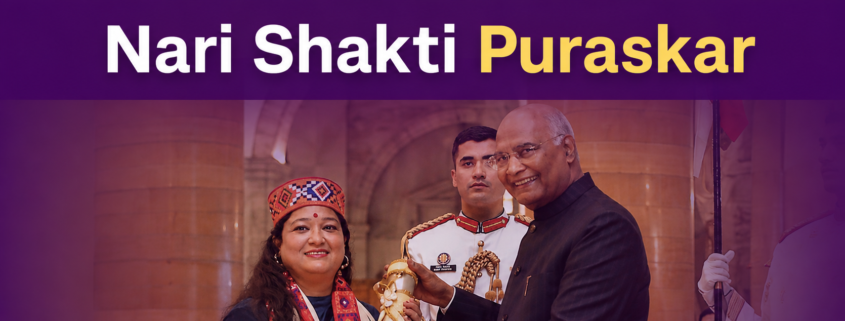
Nari Shakti Puraskar: India’s Highest Civilian Honour for Women Empowerment and Exceptional Achievement

Introduction to Nari Shakti Puraskar

Women have played a transformative role in shaping India’s social, economic, political, scientific, cultural, and entrepreneurial landscape. From leading successful businesses and pioneering scientific discoveries to driving grassroots development and championing social reforms, Indian women continue to inspire generations with their resilience, leadership, and innovation.

Recognizing and celebrating these extraordinary contributions is essential not only to honor individual achievements but also to encourage more women to pursue leadership roles, break barriers, and contribute to nation-building. Awards and national recognition help bring inspiring stories into the spotlight, motivating others to strive for excellence and create meaningful social impact.

To acknowledge exceptional contributions made by women and institutions working for women’s empowerment, the Government of India instituted the Nari Shakti Puraskar. Considered one of the country’s highest civilian honours dedicated to women, the award recognizes individuals and organizations that have made significant contributions toward women’s empowerment, social development, education, entrepreneurship, innovation, sports, arts, science, environmental conservation, and public service.

The Nari Shakti Puraskar reflects India’s commitment to promoting gender equality, celebrating women’s achievements, and encouraging inclusive development. It also reinforces the vision of Nari Shakti (Women’s Power) as a driving force behind the nation’s progress.

In this article, we will explore everything about the Nari Shakti Puraskar, including its objectives, significance, eligibility, selection process, award categories, benefits, and its contribution to promoting women-led development in India.


What is the Nari Shakti Puraskar?

The Nari Shakti Puraskar is the highest civilian honour conferred by the Government of India exclusively to recognize exceptional contributions toward women’s empowerment.

The award is presented annually by the Ministry of Women and Child Development (MWCD) to individuals and institutions that have demonstrated outstanding commitment to advancing the status of women through innovation, leadership, advocacy, social service, education, entrepreneurship, science, sports, arts, public administration, or community development.

The award is traditionally presented by the President of India during a national ceremony around International Women’s Day (8 March), subject to the Government’s annual schedule.

The Nari Shakti Puraskar recognizes contributions that have created lasting social impact and inspired positive change for women across the country.


Why Was Nari Shakti Puraskar Introduced?

Although women have made remarkable contributions across every field, many achievements—particularly those at the grassroots level—often go unnoticed.

The Government introduced the award to:

  • Recognize outstanding women achievers.
  • Celebrate organizations working for women empowerment.
  • Inspire future generations of women leaders.
  • Encourage innovation and social transformation.
  • Promote gender equality.
  • Highlight successful models of women-led development.

The award also supports India’s broader commitment to building an inclusive society where women receive equal opportunities to lead and excel.


Objectives of Nari Shakti Puraskar

The award has several important objectives.

1. Recognize Outstanding Contributions

The primary objective is to honour individuals and institutions that have significantly advanced women’s empowerment.

2. Encourage Women Leadership

The award motivates women to pursue leadership roles across diverse sectors.

3. Promote Gender Equality

It recognizes initiatives that help reduce gender disparities and create equal opportunities.

4. Inspire Social Change

Award-winning achievements encourage communities to support women’s education, entrepreneurship, health, and participation in public life.

5. Celebrate Innovation

The Puraskar acknowledges innovative solutions that improve the lives of women and girls.

6. Promote Inclusive Development

The award highlights efforts that contribute to sustainable and inclusive national development.


Areas of Recognition

The Nari Shakti Puraskar honours contributions across a broad range of sectors, including:

  • Women empowerment
  • Education
  • Entrepreneurship
  • Social service
  • Rural development
  • Skill development
  • Health and nutrition
  • Agriculture
  • Science and technology
  • Innovation
  • Environmental conservation
  • Sports
  • Arts and culture
  • Literature
  • Public administration
  • Community leadership
  • Digital inclusion
  • Financial inclusion

The Government may revise or expand the areas of recognition in accordance with the latest award guidelines.


Who Can Receive the Nari Shakti Puraskar?

The award recognizes both individuals and institutions that have made exceptional contributions toward women’s empowerment.

Potential recipients may include:

  • Women entrepreneurs
  • Social workers
  • Teachers
  • Scientists
  • Healthcare professionals
  • Sportspersons
  • Artists
  • Innovators
  • Researchers
  • Community leaders
  • Non-Governmental Organizations (NGOs)
  • Civil society organizations
  • Educational institutions
  • Corporate entities working on women empowerment initiatives

The award celebrates excellence across both urban and rural India.


Key Features of the Nari Shakti Puraskar

National Recognition

Recipients receive one of the country’s most prestigious honours dedicated to women’s empowerment.


Recognition Across Diverse Fields

The award acknowledges achievements in education, business, innovation, science, sports, governance, social work, and other sectors.


Encouragement for Grassroots Leadership

Individuals working in rural and underserved communities are also recognized for creating measurable social impact.


Promotion of Women-Led Development

The award reinforces the importance of women as leaders, entrepreneurs, innovators, and change-makers.


Inspiration for Future Generations

Award-winning stories inspire young girls and aspiring women leaders to pursue excellence.


Benefits of the Nari Shakti Puraskar

1. National Honour

Recipients receive recognition from the Government of India for their outstanding contributions.


2. Enhanced Visibility

The award brings national attention to impactful initiatives and successful role models.


3. Greater Social Impact

Recognition often helps awardees expand their work and reach larger communities.


4. Encouragement for Innovation

The award motivates individuals and organizations to continue developing innovative solutions for women’s empowerment.


5. Promotion of Gender Equality

Celebrating achievements encourages broader participation of women in leadership and decision-making.


6. Inspiration for Society

The achievements of awardees inspire communities to support education, entrepreneurship, and equal opportunities for women.


Eligibility Criteria

Eligibility is determined according to the official guidelines issued by the Ministry of Women and Child Development.

Generally, nominations may include:

  • Individuals who have made exceptional contributions toward women empowerment.
  • Institutions with outstanding work benefiting women and girls.
  • Organizations demonstrating measurable social impact.
  • Persons with exemplary achievements in their respective fields.

The Government may prescribe additional eligibility conditions for each award cycle.


Selection Process

The selection process typically involves multiple stages.

Step 1: Call for Nominations

The Ministry invites nominations through official channels.


Step 2: Submission of Applications

Eligible individuals and institutions submit nominations along with supporting documents.


Step 3: Screening and Evaluation

A designated committee reviews applications based on:

  • Impact of work
  • Innovation
  • Sustainability
  • Leadership
  • Contribution to women’s empowerment

Step 4: Final Selection

The selection committee recommends awardees for approval by the competent authority.


Step 5: Award Ceremony

Selected recipients are honoured at a national-level ceremony organized by the Government of India.


Documents Generally Required for Nomination

Depending on the applicable guidelines, nominations may include:

  • Nomination form
  • Identity proof
  • Detailed profile of the nominee
  • Description of achievements
  • Supporting documents
  • Awards and recognitions received
  • Photographs
  • Recommendation letters (where applicable)

The exact documentation requirements vary according to the official notification.


Impact of Nari Shakti Puraskar

Over the years, the Nari Shakti Puraskar has highlighted inspiring stories of women who have transformed lives through leadership, innovation, entrepreneurship, education, healthcare, environmental conservation, sports, science, and grassroots activism.

The award has contributed to:

  • Greater visibility for women achievers.
  • Increased awareness about gender equality.
  • Encouragement of women entrepreneurship.
  • Recognition of rural women leaders.
  • Promotion of education and innovation.
  • Strengthening community development.
  • Inspiring future generations of women.

By celebrating excellence, the award creates positive role models across every region of India.


How Nari Shakti Puraskar Supports India’s Vision of Women-Led Development

The award aligns with several national priorities, including:

  • Women-Led Development
  • Beti Bachao Beti Padhao
  • Startup India
  • Skill India
  • Digital India
  • Financial Inclusion
  • Inclusive Economic Growth
  • Sustainable Development Goals (SDGs)

Recognizing women leaders encourages broader participation of women in governance, entrepreneurship, education, science, and public life.


Challenges and the Way Forward

Although the award has successfully recognized numerous achievers, further efforts can strengthen its impact.

Greater Awareness

Many deserving individuals and grassroots organizations remain unaware of nomination opportunities.


Wider Outreach

Expanding awareness in rural and remote regions can increase participation from underserved communities.


Youth Engagement

Highlighting award-winning stories through educational institutions and digital platforms can inspire younger generations.


Continued Support

Recognition can be complemented with networking, mentorship, and capacity-building opportunities for awardees to amplify their impact.


How Raiseonic Helps Women Stay Updated on Government Recognition and Empowerment Initiatives

Government programmes, awards, entrepreneurship schemes, and women empowerment initiatives are regularly updated with new guidelines and opportunities.

At Raiseonic, we simplify government initiatives through easy-to-understand guides, practical insights, and expert information on women empowerment schemes, startup funding, entrepreneurship programmes, financial assistance, skill development initiatives, social welfare programmes, and government recognition awards.

Whether you are an entrepreneur, educator, social worker, innovator, or aspiring leader, Raiseonic helps you stay informed about opportunities that can support your journey.


Conclusion

The Nari Shakti Puraskar stands as India’s highest civilian honour dedicated to recognizing exceptional contributions toward women’s empowerment. By celebrating women leaders, innovators, entrepreneurs, educators, social workers, and institutions that have created meaningful change, the award promotes gender equality and encourages greater participation of women in every sphere of national development.

More than an award, the Nari Shakti Puraskar symbolizes the strength, resilience, and leadership of Indian women. It inspires future generations to dream bigger, challenge stereotypes, and contribute to building a more inclusive and progressive society.

As India continues to advance toward women-led development, recognizing and celebrating outstanding achievements remains essential for creating lasting social transformation.

For the latest updates on government schemes, women empowerment initiatives, entrepreneurship opportunities, startup programmes, skill development schemes, awards, and financial assistance programmes, stay connected with Raiseonic—your trusted source for simplified government scheme information and guidance.
Introduction to Pradhan Mantri Matru Vandana Yojana

Motherhood is one of the most significant phases in a woman’s life, requiring proper healthcare, nutrition, and financial support. A healthy mother is essential for giving birth to a healthy child, and ensuring maternal well-being is a critical step toward building a healthier nation. However, many pregnant women in India, particularly those from economically weaker sections, face financial challenges that prevent them from accessing adequate nutrition, medical care, and rest during pregnancy.

In many households, women continue working throughout pregnancy due to financial constraints, increasing the risk of maternal complications and poor birth outcomes. Lack of awareness about prenatal care and insufficient income further affect the health of both mothers and newborns.

To address these challenges, the Government of India launched the Pradhan Mantri Matru Vandana Yojana (PMMVY), a flagship maternity benefit scheme that provides financial assistance to eligible pregnant and lactating women. The scheme aims to improve maternal health, encourage institutional healthcare, promote proper nutrition, and partially compensate for wage loss during pregnancy.

By reducing financial burdens and encouraging timely healthcare services, PMMVY contributes significantly to reducing maternal and infant mortality while promoting the overall well-being of mothers and children.

In this article, we will explore everything about the Pradhan Mantri Matru Vandana Yojana, including its objectives, benefits, eligibility criteria, financial assistance, application process, documents required, and its role in strengthening maternal and child healthcare in India.


What is Pradhan Mantri Matru Vandana Yojana (PMMVY)?

Pradhan Mantri Matru Vandana Yojana (PMMVY) is a centrally sponsored maternity benefit scheme implemented by the Ministry of Women and Child Development, Government of India.

The scheme was launched on 1 January 2017 under the provisions of the National Food Security Act (NFSA), 2013 to provide conditional cash assistance to eligible pregnant and lactating women.

PMMVY aims to:

  • Improve maternal health
  • Promote institutional healthcare
  • Encourage early registration of pregnancy
  • Support adequate nutrition during pregnancy
  • Reduce maternal and infant mortality
  • Provide financial support to compensate for wage loss

The financial assistance is transferred directly to the beneficiary’s bank account through the Direct Benefit Transfer (DBT) system, ensuring transparency and timely payments.


Why Was PMMVY Introduced?

Pregnancy often results in temporary income loss for women, especially those engaged in informal employment or daily wage work. Financial difficulties may lead to inadequate nutrition, delayed medical check-ups, and insufficient rest during pregnancy.

Some common challenges include:

  • Poor maternal nutrition
  • Limited access to antenatal care
  • Financial hardship during pregnancy
  • Low institutional delivery rates in some regions
  • Lack of awareness about maternal healthcare
  • High maternal and infant mortality risks

The Government introduced PMMVY to encourage women to access healthcare services during pregnancy and provide financial support for improved nutrition and medical care.

The scheme aligns with India’s goals of:

  • Improving maternal health
  • Reducing infant mortality
  • Strengthening women’s health
  • Promoting financial inclusion
  • Achieving Sustainable Development Goals (SDGs)

Objectives of Pradhan Mantri Matru Vandana Yojana

The scheme has several important objectives.

1. Improve Maternal Health

The primary objective is to ensure better healthcare and nutrition for pregnant women.

2. Promote Institutional Healthcare

The scheme encourages women to register pregnancies early and receive regular antenatal check-ups.

3. Reduce Financial Burden

Financial assistance helps compensate for partial wage loss during pregnancy and childbirth.

4. Improve Child Health

Healthy mothers are more likely to give birth to healthy babies, reducing neonatal complications.

5. Encourage Proper Nutrition

The scheme supports improved dietary intake during pregnancy and lactation.

6. Promote Safe Motherhood

PMMVY encourages timely medical care and institutional support throughout pregnancy.


Key Features of PMMVY

Direct Financial Assistance

Eligible beneficiaries receive financial assistance directly into their bank accounts through the DBT system.


Conditional Cash Transfer

Financial assistance is linked to fulfilling certain maternal healthcare conditions such as:

  • Early pregnancy registration
  • Antenatal care
  • Childbirth registration
  • Immunization milestones (as applicable under current guidelines)

Focus on Maternal Nutrition

The assistance can be used for:

  • Nutritious food
  • Medical expenses
  • Essential healthcare
  • Pregnancy-related needs

Nationwide Implementation

The scheme is implemented across all States and Union Territories through the Integrated Child Development Services (ICDS) network and health institutions.


Financial Benefits Under PMMVY

Under the current PMMVY guidelines, eligible beneficiaries receive cash assistance of up to ₹5,000 for the first living child, subject to fulfilling prescribed conditions and milestones. In addition, eligible mothers may receive benefits under other maternity-related government programmes, depending on applicable rules.

For a second child, financial assistance under PMMVY is available if the second child is a girl, as per the revised PMMVY 2.0 guidelines. The benefit amount and eligibility are governed by the latest government provisions.

The amount is credited directly to the beneficiary’s bank account through the Direct Benefit Transfer (DBT) mechanism.


Benefits of Pradhan Mantri Matru Vandana Yojana

1. Financial Support During Pregnancy

The scheme provides much-needed financial assistance to pregnant women from economically vulnerable households.


2. Better Maternal Nutrition

The cash benefit enables women to purchase nutritious food and supplements.


3. Improved Healthcare Access

Women are encouraged to undergo regular health check-ups and seek institutional medical care.


4. Reduced Maternal and Infant Mortality

Timely healthcare and improved nutrition contribute to safer pregnancies and healthier newborns.


5. Financial Inclusion

Direct transfer of benefits promotes banking access and transparency.


6. Women’s Empowerment

The scheme recognizes women as direct beneficiaries and strengthens their role in household healthcare decisions.


Eligibility Criteria for PMMVY

Women must satisfy the prescribed eligibility conditions to receive benefits under the scheme.

Generally, beneficiaries include:

  • Pregnant women
  • Lactating mothers
  • Women belonging to eligible households
  • Applicants meeting the conditions under PMMVY guidelines

Certain categories, such as women employed in regular government service or those already receiving similar maternity benefits under other laws, may not be eligible. Eligibility is determined according to the latest government guidelines.


Documents Required

Applicants generally need:

  • Aadhaar Card
  • Identity proof
  • Address proof
  • Pregnancy registration documents
  • Mother and Child Protection (MCP) Card
  • Bank account details
  • Mobile number
  • Child birth certificate (where applicable)
  • Passport-size photograph

Additional documents may be required by the implementing authority.


How to Apply for Pradhan Mantri Matru Vandana Yojana

The application process is simple and accessible.

Step 1: Register Pregnancy

Pregnant women should register their pregnancy at the nearest:

  • Anganwadi Centre
  • Government Health Centre
  • Primary Health Centre (PHC)
  • Community Health Centre (CHC)

Step 2: Obtain the Application Form

Eligible women can obtain the prescribed PMMVY application forms from the concerned authorities or through the designated online portal, where available.


Step 3: Submit Required Documents

Attach all necessary identity, medical, and banking documents.


Step 4: Verification

The concerned authority verifies the submitted information and eligibility.


Step 5: Benefit Transfer

After successful verification and completion of eligible milestones, the financial assistance is transferred directly to the beneficiary’s bank account.


Implementation of PMMVY

The scheme is implemented through coordinated efforts of:

  • Ministry of Women and Child Development
  • State Governments
  • Anganwadi Centres
  • Health Departments
  • Accredited Social Health Activists (ASHAs)
  • Auxiliary Nurse Midwives (ANMs)

These frontline workers help identify eligible beneficiaries, assist with registration, and ensure awareness about maternal healthcare services.


Impact of PMMVY

Since its launch, PMMVY has contributed significantly to maternal and child welfare.

Some key achievements include:

  • Increased pregnancy registration
  • Improved antenatal care coverage
  • Better institutional healthcare utilization
  • Enhanced awareness about maternal nutrition
  • Financial assistance to millions of eligible women
  • Strengthened Direct Benefit Transfer system

The scheme continues to support the Government’s mission of improving maternal and child health outcomes across India.


Challenges in Implementation

Despite its success, certain challenges remain.

Awareness Gap

Many eligible women are still unaware of the scheme and its benefits.


Documentation Issues

Incomplete documentation may delay application processing.


Banking Access

Women in remote areas may face difficulties accessing banking services.


Digital Literacy

Improved awareness about online registration and digital services can enhance scheme utilization.

Continued awareness campaigns and community outreach can help address these challenges.


How PMMVY Supports India’s Vision of Women and Child Development

PMMVY contributes to several national priorities, including:

  • Healthy India
  • Women empowerment
  • Financial inclusion
  • Maternal healthcare
  • Child welfare
  • Nutrition improvement
  • Sustainable Development Goals (SDGs)

By investing in maternal health, the scheme helps create healthier families and stronger communities.


How Raiseonic Helps You Stay Updated on Government Welfare Schemes

Government welfare schemes often involve changing eligibility criteria, revised benefit amounts, documentation requirements, and application procedures that can be difficult to understand.

At Raiseonic, we simplify government initiatives through easy-to-understand guides, practical insights, and expert information on women empowerment, healthcare schemes, financial assistance programmes, entrepreneurship initiatives, startup support, and social welfare programmes.

Whether you are looking for information on maternity benefits, women welfare schemes, financial assistance programmes, or other government initiatives, Raiseonic helps you stay informed and make confident decisions.


Conclusion

The Pradhan Mantri Matru Vandana Yojana (PMMVY) is one of India’s most important maternal welfare programmes, providing financial assistance and healthcare support to eligible pregnant and lactating women. By encouraging early pregnancy registration, regular antenatal care, institutional healthcare, and proper nutrition, the scheme plays a crucial role in improving maternal and child health across the country.

Beyond financial assistance, PMMVY reflects the Government’s commitment to ensuring that every mother receives the care, dignity, and support she deserves during pregnancy and after childbirth. As India continues to strengthen its healthcare system and promote women’s well-being, PMMVY remains a vital initiative for building healthier families and a healthier nation.

For the latest updates on government schemes, women welfare initiatives, healthcare programmes, financial assistance schemes, and entrepreneurship opportunities, stay connected with Raiseonic—your trusted source for simplified government scheme information and guidance.
Introduction to Deendayal Antyodaya Yojana – National Rural Livelihoods Mission

Rural India is home to nearly two-thirds of the country’s population, and a significant portion of rural households depend on agriculture, small businesses, and informal employment for their livelihood. Despite India’s rapid economic growth, many rural families continue to face challenges such as poverty, unemployment, limited access to financial services, inadequate skills, and lack of sustainable income opportunities.

Women, in particular, often experience financial dependence and limited access to resources that could help them improve their livelihoods. Recognizing these challenges, the Government of India launched the Deendayal Antyodaya Yojana – National Rural Livelihoods Mission (DAY-NRLM) to empower rural poor households by promoting self-employment, financial inclusion, skill development, and entrepreneurship.

The mission focuses on organizing rural women into Self-Help Groups (SHGs) and providing them with financial assistance, capacity building, livelihood opportunities, and access to institutional credit. Through collective action and community participation, DAY-NRLM has become one of India’s largest poverty alleviation and women empowerment programs.

In this article, we will explore everything about the Deendayal Antyodaya Yojana – National Rural Livelihoods Mission, including its objectives, features, benefits, eligibility criteria, implementation strategy, and its contribution to building a self-reliant rural India.


What is Deendayal Antyodaya Yojana – National Rural Livelihoods Mission (DAY-NRLM)?

Deendayal Antyodaya Yojana – National Rural Livelihoods Mission (DAY-NRLM) is a flagship poverty alleviation programme of the Government of India implemented by the Ministry of Rural Development.

Originally launched as the National Rural Livelihoods Mission (NRLM) in 2011, it was later renamed Deendayal Antyodaya Yojana – National Rural Livelihoods Mission in 2015 to strengthen its focus on sustainable livelihoods and financial inclusion.

The mission aims to reduce rural poverty by organizing poor households—especially women—into Self-Help Groups (SHGs), improving their access to financial services, skill development, entrepreneurship opportunities, and sustainable livelihood options.

Today, DAY-NRLM covers almost every rural district in India and has mobilized millions of women into community-based organizations that support economic and social development.


Why Was DAY-NRLM Introduced?

Although several poverty reduction initiatives had been implemented over the years, many rural households continued to face barriers such as:

  • Limited employment opportunities
  • Low household income
  • Lack of access to institutional credit
  • Dependence on informal money lenders
  • Limited entrepreneurial opportunities
  • Poor financial literacy
  • Social exclusion of women
  • Lack of market access

The Government introduced DAY-NRLM to address these issues by creating strong community institutions and enabling rural families to become financially independent through sustainable livelihood activities.

The mission also supports India’s vision of:

  • Poverty reduction
  • Women-led development
  • Financial inclusion
  • Rural entrepreneurship
  • Self-reliant villages
  • Inclusive economic growth

Objectives of DAY-NRLM

The mission has several important objectives.

1. Reduce Rural Poverty

The primary objective is to improve the income and living standards of poor rural households.

2. Promote Women Empowerment

The mission encourages women to participate actively in financial and economic activities through Self-Help Groups.

3. Strengthen Financial Inclusion

The programme improves access to banking services, savings, insurance, pensions, and institutional credit.

4. Promote Sustainable Livelihoods

The mission supports agriculture, livestock, micro-enterprises, handicrafts, and other income-generating activities.

5. Encourage Entrepreneurship

DAY-NRLM helps rural entrepreneurs establish and expand small businesses.

6. Build Community Institutions

The mission strengthens Self-Help Groups, Village Organizations, and Cluster Level Federations to ensure long-term sustainability.


Key Features of DAY-NRLM

Formation of Self-Help Groups (SHGs)

One of the most significant features of the mission is the organization of rural women into Self-Help Groups.

Each SHG generally consists of 10–20 women who:

  • Save money regularly
  • Access bank credit
  • Support each other financially
  • Participate in livelihood activities
  • Build leadership and decision-making skills

Financial Inclusion

The mission promotes access to formal financial services by helping SHGs establish relationships with banks.

Women are encouraged to:

  • Open bank accounts
  • Save regularly
  • Access collateral-free loans
  • Avail insurance and pension schemes
  • Improve financial literacy

Skill Development

DAY-NRLM provides training in various sectors to improve employability and entrepreneurship.

Training areas include:

  • Agriculture
  • Dairy farming
  • Poultry farming
  • Handicrafts
  • Food processing
  • Digital literacy
  • Retail management
  • Business management
  • Financial literacy

Livelihood Promotion

The mission supports sustainable livelihood activities by providing technical guidance, training, and financial support.

Major livelihood sectors include:

  • Agriculture
  • Animal husbandry
  • Fisheries
  • Non-farm enterprises
  • Rural crafts
  • Service-based businesses

Community Institution Building

The programme develops strong grassroots institutions that continue supporting members long after the initial intervention.


Benefits of DAY-NRLM

1. Improved Household Income

Livelihood activities help rural families generate stable and sustainable income.


2. Women Empowerment

Women gain financial independence, leadership skills, and greater participation in family and community decision-making.


3. Easy Access to Credit

SHGs receive access to collateral-free loans and other financial services through banks.


4. Promotion of Rural Entrepreneurship

The mission encourages rural women to establish small businesses and micro-enterprises.


5. Employment Generation

Income-generating activities create employment opportunities within rural communities.


6. Social Development

Community participation improves education, health awareness, sanitation, nutrition, and social inclusion.


Major Components of DAY-NRLM

Social Mobilization

The mission organizes poor households into Self-Help Groups and community institutions.


Financial Inclusion

Members receive access to savings, bank credit, insurance, pensions, and financial literacy.


Livelihood Diversification

The programme encourages households to diversify income sources beyond agriculture.


Skill Development and Placement

Eligible youth receive skill training and employment support under various livelihood initiatives.


Enterprise Promotion

Entrepreneurs receive business development support for establishing micro-enterprises.


Eligibility Criteria

Generally, the programme focuses on:

  • Rural poor households
  • Women from economically weaker sections
  • Members of Self-Help Groups
  • Small and marginal farmers
  • Landless labourers
  • Rural artisans
  • Vulnerable communities including SC, ST, minorities, and differently-abled persons

Selection is based on the identification of poor households under the mission guidelines implemented by State Rural Livelihood Missions.


Documents Required

The required documents may vary depending on the activity or financial assistance being sought.

Generally required documents include:

  • Aadhaar Card
  • Identity proof
  • Address proof
  • Passport-size photographs
  • Bank account details
  • Income certificate (if applicable)
  • SHG membership details
  • Business proposal or project report (for enterprise support)

How to Apply for DAY-NRLM

Step 1: Contact the Local Mission Office

Interested beneficiaries can approach:

  • Gram Panchayat
  • Block Mission Management Unit (BMMU)
  • District Rural Development Agency (DRDA)
  • State Rural Livelihood Mission (SRLM)

Step 2: Join a Self-Help Group

Women who are not already members are encouraged to join or form a Self-Help Group.


Step 3: Participate in Capacity Building

Members receive orientation, training, and financial literacy programmes.


Step 4: Access Financial Services

Eligible SHGs can open bank accounts and become eligible for revolving funds, Community Investment Funds, and bank linkage.


Step 5: Start Livelihood Activities

Members receive support for agriculture, livestock, enterprises, skill development, or other approved livelihood activities.


Impact of DAY-NRLM

Since its implementation, DAY-NRLM has significantly contributed to rural development across India.

Some notable achievements include:

  • Mobilization of millions of women into Self-Help Groups
  • Increased access to institutional credit
  • Enhanced household incomes
  • Greater financial inclusion
  • Promotion of women entrepreneurship
  • Improved rural livelihoods
  • Stronger community institutions
  • Increased social participation of women

The mission has become one of the world’s largest women-led poverty alleviation programmes.


Challenges Faced in Implementation

Despite its success, certain challenges remain.

Market Linkages

Many rural enterprises require stronger access to national and digital markets.


Digital Awareness

Improving digital literacy can help rural entrepreneurs leverage online opportunities.


Capacity Building

Continuous skill upgradation and mentoring remain essential for long-term sustainability.


Financial Literacy

Greater awareness about financial planning and responsible borrowing will further strengthen rural enterprises.


How DAY-NRLM Supports India’s Vision of Women-Led Development

The Government of India has emphasized women-led development as a key pillar of inclusive growth.

DAY-NRLM supports this vision by:

  • Strengthening women-owned Self-Help Groups
  • Encouraging entrepreneurship
  • Improving financial inclusion
  • Promoting sustainable livelihoods
  • Supporting rural economic development
  • Reducing poverty
  • Creating employment opportunities

By empowering rural women economically, the mission contributes to stronger families, resilient communities, and a more inclusive economy.


How Raiseonic Helps You Stay Updated on Government Schemes

Government livelihood programmes often involve multiple guidelines, eligibility conditions, financial assistance options, and application procedures that can be difficult to understand.

At Raiseonic, we simplify government schemes through easy-to-understand guides, practical insights, and expert information on entrepreneurship, MSME support, women empowerment initiatives, rural development programmes, startup funding, and financial assistance schemes.

Whether you are a rural entrepreneur, a member of a Self-Help Group, or someone looking to benefit from government initiatives, Raiseonic helps you stay informed and make confident decisions.


Conclusion

The Deendayal Antyodaya Yojana – National Rural Livelihoods Mission (DAY-NRLM) is one of India’s most impactful rural development initiatives. By organizing rural women into Self-Help Groups, promoting financial inclusion, encouraging entrepreneurship, and supporting sustainable livelihoods, the mission has transformed millions of lives across the country.

As India continues to focus on inclusive growth and women-led development, DAY-NRLM remains a powerful instrument for reducing poverty, strengthening rural economies, and empowering communities through collective action and financial independence.

For the latest updates on government schemes, women empowerment initiatives, MSME support programmes, entrepreneurship opportunities, and financial assistance schemes, stay connected with Raiseonic—your trusted source for simplified government scheme information and guidance.
Introduction to the STEP Scheme

Women play a vital role in India’s economic and social development. Over the years, the Government of India has introduced several initiatives to improve women’s participation in education, entrepreneurship, employment, and financial inclusion. However, despite significant progress, many women—especially those in rural and economically weaker communities—continue to face challenges such as limited access to skill development, employment opportunities, and income-generating activities.

A lack of vocational training and industry-relevant skills often prevents women from securing stable employment or starting their own businesses. Recognizing this gap, the Government of India introduced the Support to Training and Employment Programme for Women (STEP) Scheme to equip women with market-oriented skills and improve their employability.

The STEP Scheme focuses on enhancing the capabilities of women through structured training programs, enabling them to become financially independent and actively participate in the workforce. By combining skill development with employment opportunities, the scheme contributes to women empowerment, poverty reduction, and inclusive economic growth.

In this article, we will explore everything you need to know about the STEP Scheme, including its objectives, features, benefits, eligibility criteria, training sectors, application process, and its role in empowering women across India.


What is the STEP Scheme?

The Support to Training and Employment Programme for Women (STEP) is a flagship initiative of the Government of India aimed at providing skill development and employment-oriented training to women above the age of 16 years.

The scheme is implemented by the Ministry of Women and Child Development and focuses on improving women’s employability by providing high-quality vocational training, capacity building, and livelihood support.

Unlike financial assistance schemes that primarily offer loans or subsidies, STEP emphasizes developing practical skills that help women secure employment or establish self-employment ventures.

The scheme supports women from both rural and urban areas, with special attention to those from economically and socially disadvantaged backgrounds.


Why Was the STEP Scheme Introduced?

Although women possess enormous talent and potential, many are unable to participate in the formal economy because they lack professional skills and employment opportunities.

Some common challenges include:

  • Limited vocational education
  • Lack of technical skills
  • Low workforce participation
  • Financial dependency
  • Limited awareness about employment opportunities
  • Lack of entrepreneurship training
  • Social and economic barriers

The STEP Scheme was introduced to bridge these gaps by providing women with industry-relevant skills and improving their access to sustainable livelihood opportunities.

The initiative also supports the Government’s vision of:

  • Women empowerment
  • Skill India
  • Employment generation
  • Financial inclusion
  • Inclusive development
  • Women-led economic growth

Objectives of the STEP Scheme

The scheme has several important objectives.

1. Enhance Women’s Employability

The primary objective is to improve women’s employment prospects through quality skill development programs.

2. Promote Self-Employment

The scheme encourages women to start income-generating activities and small businesses after completing training.

3. Develop Market-Oriented Skills

Training programs are designed according to industry requirements and local employment opportunities.

4. Reduce Poverty

By improving earning capacity, the scheme helps women achieve financial stability and better living standards.

5. Strengthen Women’s Participation in the Economy

The initiative encourages more women to become active participants in India’s workforce.

6. Promote Inclusive Development

Special focus is given to women from economically weaker sections, rural areas, and marginalized communities.


Key Features of the STEP Scheme

Skill Development Training

The scheme provides structured vocational training that equips women with practical and employable skills.

Training includes:

  • Technical skills
  • Business management
  • Entrepreneurship development
  • Financial literacy
  • Digital literacy
  • Soft skills and communication

Employment-Oriented Approach

Unlike conventional training programs, STEP focuses on helping women secure employment or become self-employed after completing the training.


Capacity Building

Women receive training that improves their confidence, leadership abilities, and professional competencies.


Focus on Sustainable Livelihoods

The scheme aims to create long-term income opportunities rather than short-term employment.


Industry-Relevant Curriculum

Training modules are designed to meet the changing demands of industries and local markets.


Sectors Covered Under the STEP Scheme

The STEP Scheme provides training in a variety of sectors depending on local demand and implementing agencies.

Some major sectors include:

Agriculture and Allied Activities

  • Dairy farming
  • Poultry farming
  • Horticulture
  • Food processing
  • Organic farming

Handicrafts and Traditional Industries

  • Handloom weaving
  • Embroidery
  • Tailoring
  • Handicrafts
  • Textile production

Hospitality and Tourism

  • Housekeeping
  • Food services
  • Hospitality management
  • Tourism-related services

Information Technology

  • Computer operations
  • Data entry
  • Digital marketing
  • Basic IT skills
  • Office applications

Retail and Service Sector

  • Retail management
  • Beauty and wellness
  • Customer service
  • Sales and marketing

Entrepreneurship Development

Women interested in starting businesses receive training in:

  • Business planning
  • Financial management
  • Marketing
  • Customer relations
  • Business registration
  • Digital business tools

Benefits of the STEP Scheme

1. Improved Employment Opportunities

Women acquire practical skills that increase their chances of securing employment.


2. Financial Independence

Skill development enables women to earn a stable income and become financially self-reliant.


3. Entrepreneurship Promotion

The scheme encourages women to establish small businesses and self-employment ventures.


4. Better Standard of Living

Higher income improves access to education, healthcare, nutrition, and housing.


5. Increased Confidence

Training enhances leadership skills, communication abilities, and professional confidence.


6. Social Empowerment

Financial independence enables women to participate more actively in family and community decision-making.


Eligibility Criteria for STEP Scheme

The eligibility conditions generally include:

Gender Requirement

Only women are eligible under the scheme.


Age Requirement

Applicants should generally be 16 years or above.


Priority Beneficiaries

Preference is often given to:

  • Rural women
  • Women from economically weaker families
  • SC/ST women
  • Minority women
  • Widows
  • Differently-abled women
  • Women with limited educational opportunities

Training Interest

Applicants should be willing to participate in skill development and employment-oriented training programs.


Documents Required for STEP Scheme

Applicants generally require:

  • Aadhaar Card
  • Identity proof
  • Address proof
  • Passport-size photographs
  • Age proof
  • Income certificate (if applicable)
  • Caste certificate (if applicable)
  • Educational qualification certificates (where required)

The exact documentation may vary depending on the implementing agency.


How to Apply for the STEP Scheme

The application process generally involves the following steps.

Step 1: Identify an Approved Training Provider

Eligible women should contact authorized implementing agencies or organizations conducting STEP training programs.


Step 2: Verify Eligibility

Applicants should ensure they satisfy the eligibility criteria for the selected training program.


Step 3: Submit the Application

Provide personal details and submit the required documents.


Step 4: Participate in the Selection Process

Some training providers may conduct counselling sessions or interviews before admission.


Step 5: Attend Skill Development Training

Participants undergo structured vocational and entrepreneurship training.


Step 6: Employment or Self-Employment Support

After successful completion of training, women may receive placement assistance, entrepreneurship guidance, or livelihood support depending on the training program.


Challenges Addressed by the STEP Scheme

The scheme plays an important role in overcoming several barriers faced by women.

Skill Gap

The program equips women with practical and industry-relevant skills.


Limited Employment Opportunities

Training improves employability across multiple sectors.


Financial Dependency

Income-generating skills enable women to achieve financial independence.


Lack of Entrepreneurial Knowledge

The scheme introduces women to business management and entrepreneurship concepts.


Social Barriers

Skill development and economic participation improve women’s confidence and social standing.


Impact of the STEP Scheme on Women Empowerment

The STEP Scheme has contributed significantly to:

  • Increasing women’s workforce participation
  • Promoting self-employment
  • Enhancing financial inclusion
  • Supporting rural development
  • Strengthening women’s entrepreneurship
  • Improving family income
  • Encouraging lifelong learning

By providing practical skills and employment opportunities, the scheme empowers women to build sustainable livelihoods and improve their quality of life.


How Raiseonic Helps Women Stay Updated on Government Skill Development Schemes

Government schemes related to skill development, entrepreneurship, and employment often involve different eligibility conditions, training providers, and application procedures that can be difficult to understand.

At Raiseonic, we simplify government initiatives through easy-to-understand guides, expert insights, and regular updates on women empowerment schemes, entrepreneurship programs, skill development initiatives, startup opportunities, and financial assistance programs.

Whether you are looking to build new skills, start your own business, or explore government support programs, Raiseonic helps you stay informed and make confident career and business decisions.


Conclusion

The Support to Training and Employment Programme for Women (STEP) Scheme is a transformative initiative that equips women with the skills, knowledge, and confidence needed to achieve financial independence and long-term career success.

By focusing on market-oriented training, employment opportunities, and entrepreneurship development, the scheme enables women to become active contributors to India’s economic growth while improving their own quality of life.

As India continues to prioritize women-led development and inclusive growth, initiatives like the STEP Scheme play a crucial role in building a skilled, confident, and economically empowered female workforce.

For the latest updates on government schemes, women empowerment initiatives, entrepreneurship programs, skill development opportunities, and financial assistance schemes, stay connected with Raiseonic—your trusted source for simplified government scheme information and guidance.
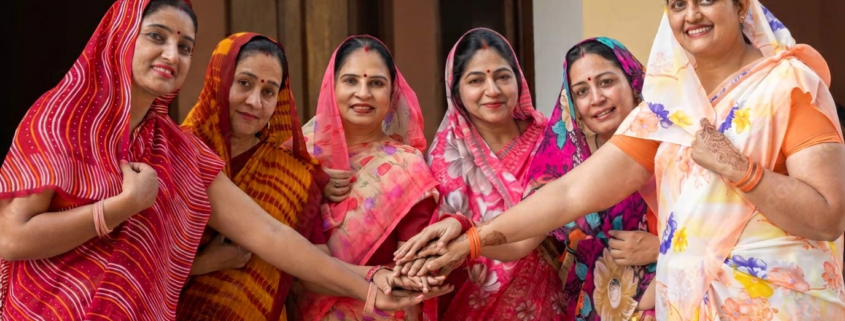
Introduction To Mahila Udyam Nidhi Scheme

Women entrepreneurship has emerged as a major force behind India’s economic growth and social transformation. Across the country, women are successfully establishing businesses in sectors such as manufacturing, retail, services, handicrafts, food processing, technology, and agriculture. Their growing participation in entrepreneurship is not only creating employment opportunities but also contributing significantly to inclusive development.

Despite their capabilities and determination, many aspiring women entrepreneurs still face difficulties in obtaining adequate financial support. Access to credit remains one of the biggest challenges for women who wish to start or expand their businesses. Limited collateral, lack of awareness about financing options, and insufficient access to institutional credit often prevent women from turning their business ideas into successful enterprises.

To address these challenges and promote women-led entrepreneurship, several financial institutions have introduced dedicated schemes for women entrepreneurs. One such important initiative is the Mahila Udyam Nidhi Scheme, which provides financial assistance to women entrepreneurs for setting up new projects, modernization, expansion, and diversification of existing businesses.

The scheme aims to strengthen women’s participation in entrepreneurship by making business financing more accessible and encouraging self-employment and enterprise development.

In this article, we will explore everything about the Mahila Udyam Nidhi Scheme, including its objectives, features, benefits, eligibility criteria, loan facilities, application process, and its role in promoting women entrepreneurship in India.


What is the Mahila Udyam Nidhi Scheme?

The Mahila Udyam Nidhi Scheme (MUNS) is a financial assistance scheme designed to support women entrepreneurs by providing soft loans and credit facilities for establishing and developing small-scale enterprises.

The scheme was introduced by the Small Industries Development Bank of India with the objective of encouraging women-owned businesses and promoting entrepreneurship among women across the country.

The scheme primarily supports:

  • Establishment of new enterprises
  • Expansion of existing businesses
  • Modernization of production facilities
  • Diversification into new products or services
  • Technology upgrades and infrastructure development

The initiative helps reduce financial barriers and enables women to become successful entrepreneurs and job creators.


Why Was the Mahila Udyam Nidhi Scheme Introduced?

Although women are increasingly participating in business activities, they continue to face several obstacles while accessing business finance.

Some common challenges include:

  • Limited access to institutional credit
  • Lack of collateral security
  • Financial dependency
  • Insufficient awareness about business financing
  • Difficulty in obtaining startup capital
  • Limited access to business networks and mentorship

The Mahila Udyam Nidhi Scheme was introduced to bridge these gaps and provide women entrepreneurs with the financial support required to establish and grow their enterprises.

The scheme also aligns with the broader objectives of:

  • Women empowerment
  • Financial inclusion
  • Employment generation
  • MSME development
  • Entrepreneurship promotion
  • Inclusive economic growth

Objectives of the Mahila Udyam Nidhi Scheme

The scheme has several important objectives.

1. Promoting Women Entrepreneurship

The primary objective is to encourage women to establish and manage successful business enterprises.

2. Providing Financial Assistance

The scheme aims to improve access to affordable financing for women entrepreneurs.

3. Supporting Business Expansion

Women-owned enterprises can obtain financial support for modernization, diversification, and expansion activities.

4. Generating Employment Opportunities

Successful women-led enterprises contribute to job creation and local economic development.

5. Promoting Financial Inclusion

The scheme encourages women entrepreneurs to become part of the formal financial ecosystem.

6. Encouraging Self-Reliance

The initiative helps women achieve financial independence and become active contributors to the economy.


Key Features of Mahila Udyam Nidhi Scheme

Financial Assistance for Women Entrepreneurs

The scheme provides soft loans to women entrepreneurs to support:

  • Setting up new projects
  • Expansion of existing businesses
  • Modernization of production units
  • Technology upgrades
  • Diversification into new products and services

Loan Assistance

Under the scheme, eligible women entrepreneurs can avail financial assistance of up to ₹10 lakh, subject to the applicable guidelines and project requirements.

The exact loan amount depends on:

  • Nature of the business
  • Project cost
  • Financial requirements
  • Repayment capacity
  • Lending institution’s policies

Flexible Repayment Period

The scheme generally provides a flexible repayment period, allowing entrepreneurs to repay the loan over several years according to the terms approved by the lending institution.


Support for Small-Scale Industries

The scheme primarily focuses on supporting women involved in:

  • Micro enterprises
  • Small-scale industries
  • Manufacturing units
  • Service enterprises
  • Small business ventures

Encouragement for First-Time Entrepreneurs

The initiative also encourages women who are starting their entrepreneurial journey and require financial support to turn their ideas into successful businesses.


Benefits of Mahila Udyam Nidhi Scheme

1. Easy Access to Finance

Women entrepreneurs can obtain business financing without relying solely on personal savings or informal sources of credit.


2. Financial Independence

The scheme empowers women to establish and manage their own businesses and generate sustainable income.


3. Business Growth Opportunities

Existing businesses can utilize the funds for expansion, modernization, and diversification.


4. Employment Generation

Women-owned enterprises often create employment opportunities for other individuals, particularly in local communities.


5. Increased Confidence and Leadership

Financial support and entrepreneurial success improve confidence and encourage women to become business leaders.


6. Contribution to Economic Development

The growth of women-owned businesses contributes significantly to the country’s economic progress and MSME development.


Who Can Apply for Mahila Udyam Nidhi Scheme?

The scheme primarily targets:

  • Individual women entrepreneurs
  • Women-owned small-scale enterprises
  • Existing women entrepreneurs seeking expansion
  • First-time women business owners
  • Women engaged in manufacturing and service activities

Generally, women should have majority ownership and management control over the enterprise.


Sectors Covered Under the Scheme

The Mahila Udyam Nidhi Scheme supports a broad range of business activities.

Manufacturing Sector

  • Food processing
  • Garment manufacturing
  • Handicrafts
  • Small production units
  • Packaging industries

Service Sector

  • Beauty and wellness businesses
  • Educational services
  • Consultancy services
  • Information technology services
  • Hospitality businesses

Small Business Enterprises

  • Retail businesses
  • Home-based enterprises
  • Professional services
  • Trading activities

Eligibility Criteria for Mahila Udyam Nidhi Scheme

The exact eligibility conditions may vary according to the implementing institution, but generally include:

Gender Requirement

The applicant must be a woman entrepreneur.


Business Ownership

The enterprise should be owned and managed by a woman.


Nature of Enterprise

The applicant should be engaged in or planning to establish an eligible business activity.


Financial Viability

The proposed business project should be financially viable and capable of generating income.


Compliance with Lending Guidelines

Applicants should fulfill all documentation and credit assessment requirements prescribed by the financial institution.


Documents Required for Mahila Udyam Nidhi Scheme

Applicants generally need the following documents:

  • Aadhaar Card
  • PAN Card
  • Identity proof
  • Address proof
  • Passport-size photographs
  • Business plan or project report
  • Business registration documents (if applicable)
  • Income proof
  • Bank account details
  • Quotations for machinery and equipment (if required)

Additional documents may be requested depending on the project and loan amount.


How to Apply for Mahila Udyam Nidhi Scheme

The application process is straightforward and involves the following steps.

Step 1: Prepare a Business Plan

The applicant should prepare a detailed project report explaining:

  • Nature of the business
  • Financial requirements
  • Revenue projections
  • Expansion plans

Step 2: Approach the Lending Institution

Women entrepreneurs can approach participating financial institutions and banks offering the scheme.


Step 3: Submit the Application Form

Provide personal information, business details, and project information.


Step 4: Submit Necessary Documents

Attach all required documents related to identity, business, and financial information.


Step 5: Loan Evaluation

The institution evaluates:

  • Project feasibility
  • Financial viability
  • Creditworthiness
  • Repayment capability

Step 6: Loan Approval and Disbursement

Upon approval, the financial assistance is sanctioned and disbursed according to the terms and conditions.


Challenges Faced by Women Entrepreneurs

Despite various support initiatives, women entrepreneurs still face several challenges.

Lack of Awareness

Many women remain unaware of financing schemes and business support programs.


Limited Financial Literacy

Understanding loan procedures and financial management can be difficult for first-time entrepreneurs.


Market Access Challenges

Small enterprises often struggle to reach larger markets and customers.


Social and Cultural Barriers

Traditional social norms and responsibilities may sometimes limit entrepreneurial participation.

Continuous awareness programs, mentorship, and financial education can help address these challenges.


How Mahila Udyam Nidhi Scheme Supports India’s Vision of Women-Led Development

The Government of India has increasingly emphasized the concept of women-led development, where women become active contributors to economic growth.

The Mahila Udyam Nidhi Scheme contributes to this vision by:

  • Promoting women entrepreneurship
  • Encouraging financial inclusion
  • Supporting MSME development
  • Creating employment opportunities
  • Encouraging self-employment
  • Strengthening local economies

Empowering women entrepreneurs creates a positive impact on families, communities, and the national economy.


How Raiseonic Helps Women Entrepreneurs Understand Government Opportunities

Many women entrepreneurs are unaware of the various government schemes, financial assistance programs, and business funding opportunities available to support their entrepreneurial journey.

At Raiseonic, we simplify government initiatives by providing easy-to-understand guides, practical insights, and expert information on women entrepreneurship schemes, startup funding, MSME support programs, and business financing opportunities.

Whether you are planning to start your first business, expand an existing enterprise, or explore financial assistance options, Raiseonic helps you stay informed and make better business decisions.


Conclusion

The Mahila Udyam Nidhi Scheme is an important initiative that provides financial support and growth opportunities for women entrepreneurs in India. By improving access to business financing and encouraging women-led enterprises, the scheme contributes to financial independence, employment generation, and inclusive economic growth.

As India continues to strengthen its entrepreneurial ecosystem, initiatives like the Mahila Udyam Nidhi Scheme play a crucial role in empowering women to become successful business owners and active contributors to the nation’s economic development.

For the latest updates on government schemes, women entrepreneurship initiatives, business loans, subsidies, and financial assistance programs, stay connected with Raiseonic—your trusted source for simplified government scheme information and guidance.
Introduction To Canara Bank Mahila Vikas Scheme

Women entrepreneurship is playing an increasingly important role in India’s economic growth and social transformation. Across the country, women are successfully managing businesses in sectors such as retail, manufacturing, services, agriculture, handicrafts, and technology. However, despite their capabilities and determination, many women still face challenges in accessing formal credit, securing capital, and obtaining financial support to start or expand their businesses.

Limited financial resources, lack of collateral, and insufficient awareness about business financing options often discourage aspiring women entrepreneurs from pursuing their entrepreneurial dreams. To address these challenges and encourage women-led businesses, several banks and financial institutions have introduced dedicated schemes to support women entrepreneurs.

One such initiative is the Canara Bank Mahila Vikas Scheme, which aims to provide financial assistance and business support to women entrepreneurs by facilitating loans at attractive terms and encouraging self-employment and enterprise development.

The scheme is designed to empower women by helping them establish, expand, and modernize their businesses while promoting financial independence and inclusive economic growth.

In this article, we will explore everything about the Canara Bank Mahila Vikas Scheme, including its objectives, features, benefits, eligibility criteria, loan facilities, application process, and its role in promoting women entrepreneurship in India.


What is the Canara Bank Mahila Vikas Scheme?

The Canara Bank Mahila Vikas Scheme is a financial assistance program offered by Canara Bank to encourage women entrepreneurship and support women-owned enterprises.

The scheme provides credit facilities to women entrepreneurs for starting new businesses, expanding existing enterprises, purchasing equipment, and meeting working capital requirements.

The scheme aims to:

  • Promote self-employment among women
  • Encourage women-led businesses
  • Improve financial inclusion
  • Support micro and small enterprises
  • Strengthen women entrepreneurship in urban and rural areas

Through this initiative, Canara Bank seeks to create opportunities for women to become financially independent and active contributors to economic development.


Why Was the Canara Bank Mahila Vikas Scheme Introduced?

Although women are increasingly entering the business world, many continue to face barriers in obtaining institutional finance.

Some common challenges faced by women entrepreneurs include:

  • Limited access to business loans
  • Lack of collateral security
  • Insufficient awareness of banking products
  • Limited financial literacy
  • Difficulty in obtaining startup capital
  • Restricted access to formal credit systems

The Canara Bank Mahila Vikas Scheme was introduced to address these issues and create a supportive financial environment for women entrepreneurs.

The initiative also aligns with the broader objectives of:

  • Women empowerment
  • Financial inclusion
  • Employment generation
  • Entrepreneurship development
  • Inclusive economic growth
  • Rural and urban enterprise development

Objectives of Canara Bank Mahila Vikas Scheme

The scheme has several important objectives.

1. Promoting Women Entrepreneurship

The primary objective is to encourage women to establish and manage successful business enterprises.

2. Providing Financial Assistance

The scheme facilitates access to credit for business establishment and expansion.

3. Encouraging Self-Employment

Women can create their own income-generating opportunities and become financially independent.

4. Supporting Small Businesses

The scheme strengthens micro and small enterprises owned and managed by women.

5. Promoting Financial Inclusion

The initiative helps bring more women into the formal banking system.

6. Creating Employment Opportunities

Women-led enterprises contribute to job creation and local economic development.


Key Features of Canara Bank Mahila Vikas Scheme

Business Loan Facilities

The scheme provides financial assistance to eligible women entrepreneurs for:

  • Starting a new business
  • Expanding an existing enterprise
  • Purchasing machinery and equipment
  • Meeting working capital requirements
  • Modernizing business operations

The loan amount and terms may vary depending on the nature of the business and the bank’s prevailing guidelines.


Support for Various Business Activities

The scheme supports women entrepreneurs engaged in:

  • Manufacturing activities
  • Trading businesses
  • Service enterprises
  • Agriculture-related businesses
  • Cottage industries
  • Small-scale industries
  • Retail establishments
  • Professional services

Flexible Repayment Options

The scheme generally offers repayment periods that are suitable for business operations and cash flow requirements.


Financial Guidance and Support

Women entrepreneurs may receive assistance regarding:

  • Business planning
  • Project preparation
  • Financial management
  • Credit requirements

This guidance helps women make informed business decisions.


Benefits of Canara Bank Mahila Vikas Scheme

1. Easy Access to Business Finance

The scheme provides women entrepreneurs with access to formal credit facilities that may otherwise be difficult to obtain.


2. Financial Independence

Women can establish their own enterprises and generate sustainable income.


3. Business Expansion Opportunities

Existing businesses can use the financial assistance to grow operations and improve productivity.


4. Employment Generation

Women-owned enterprises create employment opportunities within local communities.


5. Increased Confidence and Leadership

Financial independence improves confidence and encourages women to participate actively in economic and social decision-making.


6. Promotion of Women-Led Development

The scheme contributes to creating an entrepreneurial ecosystem where women become business leaders and job creators.


Who Can Apply for Canara Bank Mahila Vikas Scheme?

The scheme primarily benefits:

  • Individual women entrepreneurs
  • Women-owned micro enterprises
  • Women-owned small businesses
  • Self-employed women professionals
  • Women involved in manufacturing, trading, and service activities

In many cases, women should have a majority ownership and management role in the business enterprise.


Sectors Covered Under the Scheme

The Canara Bank Mahila Vikas Scheme supports various sectors.

Manufacturing Sector

  • Food processing
  • Garment manufacturing
  • Handicrafts
  • Small production units
  • Packaging businesses

Trading Sector

  • Retail stores
  • Wholesale businesses
  • Grocery shops
  • Consumer goods trading

Service Sector

  • Beauty salons
  • Educational services
  • Consultancy services
  • Digital services
  • Hospitality businesses

Agriculture and Allied Activities

  • Dairy farming
  • Poultry farming
  • Food processing
  • Agricultural enterprises

Eligibility Criteria for Canara Bank Mahila Vikas Scheme

Although specific conditions may vary according to the bank’s policies and the type of loan, the general eligibility conditions include:

Gender Requirement

The applicant should be a woman entrepreneur.


Business Ownership

The enterprise should generally be owned and managed by a woman.


Business Activity

The applicant should be engaged in or planning to start an eligible income-generating activity.


Creditworthiness

Applicants should meet the bank’s credit assessment and documentation requirements.


Compliance with Bank Guidelines

The applicant should fulfill all conditions prescribed by Canara Bank for the specific loan product.


Documents Required for Canara Bank Mahila Vikas Scheme

Applicants generally need the following documents:

  • Aadhaar Card
  • PAN Card
  • Identity proof
  • Address proof
  • Passport-size photographs
  • Business plan or project report
  • Business registration documents (if applicable)
  • Bank account details
  • Income proof
  • Quotations for machinery or equipment (if required)

Additional documents may be requested depending on the loan amount and nature of the business.


How to Apply for Canara Bank Mahila Vikas Scheme

The application process is simple and can be completed through Canara Bank branches.

Step 1: Prepare a Business Plan

Applicants should prepare a detailed business proposal that includes:

  • Nature of the business
  • Financial requirements
  • Revenue projections
  • Operational plans

Step 2: Visit the Nearest Canara Bank Branch

Women entrepreneurs can approach their nearest Canara Bank branch and discuss suitable financing options.


Step 3: Submit the Application Form

Provide all required personal and business information.


Step 4: Submit Necessary Documents

Attach all supporting documents for identity verification and business assessment.


Step 5: Loan Assessment

The bank evaluates:

  • Business feasibility
  • Financial requirements
  • Repayment capacity
  • Applicant’s eligibility

Step 6: Loan Sanction and Disbursement

Upon successful approval, the loan amount is sanctioned and disbursed according to the terms and conditions of the bank.


Challenges Faced by Women Entrepreneurs

Despite various financial initiatives, women entrepreneurs still face several challenges.

Lack of Awareness

Many women remain unaware of banking schemes and business financing opportunities.


Limited Financial Literacy

Understanding financial management and loan procedures can be difficult for first-time entrepreneurs.


Market Access Challenges

Small businesses often struggle to access larger markets and customer bases.


Social Barriers

Traditional social norms and family responsibilities may sometimes limit women’s participation in entrepreneurship.

Continued awareness, mentorship, and financial education can help overcome these challenges.


How Canara Bank Mahila Vikas Scheme Supports India’s Vision of Women-Led Development

The Government of India has increasingly emphasized the concept of women-led development, where women become active contributors to economic progress.

The Canara Bank Mahila Vikas Scheme contributes to this vision by:

  • Promoting women entrepreneurship
  • Improving financial inclusion
  • Creating employment opportunities
  • Supporting small enterprises
  • Encouraging self-employment
  • Strengthening local economies

Empowering women entrepreneurs creates long-term economic and social benefits for families and communities.


How Raiseonic Helps Women Entrepreneurs Understand Government and Banking Opportunities

Many women entrepreneurs are unaware of the various financial assistance programs, government schemes, and banking initiatives available to support their businesses.

At Raiseonic, we simplify complex schemes and financial products by providing easy-to-understand guides, practical insights, and expert information on entrepreneurship, startup funding, business loans, and government opportunities.

Whether you are planning to launch your first business, expand an existing enterprise, or explore financial assistance options, Raiseonic helps you stay informed and make confident business decisions.


Conclusion

The Canara Bank Mahila Vikas Scheme is an important initiative that supports women entrepreneurs by providing financial assistance and encouraging self-employment and enterprise development.

By improving access to formal credit and empowering women to establish and expand their businesses, the scheme contributes to financial inclusion, employment generation, and women-led economic growth.

As India continues to promote entrepreneurship and inclusive development, initiatives like the Canara Bank Mahila Vikas Scheme play a vital role in helping women achieve financial independence and become successful business leaders.

For the latest updates on government schemes, business loans, women entrepreneurship initiatives, subsidies, and financial assistance programs, stay connected with Raiseonic—your trusted source for simplified government scheme information and guidance.

Introduction To Udyogini Scheme

Women entrepreneurship has emerged as one of the strongest drivers of economic growth and social development in India. From running small businesses and home-based enterprises to leading startups and manufacturing units, women are increasingly becoming active contributors to the country’s economy. However, despite their potential and determination, many aspiring women entrepreneurs continue to face significant challenges, particularly in accessing finance, business training, and entrepreneurial support.

Lack of capital often prevents talented women from turning their business ideas into reality. Many women, especially those from economically weaker sections and rural areas, struggle to obtain formal loans due to limited collateral, insufficient financial literacy, or lack of awareness about government support programs.

To address these challenges and encourage women-led entrepreneurship, the Government introduced the Udyogini Scheme. The scheme aims to empower women by providing financial assistance, subsidized loans, and entrepreneurial support to help them establish and expand small businesses.

The Udyogini Scheme is a significant initiative that promotes financial independence, self-employment, and economic empowerment among women, particularly those belonging to underprivileged sections of society.

In this article, we will explore everything about the Udyogini Scheme, including its objectives, benefits, eligibility criteria, loan features, application process, and its role in strengthening women entrepreneurship in India.


What is the Udyogini Scheme?

The Udyogini Scheme is a women entrepreneurship development initiative designed to provide financial support to women who wish to start or expand their businesses. The scheme focuses on promoting self-employment opportunities by offering loans, subsidies, and support services to women entrepreneurs.

The primary objective of the scheme is to encourage women to become financially independent and create sustainable livelihoods through small business ventures.

The scheme particularly benefits:

  • Women from economically weaker sections
  • Rural women entrepreneurs
  • Women belonging to Scheduled Castes (SC) and Scheduled Tribes (ST)
  • Widows and differently-abled women
  • First-time entrepreneurs
  • Women engaged in micro and small enterprises

By reducing financial barriers, the scheme helps women participate more actively in economic activities and contribute to family and community development.


Why Was the Udyogini Scheme Introduced?

Although women possess immense entrepreneurial potential, many face difficulties in obtaining business financing and technical support.

Some common challenges include:

  • Limited access to institutional credit
  • Lack of collateral for loans
  • Financial dependency
  • Low awareness about business opportunities
  • Limited entrepreneurial skills
  • Restricted access to markets and business networks

The Udyogini Scheme was introduced to address these issues and create an enabling environment where women can confidently start and manage their own enterprises.

The scheme also aligns with the government’s broader vision of:

  • Women empowerment
  • Financial inclusion
  • Employment generation
  • Poverty reduction
  • Rural development
  • Inclusive economic growth

Objectives of the Udyogini Scheme

The scheme has several important objectives.

1. Promoting Women Entrepreneurship

The primary objective is to encourage women to become entrepreneurs and establish their own businesses.

2. Providing Financial Assistance

The scheme facilitates access to affordable credit and financial support.

3. Encouraging Self-Employment

Women can create their own livelihood opportunities and become financially independent.

4. Reducing Poverty

By increasing income-generating opportunities, the scheme contributes to poverty reduction and economic stability.

5. Strengthening Financial Inclusion

The initiative encourages women to become part of the formal financial system.

6. Supporting Rural Development

The scheme promotes entrepreneurship in rural and semi-urban areas, contributing to local economic growth.


Key Features of the Udyogini Scheme

Financial Assistance for Women Entrepreneurs

One of the biggest advantages of the Udyogini Scheme is that it provides financial support to women who wish to start small businesses.

The assistance may include:

  • Business loans
  • Subsidized credit
  • Entrepreneurship support
  • Financial guidance

The exact loan amount and subsidy benefits may vary according to implementing agencies and applicable guidelines.


Support for Multiple Business Activities

The scheme supports a wide variety of small and micro-enterprises, including:

  • Tailoring and garment making
  • Beauty parlors
  • Food processing
  • Dairy farming
  • Retail stores
  • Handicrafts
  • Small manufacturing units
  • Agricultural allied activities
  • Service-based businesses

This flexibility allows women to choose businesses according to their skills and local market demand.


Special Focus on Economically Weaker Women

The scheme particularly aims to support women from:

  • Low-income families
  • Rural communities
  • Scheduled Castes (SC)
  • Scheduled Tribes (ST)
  • Differently-abled categories
  • Widowed women

Entrepreneurship Development

In addition to financial assistance, women may also receive:

  • Business guidance
  • Skill development support
  • Financial literacy
  • Entrepreneurial training

These services help women establish and manage sustainable enterprises.


Benefits of Udyogini Scheme

1. Financial Independence

The scheme empowers women to generate their own income and become financially self-reliant.


2. Employment Generation

Women-led enterprises often create employment opportunities for others within their communities.


3. Improved Standard of Living

Higher income enables women and their families to spend more on:

  • Education
  • Healthcare
  • Housing
  • Nutrition
  • Savings and investments

4. Encouragement for First-Time Entrepreneurs

The scheme provides an opportunity for women who wish to start their entrepreneurial journey but lack financial resources.


5. Reduction in Economic Dependency

Women can contribute to household income and participate more actively in financial decision-making.


6. Promotion of Inclusive Growth

The initiative helps ensure that women from underserved communities have access to economic opportunities.


Eligibility Criteria for Udyogini Scheme

The eligibility conditions may vary slightly depending on the implementing authority, but generally include:

Gender Requirement

The applicant must be a woman.


Age Criteria

Women between certain age groups, generally ranging from 18 to 55 years, may be eligible depending on the specific guidelines.


Income Criteria

Preference is often given to women belonging to economically weaker sections or those meeting prescribed income limits.


Business Requirement

The applicant should intend to establish or expand a small business or self-employment activity.


Priority Categories

Special preference may be provided to:

  • Widows
  • Differently-abled women
  • SC/ST women
  • Women from rural areas
  • Women from low-income families

Sectors Covered Under the Udyogini Scheme

The scheme supports a broad range of income-generating activities.

Manufacturing Activities

  • Tailoring units
  • Handicrafts
  • Food processing
  • Small production units

Service Sector Activities

  • Beauty parlors
  • Tuition centers
  • Catering services
  • Digital services

Trading Activities

  • Grocery shops
  • Retail businesses
  • Small commercial establishments

Agriculture and Allied Activities

  • Dairy farming
  • Poultry farming
  • Goat rearing
  • Floriculture
  • Nursery businesses

Documents Required for Udyogini Scheme

Applicants generally need the following documents:

  • Aadhaar Card
  • PAN Card
  • Identity proof
  • Address proof
  • Income certificate
  • Caste certificate (if applicable)
  • Business plan or project report
  • Bank account details
  • Passport-size photographs

Additional documents may be required depending on the implementing institution.


How to Apply for Udyogini Scheme

The application process is generally simple and accessible.

Step 1: Verify Eligibility

Applicants should confirm that they meet the eligibility conditions prescribed under the scheme.


Step 2: Prepare a Business Proposal

A simple project report or business plan outlining the proposed business activity and financial requirements may be required.


Step 3: Approach the Implementing Institution

Applications can generally be submitted through:

  • Participating banks
  • State women development corporations
  • Government agencies
  • Authorized financial institutions

Step 4: Submit Documents

Provide all necessary identity, income, and business-related documents.


Step 5: Verification and Approval

The concerned authority evaluates the application and approves eligible cases.


Step 6: Loan Sanction and Disbursement

Upon approval, the financial assistance is released according to the applicable guidelines.


Challenges Faced by Women Entrepreneurs

Despite various support schemes, women entrepreneurs continue to face certain challenges.

Limited Financial Awareness

Many women are unaware of government schemes and financing opportunities.


Lack of Business Training

Entrepreneurial success often requires skills in marketing, finance, and business management.


Limited Market Access

Small businesses sometimes struggle to reach larger markets and customers.


Social and Cultural Barriers

In some areas, traditional social norms may limit women’s participation in entrepreneurial activities.

Continued awareness campaigns, mentorship, and capacity-building initiatives can help overcome these barriers.


How Udyogini Scheme Supports India’s Vision of Women-Led Development

The Government of India has increasingly emphasized the idea of women-led development, where women become active participants in economic growth.

The Udyogini Scheme contributes to this vision by:

  • Promoting women entrepreneurship
  • Increasing financial inclusion
  • Creating self-employment opportunities
  • Strengthening rural economies
  • Reducing poverty
  • Encouraging economic independence

Empowering women entrepreneurs creates a multiplier effect that benefits families, communities, and the nation.


How Raiseonic Helps Women Entrepreneurs Understand Government Opportunities

Many women remain unaware of the various government schemes and financial assistance programs available for entrepreneurship and self-employment.

At Raiseonic, we simplify complex government initiatives by providing easy-to-understand guides, expert insights, and regular updates on women empowerment schemes, startup funding opportunities, business loans, subsidies, and entrepreneurship programs.

Whether you are planning to start your first business, expand an existing enterprise, or explore government support programs, Raiseonic helps you stay informed and make better business decisions.


Conclusion

The Udyogini Scheme is an important initiative that promotes women entrepreneurship and financial independence by providing access to business financing and self-employment opportunities.

By reducing financial barriers and encouraging entrepreneurship among women, particularly those from economically weaker sections, the scheme contributes to inclusive growth and women-led development.

As India continues to strengthen its entrepreneurial ecosystem, initiatives like the Udyogini Scheme play a vital role in creating opportunities for women to become successful entrepreneurs, job creators, and leaders of economic transformation.

For the latest updates on government schemes, women entrepreneurship initiatives, business loans, subsidies, and financial assistance programs, stay connected with Raiseonic—your trusted source for simplified government scheme information and guidance.