Introduction To Stand-Up India Scheme

Entrepreneurship plays a crucial role in driving economic growth, creating employment opportunities, and fostering innovation. In India, the startup ecosystem has expanded rapidly over the last decade, with thousands of individuals turning their ideas into successful businesses. However, access to finance remains one of the biggest challenges for aspiring entrepreneurs, particularly women and individuals belonging to Scheduled Castes (SC) and Scheduled Tribes (ST).

Many talented entrepreneurs struggle to start or expand their businesses due to insufficient capital, lack of collateral, and limited access to formal credit. Recognizing these challenges, the Government of India launched the Stand-Up India Scheme to promote entrepreneurship among underrepresented sections of society.

The scheme aims to facilitate bank loans to women entrepreneurs and SC/ST entrepreneurs for establishing greenfield enterprises in manufacturing, services, trading, and allied agricultural sectors. By improving access to finance and providing handholding support, the initiative seeks to create a more inclusive entrepreneurial ecosystem and encourage self-employment across the country.

In this article, we will explore everything about the Stand-Up India Scheme, including its objectives, benefits, eligibility criteria, loan features, application process, and its role in strengthening India’s startup and MSME ecosystem.


What is the Stand-Up India Scheme?

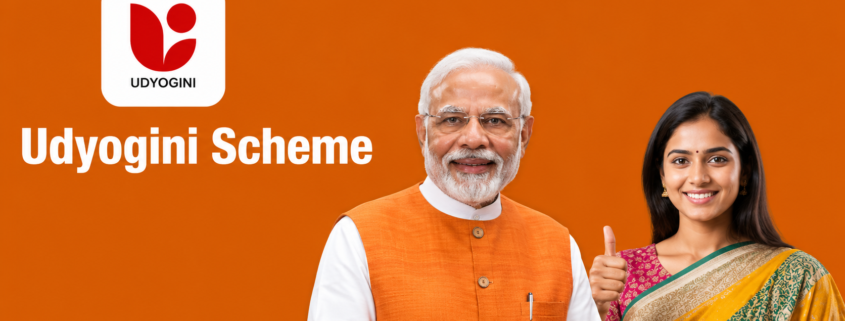
The Stand-Up India Scheme was launched by the Government of India on 5 April 2016 with the objective of promoting entrepreneurship among women and SC/ST communities.

Under the scheme, every scheduled commercial bank branch is encouraged to provide loans to at least:

  • One Scheduled Caste (SC) or Scheduled Tribe (ST) borrower, and
  • One woman entrepreneur.

The scheme facilitates bank loans ranging from ₹10 lakh to ₹1 crore for setting up greenfield enterprises, meaning new businesses that are being established for the first time.

The initiative is implemented by the Department of Financial Services, Ministry of Finance, and supported through the Stand-Up India portal and various handholding agencies.


Why Was the Stand-Up India Scheme Introduced?

Despite significant economic progress, women and entrepreneurs from SC/ST communities often face barriers when trying to establish businesses.

Some common challenges include:

  • Limited access to institutional credit
  • Lack of collateral for obtaining loans
  • Limited financial literacy
  • Lack of mentorship and business guidance
  • Difficulty in preparing business plans
  • Lower participation in entrepreneurship activities

The Stand-Up India Scheme was introduced to bridge these gaps and create opportunities for aspiring entrepreneurs who may otherwise struggle to access formal financing.

The scheme also aligns with the government’s vision of:

  • Inclusive economic growth
  • Financial empowerment
  • Job creation
  • Women-led development
  • Promotion of entrepreneurship among marginalized communities

Objectives of the Stand-Up India Scheme

The scheme has several important objectives.

1. Promoting Entrepreneurship

The primary objective is to encourage entrepreneurship among women and SC/ST communities.

2. Improving Access to Finance

The scheme facilitates easier access to bank loans for establishing new enterprises.

3. Creating Employment Opportunities

New businesses established under the scheme contribute to job creation and economic development.

4. Supporting Financial Inclusion

The initiative helps bring more entrepreneurs into the formal banking and financial system.

5. Strengthening the MSME Ecosystem

The scheme encourages the growth of micro, small, and medium enterprises across India.


Key Features of the Stand-Up India Scheme

Loan Amount

Eligible entrepreneurs can obtain loans ranging from:

₹10 lakh to ₹1 crore

The loan amount depends on the nature, scale, and financial requirements of the proposed business.


Greenfield Enterprise Requirement

The scheme supports only greenfield projects, meaning the business should be a new venture and not an existing enterprise.

The applicant should be entering the business activity for the first time.


Composite Loan Facility

The loan includes both:

  • Term loan
  • Working capital component

This helps entrepreneurs meet both setup and operational expenses.


Margin Money Requirement

The borrower may be required to contribute a certain percentage of the project cost as margin money. Government schemes and subsidies can sometimes be used to meet part of this requirement, subject to applicable guidelines.


Repayment Period

The repayment period can extend up to 7 years, with a possible moratorium period as per bank policies and scheme guidelines.


Credit Guarantee Support

Loans under the scheme may be covered under the Credit Guarantee Fund for Stand-Up India Scheme (CGFSI), reducing the risk for lending institutions.


Eligibility Criteria for Stand-Up India Scheme

To avail benefits under the scheme, applicants must fulfill certain conditions.

For Individual Entrepreneurs

The applicant must be:

  • A woman entrepreneur, or
  • A Scheduled Caste (SC) entrepreneur, or
  • A Scheduled Tribe (ST) entrepreneur.

Age Requirement

The applicant should generally be:

18 years or above.


Greenfield Enterprise

The business should be a new enterprise and should not have been previously established by the applicant.


Non-Individual Enterprises

In the case of partnerships or companies:

  • At least 51% of the shareholding and controlling stake must be held by a woman or SC/ST entrepreneur.

Credit History

Applicants should not be in default with any bank or financial institution.


Sectors Covered Under the Scheme

The Stand-Up India Scheme supports greenfield enterprises in the following sectors:

Manufacturing

Businesses involved in producing goods and products.


Services

Service-based enterprises such as education, healthcare, consultancy, hospitality, and technology services.


Trading

Businesses involved in buying and selling goods.


Allied Agricultural Activities

Certain activities related to agriculture and rural enterprises may also be covered under the scheme.


Benefits of Stand-Up India Scheme

1. Access to Formal Credit

The scheme enables aspiring entrepreneurs to access institutional financing that may otherwise be difficult to obtain.


2. Encouragement for First-Time Entrepreneurs

The focus on greenfield enterprises encourages new entrepreneurs to pursue their business ideas.


3. Women Empowerment

The initiative significantly promotes women entrepreneurship and economic participation.


4. Social Inclusion

By focusing on SC/ST entrepreneurs, the scheme contributes to inclusive economic development.


5. Employment Generation

Businesses established under the scheme create jobs and contribute to local economic growth.


6. Entrepreneurial Ecosystem Development

The scheme strengthens India’s startup and MSME ecosystem by increasing the number of formal enterprises.


Handholding Support Under Stand-Up India

One of the unique features of the scheme is the availability of handholding support.

Entrepreneurs may receive assistance in:

  • Preparing project reports
  • Skill development and training
  • Financial literacy
  • Registration processes
  • Market linkages
  • Business guidance and mentorship

This support is particularly valuable for first-time business owners.


Documents Required for Stand-Up India Scheme

Applicants generally require:

  • Aadhaar Card
  • PAN Card
  • Identity proof
  • Address proof
  • Caste certificate (for SC/ST applicants)
  • Business plan or project report
  • Bank account details
  • Educational qualifications (if applicable)
  • Financial statements and estimates
  • Additional documents requested by the lending institution

Document requirements may vary depending on the bank and nature of the business.


How to Apply for Stand-Up India Scheme

The application process can be completed online or through participating banks.

Step 1: Prepare a Business Plan

Applicants should prepare a clear project report outlining:

  • Business idea
  • Investment requirements
  • Revenue projections
  • Operational plans

Step 2: Visit the Stand-Up India Portal or Bank

Applicants can approach:

  • Scheduled commercial banks
  • Stand-Up India portal
  • Lead district offices
  • Entrepreneurship support agencies

Step 3: Submit the Application

Provide personal details, business information, and upload the required documents.


Step 4: Loan Assessment

The bank evaluates:

  • Project feasibility
  • Applicant eligibility
  • Financial requirements
  • Repayment capacity

Step 5: Loan Sanction and Disbursement

Upon approval, the loan amount is sanctioned and disbursed according to the project requirements.


Challenges Faced by Entrepreneurs

Although the scheme has created numerous opportunities, some challenges still exist.

Lack of Awareness

Many eligible entrepreneurs remain unaware of the scheme and its benefits.


Business Planning Difficulties

First-time entrepreneurs may struggle to prepare project reports and financial estimates.


Market Competition

New businesses often face challenges related to market access and customer acquisition.


Financial Management

Managing cash flow and business finances requires continuous learning and support.

Increasing awareness, mentorship, and training can further strengthen the impact of the scheme.


How Stand-Up India Supports India’s Vision of Inclusive Growth

The Stand-Up India Scheme is a major step toward creating an inclusive and equitable entrepreneurial ecosystem.

The scheme contributes by:

  • Promoting women-led development
  • Supporting marginalized communities
  • Creating employment opportunities
  • Strengthening MSMEs
  • Encouraging self-employment
  • Expanding financial inclusion
  • Driving local economic growth

By empowering aspiring entrepreneurs, the scheme helps transform innovative ideas into sustainable enterprises.


How Raiseonic Helps Entrepreneurs Understand Government Opportunities

Government schemes often involve multiple eligibility conditions, documentation requirements, and application procedures that can be difficult to understand.

At Raiseonic, we simplify government initiatives by providing easy-to-understand guides, practical insights, and expert information on startup schemes, business funding, subsidies, loans, and entrepreneurship opportunities.

Whether you are planning to launch your first business, expand an existing enterprise, or explore government support programs, Raiseonic helps you stay informed and make better business decisions.


Conclusion

The Stand-Up India Scheme is a transformative initiative that aims to empower women and SC/ST entrepreneurs by improving access to formal financing and promoting entrepreneurship.

By providing loans ranging from ₹10 lakh to ₹1 crore, along with handholding support and credit guarantee mechanisms, the scheme has created opportunities for thousands of aspiring entrepreneurs to establish and grow their businesses.

As India continues to build a strong startup and MSME ecosystem, initiatives like Stand-Up India play a vital role in ensuring that economic growth is inclusive and accessible to all sections of society.

For the latest updates on government schemes, startup funding opportunities, subsidies, business loans, and entrepreneurship initiatives, stay connected with Raiseonic—your trusted source for simplified government scheme information and guidance.
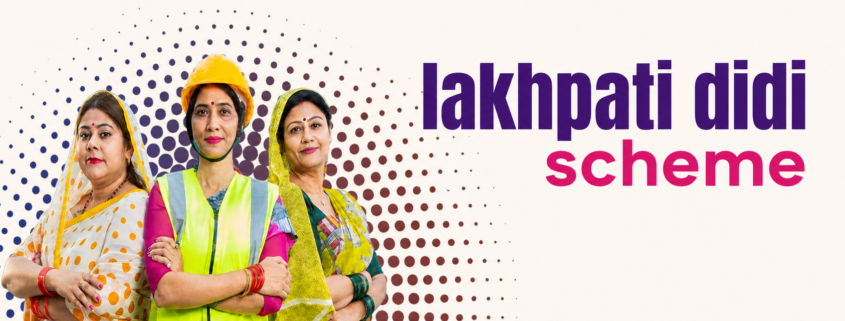
Introduction To Lakhpati Didi Scheme

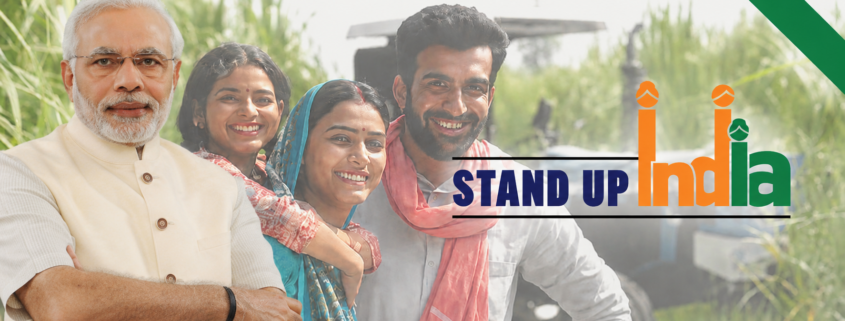
Women empowerment has emerged as one of the most important drivers of India’s economic and social development. Across the country, millions of women are contributing to their families and communities through agriculture, handicrafts, small businesses, and self-employment activities. However, despite their potential and hard work, many women in rural areas still face challenges such as limited income opportunities, lack of access to finance, insufficient skill development, and restricted market exposure.

Recognizing the need to economically empower women and promote entrepreneurship at the grassroots level, the Government of India launched the Lakhpati Didi Scheme. The initiative aims to help women associated with Self-Help Groups (SHGs) increase their annual income and become financially independent by earning at least ₹1 lakh per year through sustainable livelihood activities.

The scheme is more than just a financial assistance program—it is a nationwide movement to transform rural women into successful entrepreneurs, business owners, and community leaders. Through skill development, financial literacy, access to credit, and entrepreneurship opportunities, the Lakhpati Didi Scheme is creating pathways for millions of women to improve their standard of living and contribute to India’s economic growth.

In this article, we will explore everything about the Lakhpati Didi Scheme, including its objectives, features, benefits, eligibility criteria, implementation process, and its role in promoting women-led development in India.


What is the Lakhpati Didi Scheme?

The Lakhpati Didi Scheme is an initiative of the Government of India aimed at helping women members of Self-Help Groups (SHGs) achieve sustainable annual incomes of ₹1 lakh or more through entrepreneurship and livelihood activities.

The scheme operates under the broader framework of the Deendayal Antyodaya Yojana – National Rural Livelihoods Mission (DAY-NRLM), which focuses on poverty reduction and women empowerment by strengthening Self-Help Groups across rural India.

The term “Lakhpati Didi” refers to women who have successfully achieved an annual household income of at least ₹1 lakh through income-generating activities and entrepreneurial initiatives.

The government has set an ambitious target of creating crores of Lakhpati Didis across the country by empowering rural women through skill development, financial inclusion, and business opportunities.


Why Was the Lakhpati Didi Scheme Introduced?

Although millions of women are associated with Self-Help Groups, many continue to earn modest incomes due to limited access to resources, markets, and entrepreneurial opportunities.

Some of the major challenges faced by rural women include:

  • Limited access to formal finance and credit
  • Lack of business training and financial literacy
  • Dependence on seasonal or low-income activities
  • Limited market exposure
  • Lack of awareness about government support schemes
  • Insufficient opportunities for skill development

The Lakhpati Didi Scheme was introduced to address these challenges and create an ecosystem where women can become financially independent and self-reliant.

The initiative aligns with the government’s vision of women-led development, rural entrepreneurship, and inclusive economic growth.


Objectives of the Lakhpati Didi Scheme

The scheme has several important objectives.

1. Increasing Women’s Income

The primary objective is to help women earn an annual income of at least ₹1 lakh through sustainable livelihood activities.

2. Promoting Women Entrepreneurship

The scheme encourages women to establish and expand micro-enterprises and small businesses.

3. Strengthening Self-Help Groups

The initiative aims to make SHGs economically stronger and more self-sufficient.

4. Promoting Financial Inclusion

The scheme helps women gain access to banking services, credit facilities, and financial literacy.

5. Generating Rural Employment

By supporting women-led enterprises, the scheme creates employment opportunities within rural communities.

6. Encouraging Skill Development

Women receive training and guidance to improve their business, technical, and managerial capabilities.


Key Features of Lakhpati Didi Scheme

Skill Development and Training

One of the most important aspects of the scheme is providing women with skill training that helps them start and manage income-generating activities.

Training may include:

  • Entrepreneurship development
  • Financial literacy
  • Business planning
  • Digital literacy
  • Marketing techniques
  • Product packaging and branding
  • Customer management

The goal is to equip women with the knowledge required to build sustainable businesses.


Financial Support and Access to Credit

The scheme facilitates easier access to:

  • Bank loans
  • Microfinance support
  • Government assistance programs
  • SHG credit facilities

Financial access enables women to start or expand their businesses without significant financial barriers.


Promotion of Diverse Livelihood Activities

Women under the scheme are encouraged to engage in various income-generating activities, including:

  • Agriculture and allied activities
  • Dairy farming
  • Poultry farming
  • Food processing
  • Handicrafts
  • Tailoring and garment manufacturing
  • Retail businesses
  • Digital services
  • Small manufacturing enterprises

This diversification helps reduce dependency on a single source of income.


Encouragement of Entrepreneurship

The scheme promotes entrepreneurship by encouraging women to become business owners rather than only wage earners.

Women are supported in identifying local business opportunities and creating sustainable enterprises.


Community-Based Development

The initiative uses the strong network of Self-Help Groups to create community-driven economic development and peer support.


Benefits of Lakhpati Didi Scheme

1. Financial Independence

The scheme enables women to become financially self-reliant and improve their household incomes.


2. Better Standard of Living

Higher income allows families to spend more on:

  • Education
  • Healthcare
  • Nutrition
  • Housing
  • Savings and investments

3. Increased Confidence and Decision-Making Power

Financial independence improves women’s confidence and strengthens their participation in family and community decisions.


4. Employment Generation

Women-led enterprises often create employment opportunities for other women in the community.


5. Reduction in Rural Poverty

Increased household income contributes to poverty reduction and improved economic stability.


6. Promotion of Women-Led Development

The scheme positions women as active contributors to India’s economic progress.


Who Can Benefit from the Lakhpati Didi Scheme?

The scheme primarily targets:

  • Women associated with Self-Help Groups (SHGs)
  • Rural women seeking income-generating opportunities
  • Women interested in entrepreneurship
  • Existing women entrepreneurs looking to expand their businesses
  • Women involved in agriculture and allied activities
  • Women engaged in traditional skills and local crafts

The initiative particularly focuses on economically weaker sections and underserved rural communities.


Role of Self-Help Groups (SHGs) in the Scheme

Self-Help Groups are at the heart of the Lakhpati Didi Scheme.

SHGs help by:

  • Identifying potential women entrepreneurs
  • Facilitating access to credit
  • Providing peer support and mentoring
  • Encouraging savings and financial discipline
  • Promoting group-based enterprises
  • Creating market linkages

The collective strength of SHGs has played a major role in empowering women and reducing poverty in rural India.


How Women Can Become a Lakhpati Didi

The journey to becoming a Lakhpati Didi generally involves several steps:

Step 1: Join a Self-Help Group

Women become members of local SHGs and participate in group savings and activities.

Step 2: Undergo Training

Participants receive skill development and entrepreneurship training.

Step 3: Identify a Livelihood Activity

Women select suitable business opportunities based on their interests, skills, and local market demand.

Step 4: Access Financial Support

Eligible women can obtain credit and financial assistance to start or expand their businesses.

Step 5: Scale Income Activities

By increasing productivity and improving market access, women can gradually achieve annual incomes of ₹1 lakh or more.


Examples of Income-Generating Activities Under the Scheme

Women can pursue multiple livelihood opportunities, including:

  • Dairy farming
  • Goat rearing
  • Poultry farming
  • Mushroom cultivation
  • Food processing units
  • Beauty and wellness services
  • Tailoring and embroidery
  • Handicrafts and home décor products
  • Digital service centers
  • Retail stores
  • Agricultural input services

The scheme encourages women to explore activities that are sustainable and locally viable.


Challenges Faced by Rural Women Entrepreneurs

Despite the opportunities created by the scheme, certain challenges remain.

Limited Market Access

Many women struggle to find customers outside their local communities.

Financial Literacy Gaps

Understanding loans, investments, and business management can be difficult without proper guidance.

Digital Divide

Some women require additional support in using digital tools and online platforms.

Social Barriers

Traditional social norms can sometimes limit women’s participation in business activities.

Continuous training, awareness campaigns, and mentorship programs are helping address these challenges.


How Lakhpati Didi Scheme Supports India’s Vision of Women-Led Development

The Government of India has emphasized the idea of women-led development, where women become active leaders of economic growth.

The Lakhpati Didi Scheme contributes to this vision by:

  • Creating women entrepreneurs
  • Increasing household incomes
  • Promoting financial inclusion
  • Encouraging rural enterprises
  • Supporting skill development
  • Generating employment opportunities
  • Strengthening Self-Help Groups

The initiative demonstrates how empowering women can accelerate social and economic development.


How Raiseonic Helps Women Understand Government Opportunities

Many women are unaware of the numerous government schemes and opportunities available for entrepreneurship, financial assistance, and skill development.

At Raiseonic, we simplify complex government initiatives through easy-to-understand articles, expert insights, and practical guides. Our mission is to help women, entrepreneurs, startups, and businesses discover opportunities that can improve their lives and accelerate their growth.

Whether you are looking for women empowerment schemes, startup support, subsidies, loans, or business opportunities, Raiseonic helps you stay informed and make better decisions.


Conclusion

The Lakhpati Didi Scheme is a transformative initiative that aims to make millions of rural women financially independent and economically empowered. By promoting entrepreneurship, improving access to finance, and strengthening Self-Help Groups, the scheme is creating sustainable income opportunities across rural India.

The initiative is not just about increasing income—it is about building confidence, promoting leadership, and enabling women to become active contributors to the nation’s growth story.

As India moves toward a future of inclusive and women-led development, the Lakhpati Didi Scheme stands as a powerful example of how empowering women can transform families, communities, and the economy.

For the latest updates on government schemes, women entrepreneurship initiatives, financial assistance programs, and business opportunities, stay connected with Raiseonic—your trusted source for simplified government scheme information and guidance.
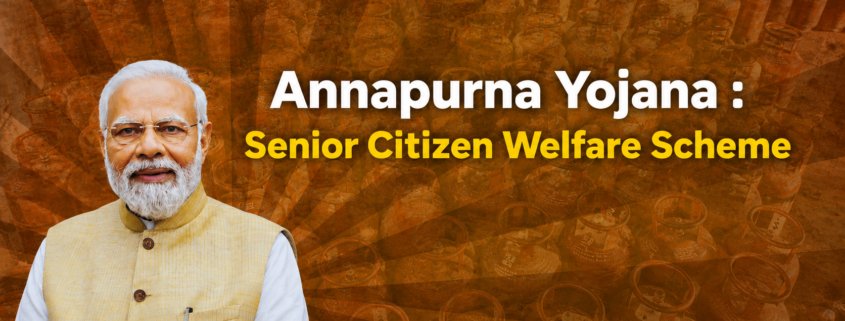
Introduction To Annapurna Yojana

Food security is one of the most fundamental necessities for a healthy and dignified life. However, a significant number of elderly citizens in India, especially those living below the poverty line and without adequate family support, face challenges in accessing regular and nutritious food. Old age often brings financial dependency, health issues, and reduced earning capacity, making it difficult for many senior citizens to meet their basic needs.

Recognizing this challenge, the Government of India launched the Annapurna Yojana to provide food support to elderly citizens who are unable to secure their daily nutritional requirements. The scheme acts as a social safety net for vulnerable senior citizens by providing free food grains and helping them live with greater dignity and security.

Annapurna Yojana is an important step toward strengthening India’s social welfare system and ensuring that no elderly person suffers from hunger due to financial hardship. It complements other old-age welfare schemes and reflects the government’s commitment to protecting the rights and well-being of senior citizens.

In this article, we will understand everything about Annapurna Yojana, including its objectives, benefits, eligibility criteria, application process, implementation, and its role in improving the lives of elderly citizens.

What is Annapurna Yojana?

Annapurna Yojana is a social welfare scheme introduced by the Government of India under the Ministry of Rural Development. It was launched on 1st April 2000 with the objective of providing free food grains to eligible senior citizens who are unable to receive benefits under the National Old Age Pension Scheme (NOAPS).

Under the scheme, eligible elderly citizens receive 10 kilograms of food grains per month free of cost. The primary purpose of this support is to ensure food security for senior citizens who have no regular source of income and are unable to afford their basic nutritional needs.

The scheme mainly targets older persons who are economically vulnerable and are not covered under pension assistance despite being eligible for old-age welfare support.

Why Was Annapurna Yojana Introduced?

India has a large population of elderly citizens, many of whom live in financially difficult circumstances. With increasing age, the ability to work and earn decreases, and many senior citizens become dependent on their families or society for support.

While pension schemes provide financial assistance to many elderly individuals, some eligible citizens remain outside the pension system due to limited availability of pension slots, administrative delays, or other reasons. Such individuals are at a greater risk of hunger and malnutrition.

Annapurna Yojana was introduced to bridge this gap by ensuring that elderly citizens who are unable to receive old-age pensions still receive basic food support from the government.

The scheme reflects the principle that every citizen deserves access to food and a life of dignity, irrespective of their economic condition or age.

Objectives of Annapurna Yojana

The Annapurna Yojana has several important objectives aimed at improving the quality of life of elderly citizens.

1. Ensuring Food Security

The primary objective of the scheme is to provide a minimum quantity of food grains to economically disadvantaged senior citizens so that they do not suffer from hunger.

2. Supporting Vulnerable Elderly Citizens

The scheme focuses on elderly people who do not have a reliable source of income or adequate financial support.

3. Reducing Hunger and Malnutrition

By providing regular food grains, Annapurna Yojana helps reduce the risk of hunger and nutritional deficiencies among poor senior citizens.

4. Promoting Social Welfare

The scheme strengthens the government’s social security network by extending assistance to individuals who are often the most vulnerable members of society.

5. Providing Dignity in Old Age

Access to basic necessities like food allows senior citizens to live with greater independence, self-respect, and dignity.

Key Features of Annapurna Yojana

The scheme includes several features that make it a crucial welfare initiative for elderly citizens.

Free Food Grain Assistance

Eligible beneficiaries receive 10 kilograms of food grains every month free of cost. The food grains are generally provided through the Public Distribution System (PDS).

Central Government Initiative

The scheme was introduced by the Government of India and is implemented with the support of state governments and local administrative authorities.

Targeted Support

Annapurna Yojana specifically targets elderly citizens who are eligible for old-age pension benefits but are not receiving pension support.

Focus on Rural and Economically Weaker Sections

The scheme primarily benefits senior citizens belonging to poor households, especially those living in rural areas with limited financial resources.

Simple Benefit Structure

Unlike schemes that involve complex financial transactions, Annapurna Yojana directly provides food grains, ensuring that beneficiaries receive immediate support for their nutritional needs.

Benefits of Annapurna Yojana

1. Protection Against Hunger

The biggest benefit of Annapurna Yojana is that it protects vulnerable elderly citizens from hunger by guaranteeing a minimum supply of food grains.

2. Financial Relief

Since beneficiaries receive food grains free of cost, they can reduce their monthly household expenses and use their limited income for other necessities such as healthcare and medicines.

3. Better Nutrition and Health

Regular access to food contributes to better nutrition and supports the overall health and well-being of senior citizens.

4. Improved Quality of Life

The scheme provides a sense of security and reduces the uncertainty faced by elderly individuals regarding their daily food requirements.

5. Social Inclusion

Annapurna Yojana ensures that elderly citizens who are left out of pension schemes are not neglected and continue to receive government support.

Eligibility Criteria for Annapurna Yojana

To receive benefits under the Annapurna Yojana, applicants must meet certain eligibility requirements.

Age Requirement

The applicant must be 65 years of age or above.

Economic Condition

The applicant should belong to a financially weaker section and generally be identified under the criteria prescribed by the respective government authorities.

Pension Status

The most important condition is that the individual should be eligible for the National Old Age Pension Scheme but should not be receiving pension benefits under that scheme.

Residency

The applicant must be a resident of the concerned state or union territory where the application is submitted.

Since implementation guidelines may vary across states, applicants should verify specific requirements with local authorities.

How to Apply for Annapurna Yojana

The application process for Annapurna Yojana is generally managed by state governments and local administrative offices.

Step 1: Contact the Local Authorities

Eligible applicants can visit the nearest Gram Panchayat office, Block Development Office, or local social welfare department to obtain information about the scheme.

Step 2: Collect the Application Form

Applicants need to collect and fill out the Annapurna Yojana application form provided by the concerned authority.

Step 3: Submit Required Documents

Common documents that may be required include:

  • Age proof such as Aadhaar card, birth certificate, or other valid documents
  • Address proof
  • Identity proof
  • Proof of eligibility for old-age pension
  • Passport-size photographs
  • Any additional documents requested by the local authority

Step 4: Verification Process

Government officials verify the applicant’s eligibility, documents, and financial status before approving the benefits.

Step 5: Distribution of Food Grains

Once approved, beneficiaries receive food grains through the designated Public Distribution System channels or other authorized distribution points.

Documents Required for Annapurna Yojana

Applicants may generally require the following documents:

  • Aadhaar card
  • Age proof certificate
  • Residence certificate
  • Passport-size photographs
  • Ration card (where applicable)
  • Proof related to old-age pension eligibility
  • Income or poverty-related certificates as required by the state government

Applicants should confirm the exact documentation requirements with their local administrative offices because requirements can differ across states.

Challenges in Implementation

While Annapurna Yojana has benefited many elderly citizens, certain challenges remain in ensuring complete coverage.

Lack of Awareness

Many eligible senior citizens are unaware of the scheme and therefore fail to apply for the benefits.

Identification of Beneficiaries

Identifying all eligible elderly citizens, especially those living in remote rural areas, remains a challenge.

Administrative Delays

Delays in verification and approval can sometimes prevent timely access to benefits.

Need for Better Outreach

Greater awareness campaigns, community involvement, and improved local administration can help ensure that more deserving citizens receive support.

Role of Annapurna Yojana in India’s Social Security System

Annapurna Yojana plays an important role in strengthening India’s social welfare framework. It complements pension schemes by ensuring that elderly citizens who remain outside the pension system still receive basic food support.

The scheme demonstrates the government’s commitment toward inclusive growth, social justice, and the welfare of senior citizens. By addressing food insecurity among the elderly, it contributes to a more compassionate and equitable society.

How Raiseonic Helps You Stay Informed About Government Welfare Schemes

Many citizens remain unaware of the various government schemes available for their financial security, food assistance, healthcare, entrepreneurship, and social welfare. Understanding eligibility criteria, required documentation, and application procedures can often be confusing.

At Raiseonic, we aim to simplify government schemes and make important information accessible to everyone. Through detailed guides, expert insights, and regular updates, we help individuals understand opportunities and welfare programs introduced by the government.

Whether you are looking for information about social security schemes, financial assistance programs, women empowerment initiatives, startup support, or MSME benefits, Raiseonic serves as your trusted source for reliable and simplified government scheme knowledge.

Conclusion

Annapurna Yojana is a significant welfare initiative that ensures vulnerable elderly citizens do not suffer from hunger and food insecurity. By providing 10 kilograms of free food grains every month to eligible senior citizens, the scheme protects the dignity and well-being of those who need support the most.

Although challenges such as awareness and implementation remain, the scheme continues to play an important role in India’s social security system. With stronger outreach and effective implementation, Annapurna Yojana has the potential to reach more deserving elderly citizens and improve their quality of life.

For individuals seeking reliable information on government schemes and welfare initiatives, staying updated is essential. Follow Raiseonic for simplified explanations, latest updates, and expert guidance on government opportunities that can help improve lives and create a more secure future.

Introduction

Women entrepreneurship has become one of the strongest pillars of India’s economic growth and social transformation. Across villages, towns, and cities, millions of women are creating exceptional products through their creativity, skills, and determination. From handmade crafts and traditional textiles to food products, organic goods, and home-based services, women-led enterprises are contributing significantly to local economies.

However, despite having quality products and entrepreneurial talent, many women face challenges in reaching larger markets. Limited access to customers, dependency on middlemen, lack of digital knowledge, and inadequate marketing opportunities often restrict the growth of their businesses.

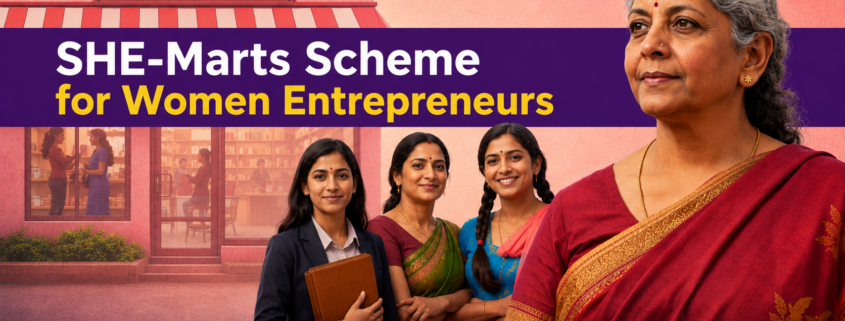
To address these challenges and empower women entrepreneurs, the Government of India introduced SHE-Marts, a dedicated marketplace initiative designed to provide women, particularly members of Self-Help Groups (SHGs), with better market access and opportunities to sell their products directly to consumers.

SHE-Marts aims to create an ecosystem where women entrepreneurs can showcase their products, expand their customer base, increase their earnings, and become financially independent. The initiative represents a major step toward strengthening women-led enterprises and promoting inclusive economic development.

In this article, we will understand everything about SHE-Marts, including its purpose, features, benefits, eligibility, implementation, challenges, and its role in shaping the future of women entrepreneurship in India.

What is SHE-Marts?

SHE-Marts is a marketplace initiative introduced to support women entrepreneurs and Self-Help Groups by providing them with a platform to display and sell their products. The concept focuses on connecting women producers directly with consumers, thereby reducing the dependence on multiple intermediaries and enabling better income generation.

The term SHE represents the strength, creativity, and entrepreneurial potential of women, while Marts refers to organized marketplaces where products can reach a wider audience.

Through SHE-Marts, women involved in small-scale manufacturing, handicrafts, agriculture-based products, food processing, textiles, and other home-based industries can receive greater visibility for their work.

The initiative aligns with India’s broader vision of women-led development, rural empowerment, and strengthening local enterprises under the spirit of Vocal for Local and self-reliant economic growth.

Why Was SHE-Marts Introduced?

India has millions of women who possess valuable traditional skills and entrepreneurial abilities. Many of them are associated with Self-Help Groups and micro-enterprises that produce high-quality goods. However, their businesses often remain confined to local markets due to various limitations.

Some of the major challenges faced by women entrepreneurs include:

  • Lack of access to large customer markets
  • Limited knowledge of branding and marketing
  • Dependence on local sellers or middlemen
  • Difficulty in obtaining fair prices for products
  • Lack of awareness about digital selling platforms
  • Limited exposure to modern business practices

SHE-Marts was introduced to overcome these barriers by creating a structured marketplace where women can independently market their products and improve their income opportunities.

The initiative also helps preserve traditional art forms and local craftsmanship by giving them access to a larger consumer base.

Objectives of SHE-Marts

The primary objective of SHE-Marts is to economically empower women by creating better business opportunities. The major goals of the initiative include:

1. Promoting Women Entrepreneurship

SHE-Marts encourages women to start and expand their businesses by giving them a reliable platform to sell their products.

2. Improving Market Access

One of the biggest barriers for small women entrepreneurs is reaching customers beyond their local area. SHE-Marts helps connect them with broader markets.

3. Eliminating Dependence on Middlemen

By enabling direct interaction between producers and consumers, women can receive better prices and higher profits for their products.

4. Increasing Financial Independence

Higher sales and improved income opportunities help women become financially stronger and contribute more actively to their households and communities.

5. Encouraging Rural Development

Many SHGs are located in rural areas. By promoting their products, SHE-Marts contributes to employment generation and economic development in villages.

Key Features of SHE-Marts

SHE-Marts provides several features that make it a valuable initiative for women entrepreneurs.

Dedicated Marketplace for Women

It offers a dedicated platform where women-owned businesses and SHGs can display their products and connect with potential buyers.

Promotion of Local Products

The initiative supports locally produced goods and helps traditional products gain recognition beyond regional boundaries.

Better Income Opportunities

With access to a wider customer network and reduced involvement of intermediaries, women can improve their earning potential.

Support for Self-Help Groups

SHGs play a major role in rural entrepreneurship. SHE-Marts provides these groups with a platform to convert their skills into sustainable businesses.

Encouragement of Digital and Modern Selling Practices

The initiative promotes the adoption of digital platforms, online selling, product branding, and modern marketing methods among women entrepreneurs.

Types of Products Available Through SHE-Marts

SHE-Marts provides opportunities for a wide variety of women-made products. Some common categories include:

Handicrafts and Handmade Items

Traditional crafts, decorative products, handmade accessories, and artistic creations prepared by women artisans can be promoted through SHE-Marts.

Textiles and Clothing

Products such as handloom fabrics, embroidered garments, traditional clothing, and customized apparel receive greater visibility through organized marketplaces.

Food and Processed Products

Women involved in preparing homemade food items, snacks, pickles, spices, and processed agricultural products can reach a larger customer base.

Natural and Eco-Friendly Products

Organic products, environmentally friendly items, and sustainable goods can find new markets through SHE-Marts.

Household and Lifestyle Products

Various home utility products, accessories, and lifestyle goods created by women entrepreneurs can also be showcased.

Benefits of SHE-Marts for Women Entrepreneurs

Increased Visibility

Many women produce excellent products but struggle to make customers aware of them. SHE-Marts helps them gain visibility among a larger audience.

Higher Income Potential

Direct selling reduces unnecessary commissions and enables women to earn better returns for their efforts.

Development of Business Skills

Participation in organized marketplaces encourages women to learn important skills such as pricing, packaging, customer communication, branding, and marketing.

Confidence and Social Empowerment

Financial independence improves confidence and allows women to participate more actively in social and economic decision-making.

Employment Generation

Growing women-led businesses can create employment opportunities for other women in their communities.

Role of Self-Help Groups (SHGs) in SHE-Marts

Self-Help Groups are among the biggest beneficiaries of SHE-Marts. Across India, thousands of SHGs are involved in activities such as agriculture processing, handicrafts, textiles, and small-scale production.

However, many SHGs face challenges in selling their products beyond local markets. SHE-Marts provides them with an opportunity to connect with larger audiences, improve sales, and build sustainable enterprises.

By strengthening SHGs, the initiative also supports rural development, community participation, and inclusive economic growth.

How SHE-Marts Supports the Vision of Women-Led Development

The Government of India has increasingly focused on transforming women from beneficiaries of welfare programs into active leaders of economic growth.

SHE-Marts contributes to this vision by:

  • Encouraging women to become entrepreneurs
  • Providing equal economic opportunities
  • Supporting rural and grassroots enterprises
  • Promoting local products and traditional skills
  • Creating sustainable sources of income
  • Strengthening the role of women in the economy

The initiative reflects the larger goal of building a society where women are not only participants but also leaders in business and innovation.

Challenges and the Way Forward

While SHE-Marts has the potential to transform women entrepreneurship, continuous efforts are required to maximize its impact.

Some areas that require attention include:

Digital Literacy

Many rural women may require training to understand online platforms, digital payments, and e-commerce processes.

Product Standardization

Improving packaging, maintaining quality standards, and developing strong branding can help women compete in larger markets.

Awareness and Outreach

More awareness campaigns are necessary so that eligible women entrepreneurs and SHGs can take advantage of the initiative.

Training and Capacity Building

Regular workshops on business management, marketing, financial literacy, and customer engagement can help women achieve long-term success.

With proper support and infrastructure, SHE-Marts can become a powerful platform for millions of women entrepreneurs across India.

How Raiseonic Helps Women Entrepreneurs Explore Government Opportunities

Many women entrepreneurs and Self-Help Groups are unaware of government initiatives that can support their growth. Understanding eligibility criteria, registration procedures, documentation requirements, and available benefits can often be challenging.

At Raiseonic, we simplify access to government schemes, funding opportunities, subsidies, and entrepreneurial support programs. Our goal is to spread awareness and provide expert guidance so that women entrepreneurs can make informed decisions for the growth of their businesses.

Whether you are a startup founder, an MSME owner, a Self-Help Group, or a first-time entrepreneur, Raiseonic helps you discover the right government opportunities that align with your business goals.

Conclusion

SHE-Marts is more than just a marketplace—it is a movement toward creating financially independent, confident, and successful women entrepreneurs across India. By providing market access, reducing dependence on middlemen, promoting local products, and supporting Self-Help Groups, the initiative opens new doors for women-led enterprises.

As India moves toward becoming a stronger and more inclusive economy, empowering women entrepreneurs will play a crucial role in this journey. Initiatives like SHE-Marts ensure that the skills, creativity, and hard work of millions of women receive the recognition and market opportunities they truly deserve.

For women entrepreneurs looking to expand their reach and understand government initiatives that can support their growth, staying informed is the first step. Follow Raiseonic for the latest updates on government schemes, subsidies, funding opportunities, and business growth initiatives that can help transform your entrepreneurial journey.

Maithili Thakur

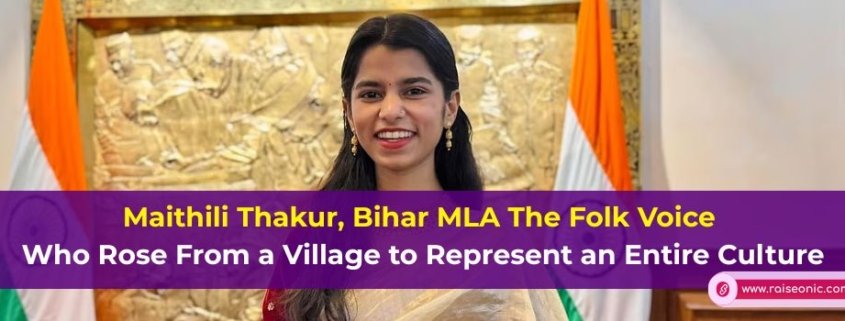
Maithili Thakur’s journey is one of the most inspiring cultural stories of modern India—a story where talent meets discipline, where simplicity meets global recognition, and where the voice of a young girl becomes powerful enough to represent an entire state. Today, she stands not only as one of India’s most beloved folk singers but also as a nominated Bihar MLA (MLA Bihar), honoured for her extraordinary contribution to Indian classical, folk, and regional art forms.

What makes her journey truly extraordinary is its purity. Maithili did not rise to fame through glamour, movie labels, or industry connections. She rose through devotion to music, dedication to her roots, and relentless consistency. Her rise is proof that culture, when nurtured with sincerity, can become a force strong enough to influence society.

As one of the youngest cultural icons to be nominated to the Bihar Legislative Assembly, Maithili Thakur represents something far beyond fame—she represents cultural leadership, responsibility, and the pride of Bihar.


Early Life: Childhood in the Heart of Mithila

Born in 2000 in Benipatti, a serene village in the Madhubani district of Bihar, Maithili grew up surrounded by the rich heritage of Mithila. Her home was simple, but it echoed with the sounds of tabla, harmonium, and devotional singing. Her father, Rambhajan Thakur, a classical singer and music teacher, identified her extraordinary musical ability when she was just a child.

Long before fame found her, her life revolved around:

  • Early morning riyaaz

  • Learning ragas and taals

  • Singing bhajans

  • Understanding the depth of folk poetry

Her brothers, Rishav and Ayachi, were trained alongside her. Together, they formed a musical trio that would later win the hearts of millions across the world.

Their home lacked luxuries, but it was rich in dedication, discipline, and cultural depth. For Maithili, music wasn’t a hobby—it was a way of life, a connection to her identity, and a bridge to her ancestors.

This early exposure to folk and classical traditions shaped her into the artist she is today.


Leaving the Village for Delhi: A Turning Point Filled With Struggles

To give their children a better environment for training and opportunities, the Thakur family moved to Delhi. But life in the city was far from easy.

They faced challenges like:

  • Small, cramped rented rooms

  • Limited income

  • Financial pressure due to music training and school

  • Long travels across the city for competitions

  • Performing at small gatherings to support the family

  • Managing music practice in busy and noisy surroundings

Despite all of this, the family held onto their dreams. Maithili remained focused, her father remained determined, and her brothers remained supportive.

These hardships became stepping stones. They didn’t break her spirit—they strengthened it.


Rising Star 2017: The Moment That Changed Everything

In 2017, Maithili Thakur participated in the reality singing show Rising Star. Her very first performance went viral, and millions connected instantly with her voice.

Her singing stood out because:

  • Her voice was pure and untouched by commercial influence

  • She displayed outstanding classical training

  • Her style carried the emotional depth of folk traditions

  • Her simplicity radiated authenticity

Even though she finished as the runner-up, she emerged as a national sensation. People admired her humility—she performed without glamour, without flashy costumes, without artificial drama.

The show brought her into the national spotlight. But her real stardom was yet to begin.


Social Media: Her Real Stage, Her Real Stardom

Instead of pursuing Bollywood singing, Maithili chose a different path. She, along with her brothers, began posting music videos on:

  • YouTube

  • Facebook

  • Instagram

These videos were extremely simple:

  • A harmonium

  • A tabla

  • Three siblings sitting together

  • Natural lighting

  • No makeup

  • No studio equipment

Yet these videos touched millions of hearts.

People around the world felt connected to her because she represented a truth that is rare today—raw, honest talent rooted deeply in culture.

Through social media, she revived many dying folk traditions, especially:

  • Maithili folk songs

  • Bhojpuri lok geet

  • Regional festival songs

  • Classical bandishes

  • Traditional wedding songs

Her voice brought back melodies that were disappearing. She made regional music proud again.

Over time, her followers grew into millions. She became the digital face of Indian folk culture.


The Ramayan Series: A Cultural Gift to the Nation

During the 2020 lockdown, Maithili and her brothers began a devotional project—singing daily Ramayan verses and sharing them online.

This series became incredibly popular. Families listened together. Elders felt emotional. Youth reconnected with culture.

Her Ramayan videos became:

  • A source of comfort during an uncertain time

  • A way to unite families

  • A revival of timeless devotional traditions

  • A symbol of spiritual healing

Many still consider this one of the most meaningful contributions she has made.


The Unique Maithili Style: Simplicity, Purity, and Emotion

Maithili’s singing style is a rare blend of:

  • Simplicity

  • Classical precision

  • Folk flavour

  • Deep emotional expression

  • Cultural richness

Her voice is sweet, steady, and deeply expressive. She doesn’t need heavy instruments or auto-tuning. Her music feels alive, natural, and rooted.

She represents the soul of Mithila, the pride of Bihar, and the beauty of Indian classical tradition.


Awards, Recognition, and Global Influence

Throughout her journey, Maithili has received prestigious awards and honours, including:

  • Ustad Bismillah Khan Yuva Puraskar

  • National and state-level cultural honours

  • Invitations to perform on international stages

  • Massive digital popularity

She has performed in:

  • USA

  • UK

  • UAE

  • Mauritius

  • Nepal

  • Multiple Indian states

Wherever she goes, she carries the fragrance of her culture.


Maithili Thakur as Bihar MLA: A Cultural Milestone

One of the highest recognitions in Maithili’s journey came when she was nominated as a Member of the Bihar Legislative Assembly (Bihar MLA) for her unparalleled contribution to folk music and cultural preservation.

Why was she chosen as MLA Bihar?

Because she has:

  • Promoted Maithili language globally

  • Revived dying folk traditions

  • Brought attention to Bhojpuri and regional music

  • Inspired millions of young artists

  • Represented Bihar on international platforms

  • Uplifted the dignity of cultural professions

Her nomination shows that art is not just entertainment—it’s a cultural responsibility.

What does being Bihar MLA mean for her future?

As a Bihar MLA, she now has the platform to:

  • Raise issues about cultural preservation

  • Promote folk artists in rural Bihar

  • Strengthen the Maithili language at an academic level

  • Initiate cultural development programs

  • Support young artists with resources and training

Her voice, once a village melody, now has the power to shape cultural policy.


Bond with Mithila Lok Aayog

Maithili was also honoured by the Mithila Lok Aayog, an institution that celebrates individuals preserving Mithila’s identity.

She is widely recognized as:

  • The voice of Mithila

  • The modern face of traditional art

  • A cultural ambassador

  • A leader who embodies her roots

Her success brings pride to the entire Mithila region.


A Global Cultural Bridge

Maithili’s reach goes beyond India. She is adored by the Indian diaspora worldwide, who feel connected to home through her songs.

Her concerts evoke:

  • Nostalgia

  • Emotional memories

  • Cultural pride

Her voice connects generations—grandparents, parents, and children.
She has become a global cultural bridge, linking India with the world.


Why Maithili Thakur Matters Today

Maithili represents many important truths:

  • You can be famous without losing your simplicity

  • Regional identity can become global power

  • Young artists can succeed without glamour

  • Folk music still has a place in modern society

  • Authenticity always wins

  • Culture can be a powerful form of leadership

For young dreamers, she is proof that success comes from dedication—not background.


Conclusion: A Voice That Carries a Civilization

From a small village in Madhubani to becoming a Bihar MLA, Maithili Thakur’s journey is a living example of purity, perseverance, and cultural pride.

She sings with devotion.
She leads with humility.
She preserves traditions with passion.
She carries Mithila in her heart like a crown.

Her voice is not just heard—it is felt.
Her music does not just entertain—it connects.
Her journey does not just inspire—it uplifts society.

Maithili Thakur is not just a singer.
She is the cultural heartbeat of Bihar,
the folk voice of Mithila,
and now, a Bihar MLA shaping the future of heritage and identit

Tanya Mittal

Introduction

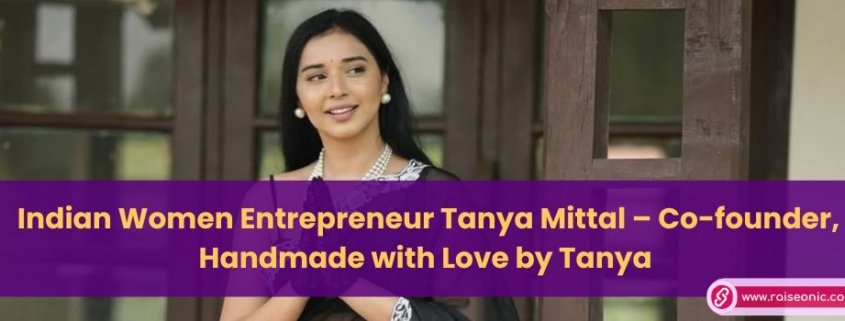
In India’s rapidly changing entrepreneurial landscape, stories of young innovators transforming dreams into reality continue to inspire millions. One such inspiring figure is Tanya Mittal — a model, motivational speaker, and most importantly, a self-made entrepreneur who founded Handmade With Love by Tanya.

With just ₹500 and an idea born out of creativity and passion, Tanya built a brand that not only turned profitable but also became a symbol of empowerment for young women across India. Her story is about more than business — it’s about courage, resilience, and the art of believing in oneself.


1. Early Life and Background

Born and raised in Gwalior, Madhya Pradesh, Tanya’s early years were filled with challenges that shaped her outlook on life. She underwent corrective surgeries for a cleft lip and palate at a young age, a difficult experience that deeply influenced her confidence and determination.

Instead of letting adversity define her, Tanya learned to use her story as a source of strength. This emotional journey laid the foundation for her life philosophy — that limitations can be turned into opportunities when approached with courage and consistency.

After completing her schooling, Tanya pursued a degree in architecture from Chandigarh University. While studying, she began exploring creative hobbies — crafting, designing, and making small handmade gifts. What started as a pastime quickly evolved into an entrepreneurial idea.


2. The Birth of Handmade With Love by Tanya

At just 19 years old, Tanya launched Handmade With Love by Tanya, a small business creating personalized handcrafted gifts, accessories, and lifestyle products.

She began with a modest investment of ₹500, crafting items at home and selling them through social media. Each product was unique, designed with thoughtful details, and carried a sense of warmth that resonated with her customers.

Her approach was simple but powerful: quality over quantity, and connection over competition. Tanya realized early on that modern consumers love authenticity — they don’t just buy products, they buy stories. Her brand stood out because it told her story beautifully.

In a few months, word-of-mouth and her engaging social media presence helped Handmade With Love gain recognition. Orders started pouring in from across India, and Tanya reinvested every bit of profit into scaling her operations.


3. Building a Brand from Scratch

Creating a successful handmade brand in India’s competitive market was no small feat. Tanya combined creativity, strategic thinking, and a personal touch to establish her brand identity.

Some of the steps that shaped her journey included:

  • Leveraging Social Media: Tanya used Instagram to showcase her products through visually appealing content. Her focus on aesthetics, storytelling, and transparency helped her connect with a young audience.

  • Personal Branding: She positioned herself as both the face and soul of her brand. Her customers knew who was behind the products — a passionate woman making every item with love and care.

  • Customer Engagement: Tanya actively interacted with her followers, often sharing behind-the-scenes stories, packaging videos, and heartfelt messages. This created a loyal customer base that trusted her.

  • Diversification: Over time, she expanded from small gifts to fashion accessories, handbags, and sarees — each collection infused with creativity and craftsmanship.


4. The Entrepreneurial Mindset

Tanya Mittal’s entrepreneurial journey is deeply rooted in self-belief and adaptability. She often talks about how passion alone isn’t enough — it must be paired with persistence, innovation, and a willingness to learn.

Her early lessons included:

  • Start Small, Think Big: Even with limited capital, she proved that vision and consistency matter more than resources.

  • Fail Fast, Learn Faster: Tanya experimented constantly — new designs, marketing techniques, and product lines. Not every attempt succeeded, but every setback taught her something valuable.

  • Build a Community, Not Just a Business: Instead of only selling products, Tanya built an emotional connection with her audience. Her brand became a reflection of her personality — vibrant, confident, and compassionate.


5. Achievements and Recognition

Tanya’s entrepreneurial success brought her recognition not just in business circles but also in pageantry and media.

  • She won the Miss Asia Tourism title in 2018, representing India on an international platform.

  • Her inspiring story as a young self-made woman entrepreneur featured in multiple media publications.

  • She became a motivational speaker, addressing youth on topics like entrepreneurship, self-confidence, and women’s empowerment.

  • She later gained further recognition through her participation in reality shows, adding to her public persona as a confident and ambitious young woman.

Despite the glamour and fame, Tanya consistently emphasizes that her true happiness lies in creating something of her own and inspiring others to do the same.


6. Challenges and Lessons Learned

Like every entrepreneur, Tanya faced her share of challenges — from managing finances and operations to dealing with online criticism.

Some of the key hurdles she overcame include:

  • Limited Resources: Starting with minimal investment meant she had to learn budgeting, marketing, and production simultaneously.

  • Maintaining Quality: As orders grew, ensuring consistent product quality became a challenge. She tackled this by training local artisans and expanding her team.

  • Balancing Public Image: With her growing fame, she often found herself under scrutiny. Tanya learned to stay grounded and focused on her mission — building her business and uplifting others.

  • Managing Pressure: Running a brand while maintaining public visibility is not easy. Her resilience, combined with her ability to find calm through spirituality and creativity, helped her stay balanced.


7. Philosophy and Inspiration

Tanya’s philosophy is simple: “Success isn’t defined by how much money you make, but by how much love and effort you put into what you create.”

She believes every entrepreneur should:

  • Start with purpose

  • Embrace vulnerability

  • Keep learning and adapting

  • Believe in small beginnings

Her journey embodies the new face of women entrepreneurship in India — confident, independent, and unapologetically ambitious.

She often says that Handmade With Love is not just a business but a movement — one that celebrates art, individuality, and the power of persistence.


8. Impact and Empowerment

Beyond personal success, Tanya’s venture has created opportunities for others. She employs and collaborates with local artisans, especially women, empowering them financially and creatively.

Her brand’s ethos revolves around inclusivity, sustainability, and the value of craftsmanship. By encouraging others to support small businesses and handmade products, she’s helping revive India’s creative economy.

She also uses her platform to inspire other women to chase their dreams fearlessly. Through motivational talks, interviews, and social media, Tanya shares her experiences openly — reminding others that perfection isn’t necessary to start; passion is.


9. Financial Growth and Expansion

Though she began with just ₹500, Tanya’s business has grown significantly over the years. Her income streams now include:

  • Product sales from Handmade With Love

  • Social media collaborations and brand endorsements

  • Public speaking engagements

Estimates suggest that her net worth is in the range of a few crores — an impressive feat for a young entrepreneur who began from scratch. More importantly, her journey showcases how digital entrepreneurship, when combined with authenticity, can create both wealth and influence.

Looking ahead, Tanya aims to expand her brand into new categories, collaborate with Indian designers, and potentially open physical experience stores.


10. Tanya Mittal: The Public Persona

Tanya’s vibrant personality, confidence, and aesthetic style have made her a strong personal brand. Whether it’s her love for sarees, her fashion sense, or her candid presence online — she exudes individuality.

At the same time, she’s open about her vulnerabilities and imperfections. She doesn’t shy away from addressing challenges or controversies — a trait that resonates with today’s audience craving authenticity over perfection.

Her story appeals to multiple generations — from young women looking for motivation to established entrepreneurs who admire her creativity and marketing instincts.


Conclusion

Tanya Mittal’s journey from a small-town girl with a creative spark to a national inspiration reflects the power of vision and self-belief. She represents the changing face of Indian entrepreneurship — where innovation is not limited to tech startups but also thrives in handmade art, storytelling, and personal branding.

Her brand Handmade With Love by Tanya is not just about selling products; it’s about selling emotions — a reminder that success is handmade, one effort at a time.

In an age where women are redefining what it means to be entrepreneurs, Tanya stands as a symbol of passion meeting persistence. Her story teaches us that when dreams are built with authenticity, every challenge becomes just another stepping stone toward greatness.

Anita Gupta

Introduction

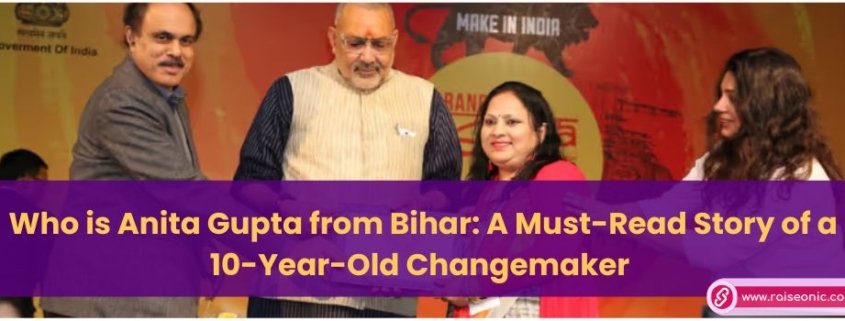
Not every changemaker waits for the “right time” to begin. Some are born with an extraordinary sense of purpose that refuses to be silenced. Anita Gupta from Bihar is one such remarkable woman — a visionary leader who began her journey at the tender age of 10 and went on to become the founder of Bhojpur Mahila Kala Kendra, a women-centric initiative that continues to uplift countless lives across rural India.

Her story is more than an inspiring tale — it’s a movement of hope, empowerment, and transformation. From teaching women traditional handicrafts to enabling financial independence, Anita’s journey redefines what leadership, compassion, and purpose truly mean.


1. The Beginning of a Dream: Leadership at 10

Growing up in Bhojpur, Bihar, Anita Gupta witnessed the struggles of women around her — mothers, daughters, and sisters confined by limited opportunities and social barriers. While others her age were busy with school lessons and play, Anita’s eyes saw a deeper reality.

She noticed that women in her community possessed incredible skills — weaving, stitching, and crafting — but lacked the means to turn these abilities into livelihoods. Determined to change that, she began gathering local women to teach and learn together.

At just 10 years old, Bhojpur Mahila Kala Kendra was born — an organization that would go on to redefine empowerment for generations.


2. Founding Bhojpur Mahila Kala Kendra: A Movement Begins

What started as a small gathering of village women soon turned into a structured initiative. With limited resources but infinite determination, Anita began conducting training sessions in handicrafts, crochet, and jewelry-making.

Her idea was simple yet powerful — “Empower women by enabling them to earn.”

By teaching skills that could generate income from home, she opened doors for women who had never before imagined financial independence. Over time, the Kendra became a center of hope — where creativity met confidence, and craftsmanship met courage.

The initiative also became a safe space for women to share their experiences, learn from one another, and reclaim their identities beyond household roles.


3. Overcoming Challenges: A Journey of Grit and Grace

Starting an empowerment initiative at such a young age was not easy. Anita faced skepticism from many — “How can a young girl lead?” they questioned. Resources were scarce, funding was minimal, and cultural barriers were deeply rooted.

But what Anita lacked in age and resources, she made up for in conviction.

She began with recycled materials, borrowed tools, and an unwavering belief that change begins with one person. Through persistence and community collaboration, she slowly built trust and visibility. Local families began noticing the positive changes — women who once stayed silent now spoke with confidence, earned their own income, and supported their households.


4. From Craft to Confidence: Redefining Empowerment

Anita Gupta’s philosophy goes far beyond teaching skills. For her, empowerment is not just about economic independence — it’s about emotional liberation.

At Bhojpur Mahila Kala Kendra, every training session became a classroom of transformation. Women not only learned to craft beautiful products but also developed soft skills such as communication, teamwork, and entrepreneurship.

They learned how to price their products, understand market trends, and even use digital tools to reach a broader audience. Anita helped them realize that they weren’t just artisans — they were businesswomen, creators, and changemakers.


5. Building a Sustainable Model

Over the years, Anita expanded her initiative into a self-sustaining ecosystem.

The Kendra began partnering with local self-help groups, NGOs, and government schemes that supported women entrepreneurs. It started participating in handicraft exhibitions, local fairs, and digital marketplaces to help artisans sell their products directly to customers.

Each product sold wasn’t just an item — it represented the story of a woman reclaiming her future. The brand soon gained recognition for its quality and authenticity, becoming a symbol of “Handmade with Heart.”


6. Training and Employment: Uplifting Hundreds of Women

Anita Gupta’s work has directly impacted hundreds of women across Bihar and nearby regions.

Through structured training programs in crochet, embroidery, handloom, jewelry-making, and eco-friendly products, she has enabled women to build independent livelihoods.

The initiative emphasizes sustainable practices, ensuring that traditional Indian crafts are preserved while promoting environmental consciousness.

Many women who started as trainees have now become trainers and leaders themselves — passing on the knowledge and creating a ripple effect of empowerment.


7. The Vision: Empowerment Beyond Borders

Anita’s vision extends far beyond her village or state. She envisions a nationwide network of skilled women entrepreneurs, rooted in local craftsmanship but connected globally through e-commerce and digital storytelling.

Her model aligns with India’s Startup India and Skill India missions — fostering innovation, inclusion, and entrepreneurship at the grassroots level.

She believes that when women are financially independent, entire communities thrive. “Empower a woman, and you empower a generation,” she often says.


8. Recognitions and Impact

Anita Gupta’s remarkable journey has not gone unnoticed. Her initiative, Bhojpur Mahila Kala Kendra, has been recognized by local authorities, women’s organizations, and entrepreneurship networks for its role in advancing rural women’s empowerment.

Her story has inspired young changemakers across India — especially girls from small towns who dream big despite challenges.

Her work also aligns with the UN Sustainable Development Goals (SDGs) — promoting gender equality, decent work, and economic growth.


9. Lessons from Anita’s Journey

Anita Gupta’s life offers profound lessons for all aspiring social entrepreneurs and leaders:

  • Start early, start small: You don’t need a perfect plan; you just need passion.

  • Empowerment is contagious: When you lift others, you rise too.

  • Sustainability is key: True change lasts when it’s community-driven.

  • Believe in your vision: Even one person can ignite a revolution.

Her story reminds us that leadership is not about power or privilege — it’s about responsibility and empathy.


10. Inspiring the Next Generation

Today, Anita continues to inspire through her training programs and workshops. She mentors young girls, encouraging them to pursue entrepreneurship and social work.

Her dream is to establish training hubs across India where women can learn, create, and sell their products with dignity.

Through social media, she also spreads awareness about handmade crafts, rural artistry, and women-led enterprises, building a digital bridge between tradition and innovation.


Conclusion

Anita Gupta’s journey from a 10-year-old changemaker to a symbol of empowerment is nothing short of extraordinary. She didn’t just teach women how to craft — she taught them how to believe in themselves.

Her work continues to ripple through villages and cities, reminding us that every small act of courage can lead to monumental change.

As India’s entrepreneurship landscape evolves, stories like Anita’s serve as powerful reminders that innovation isn’t always technological — sometimes, it’s human.

In a world driven by speed and scale, Anita Gupta’s story stands as a testament to purpose, patience, and perseverance.

Anmol Chouhan

Introduction

In the world of entertainment, where thousands chase fame, some individuals create their own spotlight instead of waiting for it. Anmol Chouhan, popularly known as Choti Si Ekladki, is one such inspirational figure. From modest beginnings with small television roles to becoming a digital creator inspiring over 600K followers, Anmol’s story is about courage, creativity, and consistency.

She has proved that passion, combined with perseverance, can transform even small beginnings into impactful journeys. Her journey reminds aspiring creators that your story matters — and it can touch countless lives.


1. Early Life and Beginnings

Anmol Chouhan was born and raised in India, where she nurtured a passion for performing arts from a young age. Her interest in acting, dance, and storytelling laid the foundation for what would become an inspiring career.

Her initial foray into the entertainment industry involved small roles on television. One notable highlight was working alongside the legendary comedian and actress Bharti Singh, which provided her early exposure to professional acting and the discipline required to thrive in the industry.

Despite starting with minor roles, Anmol never let the lack of a prominent platform deter her. Instead, she focused on honing her craft, learning from each experience, and identifying opportunities to connect with audiences in meaningful ways.


2. Breaking Through: Silsila Badalte Rishton Ka

Anmol’s career began gaining attention with her involvement in the television show Silsila Badalte Rishton Ka. While not the lead, her performances were noted for their authenticity and charm.

This period was crucial in shaping her understanding of storytelling, audience engagement, and the importance of consistency. Working on television taught her the intricacies of timing, emotion, and character development, all of which she would later apply to her personal content creation platforms.


3. The Birth of Choti Si Ekladki

Instead of waiting for bigger roles on TV or films, Anmol created her own platform — Choti Si Ekladki. This digital space allowed her to connect directly with her audience through dance videos, storytelling, comedy sketches, and glimpses into her real life.

The name Choti Si Ekladki reflects both humility and relatability — it portrays the idea of being small but impactful. Her digital persona emphasizes authenticity over perfection, resonating strongly with viewers seeking relatable content.

Through this platform, Anmol cultivated a community built on trust, laughter, and inspiration. Followers didn’t just consume content; they engaged, shared, and celebrated their own journeys alongside hers.


4. Creating a Community

One of Anmol Chouhan’s greatest achievements is her ability to create a community rather than merely an audience.

By consistently sharing content that combines dance, storytelling, and humor, she built a space where followers feel seen and connected. Her engagement strategy is simple yet effective:

  • Authenticity: Sharing real stories, struggles, and successes makes her relatable.

  • Consistency: Regular posting ensures continuous connection with her followers.

  • Creativity: Each video or post is thoughtfully crafted, often with innovative formats and expressions.

  • Empowerment: Through her content, she inspires women and young creators to pursue their passions confidently.

Today, her following exceeds 600K, a testament to her ability to inspire, entertain, and uplift her audience.


5. Lessons from Her Journey

Anmol Chouhan’s story carries valuable lessons for aspiring creators, actors, and entrepreneurs:

  1. Start Small, Dream Big: Small roles on TV became stepping stones for her larger vision.

  2. Create Your Own Opportunities: Waiting for the perfect role is not necessary; building your platform works equally well.

  3. Consistency is Key: Regular engagement and authentic content strengthen your connection with your audience.

  4. Learn from Mentors and Peers: Early experiences with industry veterans like Bharti Singh provided practical insights and professional growth.

  5. Empower Others Through Your Story: Sharing your journey can inspire countless others to pursue their dreams.


6. Overcoming Challenges

Like all creators, Anmol faced hurdles:

  • Limited Visibility: Early roles on TV were minor, and she had to work hard to be noticed.

  • Balancing Content Creation and Personal Life: Managing schedules, shoots, and digital content demands discipline.

  • Criticism: Public scrutiny is inevitable, and Anmol navigated it by staying focused on her goals.

Her ability to transform these challenges into lessons demonstrates resilience, patience, and adaptability — traits essential for any successful creator.


7. Impact and Influence

Beyond entertainment, Anmol’s journey has made a tangible impact:

  • Inspiration for Women: Young women see her as a role model who pursued her passion despite societal pressures.

  • Motivating Creators: Aspiring digital creators look to her journey as proof that originality and persistence matter more than fame.

  • Community Engagement: Her content encourages interaction, dialogue, and mutual support among followers.

Through dance, humor, and personal storytelling, Anmol has proven that digital platforms can be leveraged not just for entertainment but for meaningful social impact.


8. Creativity Meets Courage

Anmol’s success is rooted in a balance of creativity and courage.

  • Creativity: Each post, dance video, or story is carefully designed to engage, entertain, and inspire.

  • Courage: She embraced her unique identity and shared her life openly, taking risks that others might shy away from.

This combination has allowed her to stand out in a crowded digital space, carving a niche that is both entertaining and motivational.


9. Future Plans and Aspirations

Anmol Chouhan continues to grow her brand and influence. Some potential paths include:

  • Collaborating with other creators and influencers for joint content.

  • Expanding into acting roles in web series and digital films.

  • Using her platform to promote social causes and women empowerment campaigns.

  • Creating workshops or mentoring programs for upcoming creators.

Her trajectory suggests that she will continue inspiring and entertaining, with increasing focus on social impact alongside personal growth.


10. Conclusion

Anmol Chouhan’s journey from small television roles to inspiring over 600K followers exemplifies the power of consistency, courage, and creativity. She demonstrates that waiting for the spotlight is optional — one can build their own stage and shine brilliantly.

Her story is a reminder for creators everywhere: every small beginning carries the potential for a significant impact. By embracing authenticity, nurturing creativity, and connecting with your audience, you can transform your journey into an inspiration for thousands.

Anmol Chouhan embodies the modern digital creator — passionate, resilient, and committed to making a difference while entertaining the world.

In a world dominated by fleeting trends and fast visuals, Shikha Sharma stands out—not just as an artist but as a cultural force, reviving and redefining one of India’s oldest art forms. With her bare hands, boundless imagination, and unmatched dedication, Shikha has transformed Rangoli—a traditional doorstep ritual—into a global movement of storytelling, heritage, and community expression.And now empowering through Shikha Art Institute in Indore.

Born to Create: A Childhood in Color

Born in 1998 in Indore, Madhya Pradesh, Shikha’s tryst with art began at home. Inspired by the traditional Rangolis her mother and grandmother lovingly crafted every festive season, little Shikha didn’t just observe—she learned, practiced, and began innovating early on. Drawing, painting, and Rangoli quickly became her first languages of expression. What started as a childhood fascination soon turned into a full-blown calling.

Pioneering 3D Rangoli and Large-Scale Installations

While most artists mastered canvases, Shikha chose floors, courtyards, and open grounds as her medium. She became one of the few Indian artists to master the 3D Rangoli style, adding depth and realism to her work with visual illusions and geometric precision.

Her most iconic work—a 12,000 sq. ft. Rangoli dedicated to inspirational women—was unveiled at Takshashila Campus, Devi Ahilya Vishwavidyalaya (DAVV) on March 7, 2022. Created with 20 artists and 6 tonnes of Rangoli powder, the piece wasn’t just breathtaking—it was historic. It drew dignitaries, global artists, and national admiration.

This grand tribute earned Shikha 14+ world records, including accolades from:

  • India Book of Records

  • Asia Book of Records

  • World Book of Records

  • And most notably, the Guinness World Record for the largest Rangoli in the world.

Educator, Mentor, Changemaker

Through her Shikha’s Art Institute in Indore, she has mentored hundreds of students in painting, clay modelling, sketching, and of course, Rangoli. What sets her apart is her ability to combine age-old techniques with modern methods—using projectors, digital sketches, and 3D projections to make her work interactive and relevant to the times.

Her institute is not just a classroom—it’s a creative haven where tradition meets innovation.

Taking Rangoli Global

Shikha isn’t just a local or national sensation—she’s a global ambassador of Indian culture. The only Indian Rangoli artist invited to Thailand for an international exhibition, Shikha has shown that Rangoli is more than decoration—it’s a cross-cultural language of celebration.

In 2025, she partnered with Netflix India to create a monumental Rangoli installation celebrating the release of “Chhaava”—bringing cinematic storytelling into a vibrant, cultural dimension using her signature 3D techniques.

A Digital Powerhouse

With over 15 million subscribers on YouTube and nearly 2 million Instagram followers, Shikha has made Rangoli viral—her reels, tutorials, and behind-the-scenes clips attract audiences from all age groups and nationalities. She has turned what was once a seasonal activity into a year-round creative lifestyle.

Personal Life and Partnership

Behind her success is a solid partnership with her husband Shaan Joshi, a musician who also manages her brand. The two share a studio and a creative life, often travelling together for exhibitions, digital campaigns, and collaborative projects. Their relationship reflects a rare harmony between art and administration, creation and communication.

Advocating for Discipline, Health & Expression

Shikha lives by the principles she paints—discipline, creativity, and wellness. A firm believer in holistic living, she practices daily yoga, follows a disciplined diet, and balances her intense work life with mindfulness and travel. She draws inspiration from various cultures and traditions, which then find a place in her ever-evolving palette.

Impact Beyond Art

What truly sets Shikha apart is her mission to make art inclusive and accessible. From school children to senior citizens, from Indian villages to international arenas, her Rangoli workshops are open spaces of learning, joy, and expression.

Through her art festivals and community workshops, Shikha promotes:

  • Gender equality

  • Cultural diversity

  • Mental well-being through creativity

  • Intergenerational bonding through shared art experiences

Legacy in the Making

At just 26 years old, Shikha Sharma is not only a world-record holder—she’s a living legend of color, courage, and culture. She’s making Indian art visible, celebrated, and timeless—not just in galleries or textbooks, but in digital timelines, public spaces, and global hearts.

In every swirl of powder, every curve of a petal, and every burst of color, Shikha Sharma is telling a story the world needs to see.

Anu Taksali’s story is not one of overnight success or viral moments. It is the story of a woman who chose to build quietly—layer by layer, purposefully, and from the ground up. Today, she’s known across India and beyond as a digital strategist, brand architect, and a compassionate mentor to women-led businesses. But that’s only the surface.

Years ago, Anu found herself navigating a world that often dismissed the quiet voices of women, especially those who wanted more than what tradition allowed. She began her career as a corporate trainer and soft skills consultant, helping others communicate better, show up with confidence, and unlock their potential. These roles gave her something far greater than skills—they gave her insight into the human side of business. She learned that true transformation doesn’t come from flashy tactics; it comes from clarity, connection, and belief in oneself.

Fueled by that belief, Anu took her first entrepreneurial leap. With no roadmap but a deep understanding of branding and communication, she founded Ubique Digitals—a digital strategy and branding firm that would go on to help over 200 women-led brands become more visible, valuable, and scalable. Her goal was never just about digital presence; it was about empowering women to see themselves as powerful creators in a digital world.

Anu didn’t stop at strategy. She felt the need for a deeper platform—one that gave voice to women whose stories often remained hidden behind their businesses. That’s how Anu Talks, her podcast, was born. Through 20+ episodes, she gave a mic to women who had defied odds, built with grit, and carved out identities in a world that rarely made space for them. Through storytelling, she reminded listeners of a simple truth: your story is your strategy.

Her journey took another personal turn when she co-created SafeoBuddy Kids, India’s first GPS + SOS smartwatch, designed not by an engineer or investor, but by a mother—for mothers. It wasn’t just a product. It was a reflection of her own maternal instincts to keep children safe, and a symbol of how innovation can grow from love and lived experience.

As she continued to expand her digital mission, she launched QRYzen, a smart QR solution for today’s fast-paced, mobile-first world. Whether it was branding, safety, or digital tools, Anu had a knack for solving modern problems with meaningful solutions.

With her unique blend of tech-savviness and empathy, Anu has now worked with entrepreneurs across India, USA, Canada, and Dubai, helping coaches, creators, and consultants transform chaos into clarity. Her strategies have not only scaled businesses but helped women unlock high-ticket offers, build sustainable income systems, and become the CEOs of their own lives.

Behind the screen, though, she is more than just a strategist. She’s a believer in intuition, in compassion, and in the harmony of motherhood, mindset, and money. She often says that business isn’t just about conversion—it’s about connection. And those who have worked with her know that to be true.

Today, she’s often called “a human friend in the world of AI”—someone who blends technology with heart, helping women rise in a space that’s often too automated to feel real. Her work is driven by the conviction that you don’t have to choose between passion and purpose. You can create your own way—with strategy, soul, and self-belief.

What makes Anu’s story so powerful is not the titles she holds or the businesses she’s built. It’s the intention behind every step. She’s walked alongside women as they reimagined what’s possible for themselves, helped them find their voice, and reminded them that it’s okay to build slowly, quietly, and with intention.

Anu Taksali’s story is not just about her—it’s a mirror for every woman who’s ever felt invisible in the noise, and a call to action: you are allowed to take up space, tell your story, and build something meaningful.

And if you ever feel lost in the digital chaos, remember—you don’t have to do it alone. Sometimes, all it takes is a human friend who believes in both your vision and your voice.