Startup India Initiative: Complete Guide to India’s Flagship Programme for Entrepreneurs, Innovation, and Business Growth
Introduction to Startup India Initiative
Entrepreneurship has become one of the most powerful drivers of economic growth, innovation, and employment generation across the world. In India, a new generation of entrepreneurs is solving real-world challenges by building innovative startups in sectors such as technology, healthcare, agriculture, education, fintech, manufacturing, clean energy, logistics, and artificial intelligence. These startups are not only creating jobs but also contributing significantly to the country’s vision of becoming a global innovation hub.
Despite the immense potential of Indian entrepreneurs, startups often face several challenges during their early stages. Limited access to funding, complex regulatory procedures, inadequate mentorship, lack of market access, and compliance burdens can slow down business growth. Recognizing these obstacles, the Government of India launched the Startup India Initiative to create a supportive ecosystem that encourages innovation and entrepreneurship.
Launched in 2016, Startup India is one of India’s flagship programmes designed to nurture startups through policy reforms, tax incentives, funding support, simplified compliance, intellectual property assistance, incubation support, and easier access to government procurement opportunities.
Today, Startup India has transformed India’s entrepreneurial landscape by supporting thousands of startups across the country and positioning India among the world’s leading startup ecosystems.
In this article, we will explore everything about the Startup India Initiative, including its objectives, features, benefits, eligibility criteria, registration process, government support, and its contribution to India’s economic development.
What is the Startup India Initiative?
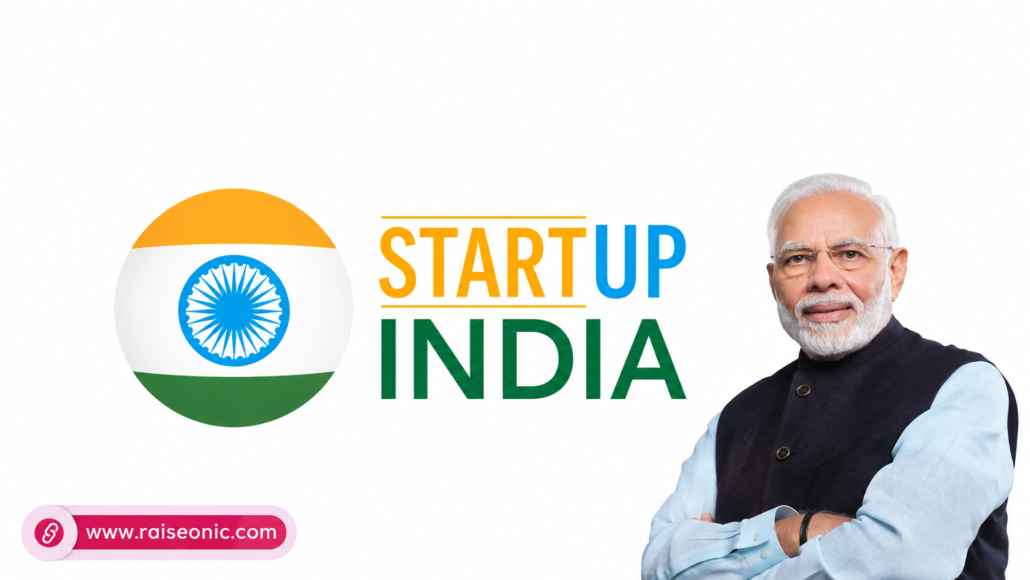
The Startup India Initiative is a flagship programme of the Government of India, launched on 16 January 2016, to promote innovation, entrepreneurship, and startup growth.
The initiative is implemented by the Department for Promotion of Industry and Internal Trade (DPIIT) under the Ministry of Commerce and Industry.
Startup India aims to build a strong ecosystem where entrepreneurs can establish, grow, and scale innovative businesses by reducing regulatory barriers and providing access to financial, legal, and technical support.
The initiative focuses on:
- Promoting innovation
- Encouraging entrepreneurship
- Simplifying regulations
- Supporting startup funding
- Facilitating skill development
- Creating employment opportunities
- Strengthening India’s global competitiveness
Why Was Startup India Introduced?
Before the launch of Startup India, entrepreneurs often encountered several challenges while starting and growing businesses.
Some major issues included:
- Limited access to early-stage funding
- Complex regulatory compliance
- Lengthy business registration procedures
- High cost of intellectual property protection
- Lack of mentorship and incubation facilities
- Limited networking opportunities
- Difficulty accessing government procurement
To address these challenges, the Government introduced Startup India to create an entrepreneur-friendly ecosystem that supports innovation and sustainable business growth.
The initiative also supports national priorities such as:
- Atmanirbhar Bharat
- Digital India
- Make in India
- Skill India
- Employment Generation
- Ease of Doing Business
Objectives of Startup India Initiative
The Startup India Initiative has several important objectives.
1. Promote Entrepreneurship
The programme encourages individuals to start innovative businesses across various sectors.
2. Foster Innovation
Startup India supports the development of new technologies, products, and business models.
3. Generate Employment
Successful startups create direct and indirect employment opportunities across industries.
4. Simplify Business Regulations
The initiative reduces regulatory burdens through simplified compliance and self-certification.
5. Improve Access to Finance
Government support helps startups connect with investors, venture capital funds, and financial institutions.
6. Build a Strong Startup Ecosystem
Startup India strengthens collaboration among entrepreneurs, investors, incubators, educational institutions, and government agencies.
Key Features of Startup India
DPIIT Recognition
Eligible startups can obtain official recognition from DPIIT, enabling them to access various government benefits and support programmes.
Simplified Compliance
Recognized startups benefit from simplified compliance under certain labour and environmental laws through self-certification, subject to applicable rules.
Intellectual Property (IPR) Support
The initiative facilitates easier access to patent, trademark, and design filing support while encouraging innovation and protection of intellectual property.
Startup India Seed Fund Scheme (SISFS)
Eligible startups may receive support through the Startup India Seed Fund Scheme to help with proof of concept, product development, prototype creation, market entry, and commercialization through selected incubators.
Fund of Funds for Startups (FFS)
The Government has established a Fund of Funds managed through designated financial institutions to encourage investment in startups via SEBI-registered Alternative Investment Funds (AIFs).
Incubation and Mentorship
Startup India promotes incubators, innovation centres, research institutions, and startup hubs that provide guidance, networking, mentoring, and business development support.
Government Procurement Support
Recognized startups may benefit from certain relaxations in eligibility requirements for participating in eligible government procurement opportunities, subject to applicable procurement policies.
Benefits of Startup India
1. Easier Business Registration
The initiative simplifies the startup registration and recognition process through online systems.
2. Tax Benefits
Eligible startups may claim tax incentives under applicable provisions of the Income Tax Act, subject to fulfilling the prescribed conditions and government notifications.
3. Funding Opportunities
Startups gain improved access to seed funding, venture capital, angel investors, and government-supported financing programmes.
4. Innovation Support
Entrepreneurs receive assistance for research, product development, intellectual property, and commercialization.
5. Networking Opportunities
The initiative connects startups with incubators, investors, mentors, academic institutions, and industry experts.
6. Employment Generation
Growing startups contribute to job creation and regional economic development.
7. Global Competitiveness
Startup India encourages innovation that enables Indian businesses to compete in international markets.
Eligibility Criteria
To obtain recognition under Startup India, an entity generally should:
- Be incorporated as a Private Limited Company, Registered Partnership Firm, or Limited Liability Partnership (LLP).
- Meet the conditions prescribed by DPIIT for startup recognition.
- Be working toward innovation, development, improvement of products, services, or processes, or have a scalable business model with potential for wealth creation and employment generation.
- Satisfy applicable age and turnover limits as notified by the Government from time to time.
Applicants should always refer to the latest official guidelines, as eligibility criteria may be updated.
Documents Required
Applicants generally require:
- Certificate of Incorporation or Registration
- PAN
- Aadhaar of authorized signatories
- Business details
- Company address proof
- Website details (if available)
- Pitch deck or business description (where required)
- Bank account details
- Supporting documents for innovation, if applicable
Additional documentation may be requested depending on the application.
How to Register Under Startup India
Step 1: Incorporate Your Business
Register your company, LLP, or partnership firm through the applicable legal process.
Step 2: Apply for DPIIT Recognition
Submit an online application for Startup India recognition through the official Startup India platform.
Step 3: Upload Required Documents
Provide all required documents and declarations during the application process.
Step 4: Verification
Authorities review the application to determine whether the startup meets the prescribed eligibility criteria.
Step 5: Receive Recognition
Upon approval, eligible startups receive DPIIT recognition and can access applicable Startup India benefits.
Major Government Support Under Startup India
Startup India works alongside several government initiatives, including:
- Startup India Seed Fund Scheme
- Credit Guarantee Scheme for Startups (CGSS)
- Fund of Funds for Startups
- Atal Innovation Mission
- Biotechnology Industry Research Assistance Council (BIRAC) programmes
- State Startup Policies
- Incubation Centres
- Innovation Hubs
These programmes collectively strengthen India’s startup ecosystem by providing financial assistance, mentoring, infrastructure, and policy support.
Impact of Startup India
Since its launch, Startup India has significantly transformed India’s entrepreneurial ecosystem.
Some major achievements include:
- Growth in the number of recognized startups.
- Increased innovation across multiple sectors.
- Expansion of incubation and accelerator networks.
- Greater participation of women entrepreneurs.
- Improved startup funding ecosystem.
- Higher employment generation.
- Increased investor confidence in Indian startups.
- Stronger collaboration between industry, academia, and government.
India is now recognized as one of the world’s largest startup ecosystems.
Challenges and Future Opportunities
Although Startup India has achieved remarkable success, certain challenges remain.
Access to Growth Capital
Many startups still face challenges in raising funds during expansion stages.
Market Access
Early-stage businesses often require stronger domestic and international market connections.
Rural Entrepreneurship
Greater support for rural and grassroots innovation can further strengthen inclusive entrepreneurship.
Emerging Technologies
Future opportunities lie in artificial intelligence, clean energy, biotechnology, space technology, agritech, deep tech, and digital transformation.
Continued policy reforms and ecosystem development will further enhance India’s global startup leadership.
How Startup India Supports India’s Vision of a Developed Nation
Startup India aligns closely with several national initiatives, including:
- Atmanirbhar Bharat
- Make in India
- Digital India
- Skill India Mission
- Stand-Up India Scheme
- PM Vishwakarma
- Credit Guarantee Scheme for Startups
Together, these initiatives encourage innovation, manufacturing, digital transformation, entrepreneurship, and employment generation, contributing to sustainable economic growth.
How Raiseonic Helps Entrepreneurs Stay Updated on Startup Opportunities
Government startup policies, funding programmes, tax incentives, and innovation schemes continue to evolve with new opportunities for entrepreneurs.
At Raiseonic, we simplify government initiatives by providing easy-to-understand guides, practical insights, and expert information on startup funding, MSME schemes, entrepreneurship programmes, innovation initiatives, business loans, women entrepreneur schemes, government grants, and financial assistance programmes.
Whether you are launching your first startup or scaling an existing business, Raiseonic helps you stay informed about government support programmes that can accelerate your entrepreneurial journey.
Conclusion
The Startup India Initiative has transformed India’s entrepreneurial landscape by creating a supportive environment for innovation, business creation, and economic growth. Through simplified regulations, funding support, tax incentives, incubation, intellectual property assistance, and ecosystem development, the initiative empowers startups to overcome early-stage challenges and build sustainable enterprises.
As India continues its journey toward becoming a global innovation leader, Startup India remains a cornerstone of the country’s entrepreneurial ecosystem. By encouraging innovation, creating jobs, attracting investment, and supporting technology-driven businesses, the initiative contributes significantly to inclusive and sustainable development.
For the latest updates on Startup India, government schemes, entrepreneurship programmes, MSME support, innovation initiatives, funding opportunities, and business development resources, stay connected with Raiseonic—your trusted source for simplified government scheme information and guidance.

