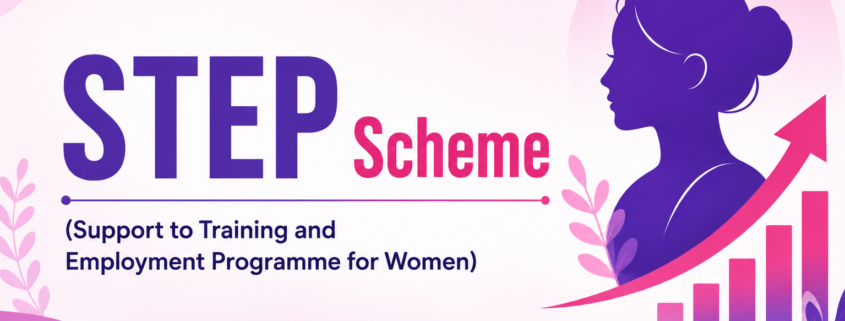
Introduction To Mahila Udyam Nidhi Scheme

Women entrepreneurship has emerged as a major force behind India’s economic growth and social transformation. Across the country, women are successfully establishing businesses in sectors such as manufacturing, retail, services, handicrafts, food processing, technology, and agriculture. Their growing participation in entrepreneurship is not only creating employment opportunities but also contributing significantly to inclusive development.

Despite their capabilities and determination, many aspiring women entrepreneurs still face difficulties in obtaining adequate financial support. Access to credit remains one of the biggest challenges for women who wish to start or expand their businesses. Limited collateral, lack of awareness about financing options, and insufficient access to institutional credit often prevent women from turning their business ideas into successful enterprises.

To address these challenges and promote women-led entrepreneurship, several financial institutions have introduced dedicated schemes for women entrepreneurs. One such important initiative is the Mahila Udyam Nidhi Scheme, which provides financial assistance to women entrepreneurs for setting up new projects, modernization, expansion, and diversification of existing businesses.

The scheme aims to strengthen women’s participation in entrepreneurship by making business financing more accessible and encouraging self-employment and enterprise development.

In this article, we will explore everything about the Mahila Udyam Nidhi Scheme, including its objectives, features, benefits, eligibility criteria, loan facilities, application process, and its role in promoting women entrepreneurship in India.


What is the Mahila Udyam Nidhi Scheme?

The Mahila Udyam Nidhi Scheme (MUNS) is a financial assistance scheme designed to support women entrepreneurs by providing soft loans and credit facilities for establishing and developing small-scale enterprises.

The scheme was introduced by the Small Industries Development Bank of India with the objective of encouraging women-owned businesses and promoting entrepreneurship among women across the country.

The scheme primarily supports:

  • Establishment of new enterprises
  • Expansion of existing businesses
  • Modernization of production facilities
  • Diversification into new products or services
  • Technology upgrades and infrastructure development

The initiative helps reduce financial barriers and enables women to become successful entrepreneurs and job creators.


Why Was the Mahila Udyam Nidhi Scheme Introduced?

Although women are increasingly participating in business activities, they continue to face several obstacles while accessing business finance.

Some common challenges include:

  • Limited access to institutional credit
  • Lack of collateral security
  • Financial dependency
  • Insufficient awareness about business financing
  • Difficulty in obtaining startup capital
  • Limited access to business networks and mentorship

The Mahila Udyam Nidhi Scheme was introduced to bridge these gaps and provide women entrepreneurs with the financial support required to establish and grow their enterprises.

The scheme also aligns with the broader objectives of:

  • Women empowerment
  • Financial inclusion
  • Employment generation
  • MSME development
  • Entrepreneurship promotion
  • Inclusive economic growth

Objectives of the Mahila Udyam Nidhi Scheme

The scheme has several important objectives.

1. Promoting Women Entrepreneurship

The primary objective is to encourage women to establish and manage successful business enterprises.

2. Providing Financial Assistance

The scheme aims to improve access to affordable financing for women entrepreneurs.

3. Supporting Business Expansion

Women-owned enterprises can obtain financial support for modernization, diversification, and expansion activities.

4. Generating Employment Opportunities

Successful women-led enterprises contribute to job creation and local economic development.

5. Promoting Financial Inclusion

The scheme encourages women entrepreneurs to become part of the formal financial ecosystem.

6. Encouraging Self-Reliance

The initiative helps women achieve financial independence and become active contributors to the economy.


Key Features of Mahila Udyam Nidhi Scheme

Financial Assistance for Women Entrepreneurs

The scheme provides soft loans to women entrepreneurs to support:

  • Setting up new projects
  • Expansion of existing businesses
  • Modernization of production units
  • Technology upgrades
  • Diversification into new products and services

Loan Assistance

Under the scheme, eligible women entrepreneurs can avail financial assistance of up to ₹10 lakh, subject to the applicable guidelines and project requirements.

The exact loan amount depends on:

  • Nature of the business
  • Project cost
  • Financial requirements
  • Repayment capacity
  • Lending institution’s policies

Flexible Repayment Period

The scheme generally provides a flexible repayment period, allowing entrepreneurs to repay the loan over several years according to the terms approved by the lending institution.


Support for Small-Scale Industries

The scheme primarily focuses on supporting women involved in:

  • Micro enterprises
  • Small-scale industries
  • Manufacturing units
  • Service enterprises
  • Small business ventures

Encouragement for First-Time Entrepreneurs

The initiative also encourages women who are starting their entrepreneurial journey and require financial support to turn their ideas into successful businesses.


Benefits of Mahila Udyam Nidhi Scheme

1. Easy Access to Finance

Women entrepreneurs can obtain business financing without relying solely on personal savings or informal sources of credit.


2. Financial Independence

The scheme empowers women to establish and manage their own businesses and generate sustainable income.


3. Business Growth Opportunities

Existing businesses can utilize the funds for expansion, modernization, and diversification.


4. Employment Generation

Women-owned enterprises often create employment opportunities for other individuals, particularly in local communities.


5. Increased Confidence and Leadership

Financial support and entrepreneurial success improve confidence and encourage women to become business leaders.


6. Contribution to Economic Development

The growth of women-owned businesses contributes significantly to the country’s economic progress and MSME development.


Who Can Apply for Mahila Udyam Nidhi Scheme?

The scheme primarily targets:

  • Individual women entrepreneurs
  • Women-owned small-scale enterprises
  • Existing women entrepreneurs seeking expansion
  • First-time women business owners
  • Women engaged in manufacturing and service activities

Generally, women should have majority ownership and management control over the enterprise.


Sectors Covered Under the Scheme

The Mahila Udyam Nidhi Scheme supports a broad range of business activities.

Manufacturing Sector

  • Food processing
  • Garment manufacturing
  • Handicrafts
  • Small production units
  • Packaging industries

Service Sector

  • Beauty and wellness businesses
  • Educational services
  • Consultancy services
  • Information technology services
  • Hospitality businesses

Small Business Enterprises

  • Retail businesses
  • Home-based enterprises
  • Professional services
  • Trading activities

Eligibility Criteria for Mahila Udyam Nidhi Scheme

The exact eligibility conditions may vary according to the implementing institution, but generally include:

Gender Requirement

The applicant must be a woman entrepreneur.


Business Ownership

The enterprise should be owned and managed by a woman.


Nature of Enterprise

The applicant should be engaged in or planning to establish an eligible business activity.


Financial Viability

The proposed business project should be financially viable and capable of generating income.


Compliance with Lending Guidelines

Applicants should fulfill all documentation and credit assessment requirements prescribed by the financial institution.


Documents Required for Mahila Udyam Nidhi Scheme

Applicants generally need the following documents:

  • Aadhaar Card
  • PAN Card
  • Identity proof
  • Address proof
  • Passport-size photographs
  • Business plan or project report
  • Business registration documents (if applicable)
  • Income proof
  • Bank account details
  • Quotations for machinery and equipment (if required)

Additional documents may be requested depending on the project and loan amount.


How to Apply for Mahila Udyam Nidhi Scheme

The application process is straightforward and involves the following steps.

Step 1: Prepare a Business Plan

The applicant should prepare a detailed project report explaining:

  • Nature of the business
  • Financial requirements
  • Revenue projections
  • Expansion plans

Step 2: Approach the Lending Institution

Women entrepreneurs can approach participating financial institutions and banks offering the scheme.


Step 3: Submit the Application Form

Provide personal information, business details, and project information.


Step 4: Submit Necessary Documents

Attach all required documents related to identity, business, and financial information.


Step 5: Loan Evaluation

The institution evaluates:

  • Project feasibility
  • Financial viability
  • Creditworthiness
  • Repayment capability

Step 6: Loan Approval and Disbursement

Upon approval, the financial assistance is sanctioned and disbursed according to the terms and conditions.


Challenges Faced by Women Entrepreneurs

Despite various support initiatives, women entrepreneurs still face several challenges.

Lack of Awareness

Many women remain unaware of financing schemes and business support programs.


Limited Financial Literacy

Understanding loan procedures and financial management can be difficult for first-time entrepreneurs.


Market Access Challenges

Small enterprises often struggle to reach larger markets and customers.


Social and Cultural Barriers

Traditional social norms and responsibilities may sometimes limit entrepreneurial participation.

Continuous awareness programs, mentorship, and financial education can help address these challenges.


How Mahila Udyam Nidhi Scheme Supports India’s Vision of Women-Led Development

The Government of India has increasingly emphasized the concept of women-led development, where women become active contributors to economic growth.

The Mahila Udyam Nidhi Scheme contributes to this vision by:

  • Promoting women entrepreneurship
  • Encouraging financial inclusion
  • Supporting MSME development
  • Creating employment opportunities
  • Encouraging self-employment
  • Strengthening local economies

Empowering women entrepreneurs creates a positive impact on families, communities, and the national economy.


How Raiseonic Helps Women Entrepreneurs Understand Government Opportunities

Many women entrepreneurs are unaware of the various government schemes, financial assistance programs, and business funding opportunities available to support their entrepreneurial journey.

At Raiseonic, we simplify government initiatives by providing easy-to-understand guides, practical insights, and expert information on women entrepreneurship schemes, startup funding, MSME support programs, and business financing opportunities.

Whether you are planning to start your first business, expand an existing enterprise, or explore financial assistance options, Raiseonic helps you stay informed and make better business decisions.


Conclusion

The Mahila Udyam Nidhi Scheme is an important initiative that provides financial support and growth opportunities for women entrepreneurs in India. By improving access to business financing and encouraging women-led enterprises, the scheme contributes to financial independence, employment generation, and inclusive economic growth.

As India continues to strengthen its entrepreneurial ecosystem, initiatives like the Mahila Udyam Nidhi Scheme play a crucial role in empowering women to become successful business owners and active contributors to the nation’s economic development.

For the latest updates on government schemes, women entrepreneurship initiatives, business loans, subsidies, and financial assistance programs, stay connected with Raiseonic—your trusted source for simplified government scheme information and guidance.
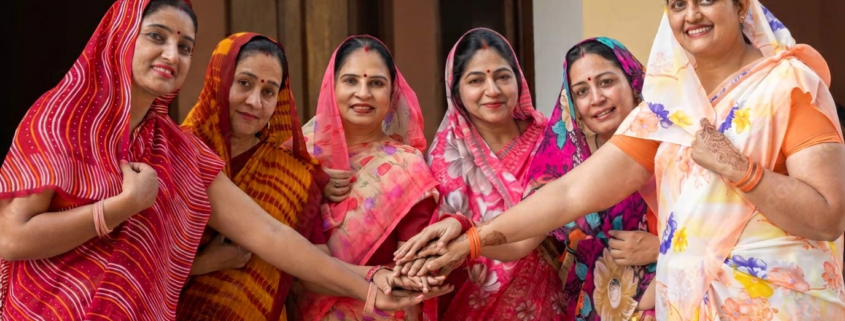
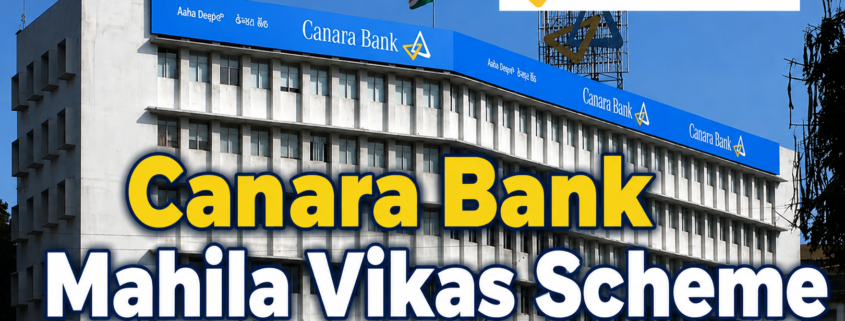
Introduction To Canara Bank Mahila Vikas Scheme

Women entrepreneurship is playing an increasingly important role in India’s economic growth and social transformation. Across the country, women are successfully managing businesses in sectors such as retail, manufacturing, services, agriculture, handicrafts, and technology. However, despite their capabilities and determination, many women still face challenges in accessing formal credit, securing capital, and obtaining financial support to start or expand their businesses.

Limited financial resources, lack of collateral, and insufficient awareness about business financing options often discourage aspiring women entrepreneurs from pursuing their entrepreneurial dreams. To address these challenges and encourage women-led businesses, several banks and financial institutions have introduced dedicated schemes to support women entrepreneurs.

One such initiative is the Canara Bank Mahila Vikas Scheme, which aims to provide financial assistance and business support to women entrepreneurs by facilitating loans at attractive terms and encouraging self-employment and enterprise development.

The scheme is designed to empower women by helping them establish, expand, and modernize their businesses while promoting financial independence and inclusive economic growth.

In this article, we will explore everything about the Canara Bank Mahila Vikas Scheme, including its objectives, features, benefits, eligibility criteria, loan facilities, application process, and its role in promoting women entrepreneurship in India.


What is the Canara Bank Mahila Vikas Scheme?

The Canara Bank Mahila Vikas Scheme is a financial assistance program offered by Canara Bank to encourage women entrepreneurship and support women-owned enterprises.

The scheme provides credit facilities to women entrepreneurs for starting new businesses, expanding existing enterprises, purchasing equipment, and meeting working capital requirements.

The scheme aims to:

  • Promote self-employment among women
  • Encourage women-led businesses
  • Improve financial inclusion
  • Support micro and small enterprises
  • Strengthen women entrepreneurship in urban and rural areas

Through this initiative, Canara Bank seeks to create opportunities for women to become financially independent and active contributors to economic development.


Why Was the Canara Bank Mahila Vikas Scheme Introduced?

Although women are increasingly entering the business world, many continue to face barriers in obtaining institutional finance.

Some common challenges faced by women entrepreneurs include:

  • Limited access to business loans
  • Lack of collateral security
  • Insufficient awareness of banking products
  • Limited financial literacy
  • Difficulty in obtaining startup capital
  • Restricted access to formal credit systems

The Canara Bank Mahila Vikas Scheme was introduced to address these issues and create a supportive financial environment for women entrepreneurs.

The initiative also aligns with the broader objectives of:

  • Women empowerment
  • Financial inclusion
  • Employment generation
  • Entrepreneurship development
  • Inclusive economic growth
  • Rural and urban enterprise development

Objectives of Canara Bank Mahila Vikas Scheme

The scheme has several important objectives.

1. Promoting Women Entrepreneurship

The primary objective is to encourage women to establish and manage successful business enterprises.

2. Providing Financial Assistance

The scheme facilitates access to credit for business establishment and expansion.

3. Encouraging Self-Employment

Women can create their own income-generating opportunities and become financially independent.

4. Supporting Small Businesses

The scheme strengthens micro and small enterprises owned and managed by women.

5. Promoting Financial Inclusion

The initiative helps bring more women into the formal banking system.

6. Creating Employment Opportunities

Women-led enterprises contribute to job creation and local economic development.


Key Features of Canara Bank Mahila Vikas Scheme

Business Loan Facilities

The scheme provides financial assistance to eligible women entrepreneurs for:

  • Starting a new business
  • Expanding an existing enterprise
  • Purchasing machinery and equipment
  • Meeting working capital requirements
  • Modernizing business operations

The loan amount and terms may vary depending on the nature of the business and the bank’s prevailing guidelines.


Support for Various Business Activities

The scheme supports women entrepreneurs engaged in:

  • Manufacturing activities
  • Trading businesses
  • Service enterprises
  • Agriculture-related businesses
  • Cottage industries
  • Small-scale industries
  • Retail establishments
  • Professional services

Flexible Repayment Options

The scheme generally offers repayment periods that are suitable for business operations and cash flow requirements.


Financial Guidance and Support

Women entrepreneurs may receive assistance regarding:

  • Business planning
  • Project preparation
  • Financial management
  • Credit requirements

This guidance helps women make informed business decisions.


Benefits of Canara Bank Mahila Vikas Scheme

1. Easy Access to Business Finance

The scheme provides women entrepreneurs with access to formal credit facilities that may otherwise be difficult to obtain.


2. Financial Independence

Women can establish their own enterprises and generate sustainable income.


3. Business Expansion Opportunities

Existing businesses can use the financial assistance to grow operations and improve productivity.


4. Employment Generation

Women-owned enterprises create employment opportunities within local communities.


5. Increased Confidence and Leadership

Financial independence improves confidence and encourages women to participate actively in economic and social decision-making.


6. Promotion of Women-Led Development

The scheme contributes to creating an entrepreneurial ecosystem where women become business leaders and job creators.


Who Can Apply for Canara Bank Mahila Vikas Scheme?

The scheme primarily benefits:

  • Individual women entrepreneurs
  • Women-owned micro enterprises
  • Women-owned small businesses
  • Self-employed women professionals
  • Women involved in manufacturing, trading, and service activities

In many cases, women should have a majority ownership and management role in the business enterprise.


Sectors Covered Under the Scheme

The Canara Bank Mahila Vikas Scheme supports various sectors.

Manufacturing Sector

  • Food processing
  • Garment manufacturing
  • Handicrafts
  • Small production units
  • Packaging businesses

Trading Sector

  • Retail stores
  • Wholesale businesses
  • Grocery shops
  • Consumer goods trading

Service Sector

  • Beauty salons
  • Educational services
  • Consultancy services
  • Digital services
  • Hospitality businesses

Agriculture and Allied Activities

  • Dairy farming
  • Poultry farming
  • Food processing
  • Agricultural enterprises

Eligibility Criteria for Canara Bank Mahila Vikas Scheme

Although specific conditions may vary according to the bank’s policies and the type of loan, the general eligibility conditions include:

Gender Requirement

The applicant should be a woman entrepreneur.


Business Ownership

The enterprise should generally be owned and managed by a woman.


Business Activity

The applicant should be engaged in or planning to start an eligible income-generating activity.


Creditworthiness

Applicants should meet the bank’s credit assessment and documentation requirements.


Compliance with Bank Guidelines

The applicant should fulfill all conditions prescribed by Canara Bank for the specific loan product.


Documents Required for Canara Bank Mahila Vikas Scheme

Applicants generally need the following documents:

  • Aadhaar Card
  • PAN Card
  • Identity proof
  • Address proof
  • Passport-size photographs
  • Business plan or project report
  • Business registration documents (if applicable)
  • Bank account details
  • Income proof
  • Quotations for machinery or equipment (if required)

Additional documents may be requested depending on the loan amount and nature of the business.


How to Apply for Canara Bank Mahila Vikas Scheme

The application process is simple and can be completed through Canara Bank branches.

Step 1: Prepare a Business Plan

Applicants should prepare a detailed business proposal that includes:

  • Nature of the business
  • Financial requirements
  • Revenue projections
  • Operational plans

Step 2: Visit the Nearest Canara Bank Branch

Women entrepreneurs can approach their nearest Canara Bank branch and discuss suitable financing options.


Step 3: Submit the Application Form

Provide all required personal and business information.


Step 4: Submit Necessary Documents

Attach all supporting documents for identity verification and business assessment.


Step 5: Loan Assessment

The bank evaluates:

  • Business feasibility
  • Financial requirements
  • Repayment capacity
  • Applicant’s eligibility

Step 6: Loan Sanction and Disbursement

Upon successful approval, the loan amount is sanctioned and disbursed according to the terms and conditions of the bank.


Challenges Faced by Women Entrepreneurs

Despite various financial initiatives, women entrepreneurs still face several challenges.

Lack of Awareness

Many women remain unaware of banking schemes and business financing opportunities.


Limited Financial Literacy

Understanding financial management and loan procedures can be difficult for first-time entrepreneurs.


Market Access Challenges

Small businesses often struggle to access larger markets and customer bases.


Social Barriers

Traditional social norms and family responsibilities may sometimes limit women’s participation in entrepreneurship.

Continued awareness, mentorship, and financial education can help overcome these challenges.


How Canara Bank Mahila Vikas Scheme Supports India’s Vision of Women-Led Development

The Government of India has increasingly emphasized the concept of women-led development, where women become active contributors to economic progress.

The Canara Bank Mahila Vikas Scheme contributes to this vision by:

  • Promoting women entrepreneurship
  • Improving financial inclusion
  • Creating employment opportunities
  • Supporting small enterprises
  • Encouraging self-employment
  • Strengthening local economies

Empowering women entrepreneurs creates long-term economic and social benefits for families and communities.


How Raiseonic Helps Women Entrepreneurs Understand Government and Banking Opportunities

Many women entrepreneurs are unaware of the various financial assistance programs, government schemes, and banking initiatives available to support their businesses.

At Raiseonic, we simplify complex schemes and financial products by providing easy-to-understand guides, practical insights, and expert information on entrepreneurship, startup funding, business loans, and government opportunities.

Whether you are planning to launch your first business, expand an existing enterprise, or explore financial assistance options, Raiseonic helps you stay informed and make confident business decisions.


Conclusion

The Canara Bank Mahila Vikas Scheme is an important initiative that supports women entrepreneurs by providing financial assistance and encouraging self-employment and enterprise development.

By improving access to formal credit and empowering women to establish and expand their businesses, the scheme contributes to financial inclusion, employment generation, and women-led economic growth.

As India continues to promote entrepreneurship and inclusive development, initiatives like the Canara Bank Mahila Vikas Scheme play a vital role in helping women achieve financial independence and become successful business leaders.

For the latest updates on government schemes, business loans, women entrepreneurship initiatives, subsidies, and financial assistance programs, stay connected with Raiseonic—your trusted source for simplified government scheme information and guidance.
Introduction To Udyogini Scheme

Women entrepreneurship has emerged as one of the strongest drivers of economic growth and social development in India. From running small businesses and home-based enterprises to leading startups and manufacturing units, women are increasingly becoming active contributors to the country’s economy. However, despite their potential and determination, many aspiring women entrepreneurs continue to face significant challenges, particularly in accessing finance, business training, and entrepreneurial support.

Lack of capital often prevents talented women from turning their business ideas into reality. Many women, especially those from economically weaker sections and rural areas, struggle to obtain formal loans due to limited collateral, insufficient financial literacy, or lack of awareness about government support programs.

To address these challenges and encourage women-led entrepreneurship, the Government introduced the Udyogini Scheme. The scheme aims to empower women by providing financial assistance, subsidized loans, and entrepreneurial support to help them establish and expand small businesses.

The Udyogini Scheme is a significant initiative that promotes financial independence, self-employment, and economic empowerment among women, particularly those belonging to underprivileged sections of society.

In this article, we will explore everything about the Udyogini Scheme, including its objectives, benefits, eligibility criteria, loan features, application process, and its role in strengthening women entrepreneurship in India.


What is the Udyogini Scheme?

The Udyogini Scheme is a women entrepreneurship development initiative designed to provide financial support to women who wish to start or expand their businesses. The scheme focuses on promoting self-employment opportunities by offering loans, subsidies, and support services to women entrepreneurs.

The primary objective of the scheme is to encourage women to become financially independent and create sustainable livelihoods through small business ventures.

The scheme particularly benefits:

  • Women from economically weaker sections
  • Rural women entrepreneurs
  • Women belonging to Scheduled Castes (SC) and Scheduled Tribes (ST)
  • Widows and differently-abled women
  • First-time entrepreneurs
  • Women engaged in micro and small enterprises

By reducing financial barriers, the scheme helps women participate more actively in economic activities and contribute to family and community development.


Why Was the Udyogini Scheme Introduced?

Although women possess immense entrepreneurial potential, many face difficulties in obtaining business financing and technical support.

Some common challenges include:

  • Limited access to institutional credit
  • Lack of collateral for loans
  • Financial dependency
  • Low awareness about business opportunities
  • Limited entrepreneurial skills
  • Restricted access to markets and business networks

The Udyogini Scheme was introduced to address these issues and create an enabling environment where women can confidently start and manage their own enterprises.

The scheme also aligns with the government’s broader vision of:

  • Women empowerment
  • Financial inclusion
  • Employment generation
  • Poverty reduction
  • Rural development
  • Inclusive economic growth

Objectives of the Udyogini Scheme

The scheme has several important objectives.

1. Promoting Women Entrepreneurship

The primary objective is to encourage women to become entrepreneurs and establish their own businesses.

2. Providing Financial Assistance

The scheme facilitates access to affordable credit and financial support.

3. Encouraging Self-Employment

Women can create their own livelihood opportunities and become financially independent.

4. Reducing Poverty

By increasing income-generating opportunities, the scheme contributes to poverty reduction and economic stability.

5. Strengthening Financial Inclusion

The initiative encourages women to become part of the formal financial system.

6. Supporting Rural Development

The scheme promotes entrepreneurship in rural and semi-urban areas, contributing to local economic growth.


Key Features of the Udyogini Scheme

Financial Assistance for Women Entrepreneurs

One of the biggest advantages of the Udyogini Scheme is that it provides financial support to women who wish to start small businesses.

The assistance may include:

  • Business loans
  • Subsidized credit
  • Entrepreneurship support
  • Financial guidance

The exact loan amount and subsidy benefits may vary according to implementing agencies and applicable guidelines.


Support for Multiple Business Activities

The scheme supports a wide variety of small and micro-enterprises, including:

  • Tailoring and garment making
  • Beauty parlors
  • Food processing
  • Dairy farming
  • Retail stores
  • Handicrafts
  • Small manufacturing units
  • Agricultural allied activities
  • Service-based businesses

This flexibility allows women to choose businesses according to their skills and local market demand.


Special Focus on Economically Weaker Women

The scheme particularly aims to support women from:

  • Low-income families
  • Rural communities
  • Scheduled Castes (SC)
  • Scheduled Tribes (ST)
  • Differently-abled categories
  • Widowed women

Entrepreneurship Development

In addition to financial assistance, women may also receive:

  • Business guidance
  • Skill development support
  • Financial literacy
  • Entrepreneurial training

These services help women establish and manage sustainable enterprises.


Benefits of Udyogini Scheme

1. Financial Independence

The scheme empowers women to generate their own income and become financially self-reliant.


2. Employment Generation

Women-led enterprises often create employment opportunities for others within their communities.


3. Improved Standard of Living

Higher income enables women and their families to spend more on:

  • Education
  • Healthcare
  • Housing
  • Nutrition
  • Savings and investments

4. Encouragement for First-Time Entrepreneurs

The scheme provides an opportunity for women who wish to start their entrepreneurial journey but lack financial resources.


5. Reduction in Economic Dependency

Women can contribute to household income and participate more actively in financial decision-making.


6. Promotion of Inclusive Growth

The initiative helps ensure that women from underserved communities have access to economic opportunities.


Eligibility Criteria for Udyogini Scheme

The eligibility conditions may vary slightly depending on the implementing authority, but generally include:

Gender Requirement

The applicant must be a woman.


Age Criteria

Women between certain age groups, generally ranging from 18 to 55 years, may be eligible depending on the specific guidelines.


Income Criteria

Preference is often given to women belonging to economically weaker sections or those meeting prescribed income limits.


Business Requirement

The applicant should intend to establish or expand a small business or self-employment activity.


Priority Categories

Special preference may be provided to:

  • Widows
  • Differently-abled women
  • SC/ST women
  • Women from rural areas
  • Women from low-income families

Sectors Covered Under the Udyogini Scheme

The scheme supports a broad range of income-generating activities.

Manufacturing Activities

  • Tailoring units
  • Handicrafts
  • Food processing
  • Small production units

Service Sector Activities

  • Beauty parlors
  • Tuition centers
  • Catering services
  • Digital services

Trading Activities

  • Grocery shops
  • Retail businesses
  • Small commercial establishments

Agriculture and Allied Activities

  • Dairy farming
  • Poultry farming
  • Goat rearing
  • Floriculture
  • Nursery businesses

Documents Required for Udyogini Scheme

Applicants generally need the following documents:

  • Aadhaar Card
  • PAN Card
  • Identity proof
  • Address proof
  • Income certificate
  • Caste certificate (if applicable)
  • Business plan or project report
  • Bank account details
  • Passport-size photographs

Additional documents may be required depending on the implementing institution.


How to Apply for Udyogini Scheme

The application process is generally simple and accessible.

Step 1: Verify Eligibility

Applicants should confirm that they meet the eligibility conditions prescribed under the scheme.


Step 2: Prepare a Business Proposal

A simple project report or business plan outlining the proposed business activity and financial requirements may be required.


Step 3: Approach the Implementing Institution

Applications can generally be submitted through:

  • Participating banks
  • State women development corporations
  • Government agencies
  • Authorized financial institutions

Step 4: Submit Documents

Provide all necessary identity, income, and business-related documents.


Step 5: Verification and Approval

The concerned authority evaluates the application and approves eligible cases.


Step 6: Loan Sanction and Disbursement

Upon approval, the financial assistance is released according to the applicable guidelines.


Challenges Faced by Women Entrepreneurs

Despite various support schemes, women entrepreneurs continue to face certain challenges.

Limited Financial Awareness

Many women are unaware of government schemes and financing opportunities.


Lack of Business Training

Entrepreneurial success often requires skills in marketing, finance, and business management.


Limited Market Access

Small businesses sometimes struggle to reach larger markets and customers.


Social and Cultural Barriers

In some areas, traditional social norms may limit women’s participation in entrepreneurial activities.

Continued awareness campaigns, mentorship, and capacity-building initiatives can help overcome these barriers.


How Udyogini Scheme Supports India’s Vision of Women-Led Development

The Government of India has increasingly emphasized the idea of women-led development, where women become active participants in economic growth.

The Udyogini Scheme contributes to this vision by:

  • Promoting women entrepreneurship
  • Increasing financial inclusion
  • Creating self-employment opportunities
  • Strengthening rural economies
  • Reducing poverty
  • Encouraging economic independence

Empowering women entrepreneurs creates a multiplier effect that benefits families, communities, and the nation.


How Raiseonic Helps Women Entrepreneurs Understand Government Opportunities

Many women remain unaware of the various government schemes and financial assistance programs available for entrepreneurship and self-employment.

At Raiseonic, we simplify complex government initiatives by providing easy-to-understand guides, expert insights, and regular updates on women empowerment schemes, startup funding opportunities, business loans, subsidies, and entrepreneurship programs.

Whether you are planning to start your first business, expand an existing enterprise, or explore government support programs, Raiseonic helps you stay informed and make better business decisions.


Conclusion

The Udyogini Scheme is an important initiative that promotes women entrepreneurship and financial independence by providing access to business financing and self-employment opportunities.

By reducing financial barriers and encouraging entrepreneurship among women, particularly those from economically weaker sections, the scheme contributes to inclusive growth and women-led development.

As India continues to strengthen its entrepreneurial ecosystem, initiatives like the Udyogini Scheme play a vital role in creating opportunities for women to become successful entrepreneurs, job creators, and leaders of economic transformation.

For the latest updates on government schemes, women entrepreneurship initiatives, business loans, subsidies, and financial assistance programs, stay connected with Raiseonic—your trusted source for simplified government scheme information and guidance.
Introduction To Beti Bachao Beti Padhao

A nation’s progress depends significantly on the status of its women and girls. Educated, empowered, and healthy women contribute not only to their families but also to the economic and social development of the entire country. However, for many years, India faced serious challenges related to gender discrimination, declining child sex ratios, limited access to education for girls, and societal barriers that restricted opportunities for daughters.

Issues such as gender-biased sex selection, unequal access to education, early marriage, and discrimination against girls highlighted the urgent need for a nationwide movement that could change mindsets and create a more inclusive society.

To address these concerns and ensure that every girl child receives equal opportunities, the Government of India launched the Beti Bachao Beti Padhao (BBBP) initiative. The campaign aims to protect, educate, and empower girls by addressing gender inequality and promoting the value of daughters in society.

Since its launch, Beti Bachao Beti Padhao has become one of India’s most significant social campaigns, creating awareness about the importance of the girl child and encouraging communities to invest in their daughters’ education and future.

In this article, we will explore everything about Beti Bachao Beti Padhao, including its objectives, features, benefits, implementation strategy, achievements, and its role in shaping a more gender-equal India.


What is Beti Bachao Beti Padhao?

Beti Bachao Beti Padhao (BBBP) is a flagship initiative of the Government of India launched on 22 January 2015 with the objective of addressing issues related to the declining Child Sex Ratio (CSR) and promoting the education and empowerment of girls.

The initiative was launched as a collaborative effort of:

  • Ministry of Women and Child Development
  • Ministry of Education
  • Ministry of Health and Family Welfare

The campaign focuses on changing societal attitudes toward daughters and ensuring that girls have equal access to education, healthcare, and opportunities for growth.

The slogan of the initiative, “Save the Daughter, Educate the Daughter,” reflects its dual objective of protecting the girl child and empowering her through education.


Why Was Beti Bachao Beti Padhao Introduced?

India has made remarkable progress in many sectors, but gender inequality remained a significant concern in several parts of the country.

Some major challenges that led to the introduction of BBBP include:

  • Declining child sex ratio
  • Gender-biased sex selection practices
  • Discrimination against girl children
  • Lower school enrollment among girls
  • Early marriage and social barriers
  • Limited educational and career opportunities
  • Gender stereotypes and unequal treatment

The Government recognized that sustainable development is impossible without ensuring equal opportunities for girls and women.

Beti Bachao Beti Padhao was introduced as a national movement to encourage communities, families, and institutions to value daughters and invest in their future.


Objectives of Beti Bachao Beti Padhao

The initiative has several important objectives.

1. Prevent Gender-Biased Sex Selection

One of the primary objectives is to address the issue of declining child sex ratio and prevent discriminatory practices against girls.

2. Ensure Survival and Protection of Girls

The initiative aims to improve the health, safety, and overall well-being of girl children.

3. Promote Education of Girls

Ensuring equal access to education for girls is one of the central goals of the campaign.

4. Empower Girls to Achieve Their Potential

The initiative seeks to create an environment where girls can pursue education, careers, and leadership opportunities.

5. Change Social Mindsets

The campaign encourages society to recognize the value and importance of daughters.


Key Components of Beti Bachao Beti Padhao

The BBBP initiative operates through three major pillars:

Advocacy and Awareness Campaigns

Large-scale awareness campaigns are conducted to educate communities about:

  • Importance of girl children
  • Gender equality
  • Education for girls
  • Prevention of gender discrimination
  • Women empowerment

These campaigns aim to bring long-term behavioral and social change.


Multi-Sectoral Interventions

The initiative brings together various government departments and local institutions to improve:

  • Health services
  • Nutrition
  • Education
  • Safety and protection of girls
  • Community participation

This integrated approach ensures that girls receive support at multiple levels.


Community Participation

Community involvement plays a vital role in the success of BBBP.

The initiative encourages participation from:

  • Parents
  • Teachers
  • Local governments
  • Women’s groups
  • NGOs
  • Community leaders
  • Educational institutions

The objective is to make gender equality a collective responsibility.


Key Features of Beti Bachao Beti Padhao

Nationwide Campaign

The initiative is implemented across the country through awareness activities, community outreach, and government programs.


Focus on Girl Child Education

Special emphasis is placed on increasing school enrollment and reducing dropout rates among girls.


Promoting Gender Equality

The campaign seeks to eliminate stereotypes and encourage equal opportunities for girls and boys.


Encouraging Financial Security for Girls

The initiative also promotes awareness about schemes that support the welfare and education of girls, including:

  • Sukanya Samriddhi Yojana
  • Scholarship schemes
  • Skill development initiatives
  • Educational support programs

Collaboration Between Multiple Ministries

The combined efforts of different ministries strengthen the implementation and effectiveness of the initiative.


Benefits of Beti Bachao Beti Padhao

1. Improved Awareness About Gender Equality

The campaign has helped create nationwide awareness regarding the importance of girls and women’s rights.


2. Increased School Enrollment of Girls

Many regions have witnessed improvements in the enrollment and retention of girls in schools.


3. Better Access to Opportunities

The initiative encourages families to support girls in pursuing education and careers.


4. Improved Social Status of Women

By promoting gender equality, the campaign contributes to improving the position of women in society.


5. Reduction in Discriminatory Practices

Continuous awareness campaigns help challenge traditional biases and encourage positive social change.


6. Greater Community Participation

Communities increasingly recognize the importance of investing in daughters and supporting their aspirations.


Major Areas of Focus Under BBBP

The campaign focuses on several important areas.

Education

  • Increasing school enrollment
  • Reducing dropout rates
  • Encouraging higher education for girls

Health and Nutrition

  • Improving maternal and child healthcare
  • Promoting proper nutrition
  • Ensuring healthcare accessibility

Safety and Protection

  • Creating awareness regarding child protection
  • Preventing child marriage
  • Encouraging safe environments for girls

Economic Empowerment

  • Promoting financial literacy
  • Encouraging skill development
  • Supporting entrepreneurship opportunities for women

Achievements of Beti Bachao Beti Padhao

Since its launch, the initiative has contributed significantly toward improving awareness regarding gender equality and girl child education.

Some notable achievements include:

  • Increased public awareness about the value of daughters
  • Greater focus on girls’ education
  • Improved community participation
  • Stronger support for women empowerment initiatives
  • Increased adoption of girl child welfare schemes

While challenges remain, BBBP has played an important role in changing societal attitudes and encouraging positive behavioral change.


Challenges That Still Need Attention

Despite considerable progress, several challenges continue to exist.

Gender Stereotypes

Deep-rooted social attitudes still affect opportunities available to girls in certain regions.


School Dropout Rates

Economic and social factors continue to contribute to school dropouts among girls.


Early Marriage

In some areas, early marriage remains a challenge that limits educational opportunities.


Digital and Economic Gaps

Access to digital education and financial resources continues to differ across regions and communities.

Addressing these challenges requires continued efforts from governments, communities, educational institutions, and families.


How Beti Bachao Beti Padhao Supports India’s Vision of Women-Led Development

The Government of India has increasingly emphasized the concept of women-led development, where women become active participants and leaders in economic and social progress.

BBBP contributes to this vision by:

  • Promoting equal educational opportunities
  • Encouraging leadership among girls
  • Improving financial inclusion
  • Supporting women’s empowerment initiatives
  • Strengthening human capital development
  • Creating a more inclusive society

The campaign recognizes that empowering girls today creates stronger families, communities, and economies tomorrow.


Role of Parents and Society in the Success of BBBP

Government initiatives alone cannot create lasting social change. The success of Beti Bachao Beti Padhao also depends on:

  • Encouraging girls’ education
  • Supporting career aspirations
  • Providing equal opportunities
  • Challenging gender stereotypes
  • Creating safe and supportive environments

When families and communities invest in their daughters, the entire society benefits.


How Raiseonic Helps You Stay Updated on Government Schemes

Many citizens remain unaware of the various government initiatives designed to support women empowerment, education, entrepreneurship, and financial inclusion.

At Raiseonic, we simplify government schemes by providing easy-to-understand guides, expert insights, and regular updates on welfare programs, financial opportunities, startup initiatives, and social development schemes.

Whether you are looking for information about education schemes, women entrepreneurship initiatives, scholarships, financial assistance programs, or social welfare benefits, Raiseonic helps you stay informed and make better decisions.


Conclusion

The Beti Bachao Beti Padhao (BBBP) initiative is much more than a government campaign—it is a nationwide movement aimed at transforming societal attitudes and creating equal opportunities for every girl child in India.

By focusing on protection, education, and empowerment, the initiative is helping build a future where daughters are valued, educated, and encouraged to achieve their full potential.

As India moves toward inclusive and sustainable development, empowering girls remains one of the most important investments the nation can make. The success of Beti Bachao Beti Padhao demonstrates that when girls are given opportunities to learn, grow, and lead, they become powerful agents of change.

For the latest updates on government schemes, women empowerment initiatives, education programs, and financial opportunities, stay connected with Raiseonic—your trusted source for simplified government scheme information and guidance.
Introduction To Stand-Up India Scheme

Entrepreneurship plays a crucial role in driving economic growth, creating employment opportunities, and fostering innovation. In India, the startup ecosystem has expanded rapidly over the last decade, with thousands of individuals turning their ideas into successful businesses. However, access to finance remains one of the biggest challenges for aspiring entrepreneurs, particularly women and individuals belonging to Scheduled Castes (SC) and Scheduled Tribes (ST).

Many talented entrepreneurs struggle to start or expand their businesses due to insufficient capital, lack of collateral, and limited access to formal credit. Recognizing these challenges, the Government of India launched the Stand-Up India Scheme to promote entrepreneurship among underrepresented sections of society.

The scheme aims to facilitate bank loans to women entrepreneurs and SC/ST entrepreneurs for establishing greenfield enterprises in manufacturing, services, trading, and allied agricultural sectors. By improving access to finance and providing handholding support, the initiative seeks to create a more inclusive entrepreneurial ecosystem and encourage self-employment across the country.

In this article, we will explore everything about the Stand-Up India Scheme, including its objectives, benefits, eligibility criteria, loan features, application process, and its role in strengthening India’s startup and MSME ecosystem.


What is the Stand-Up India Scheme?

The Stand-Up India Scheme was launched by the Government of India on 5 April 2016 with the objective of promoting entrepreneurship among women and SC/ST communities.

Under the scheme, every scheduled commercial bank branch is encouraged to provide loans to at least:

  • One Scheduled Caste (SC) or Scheduled Tribe (ST) borrower, and
  • One woman entrepreneur.

The scheme facilitates bank loans ranging from ₹10 lakh to ₹1 crore for setting up greenfield enterprises, meaning new businesses that are being established for the first time.

The initiative is implemented by the Department of Financial Services, Ministry of Finance, and supported through the Stand-Up India portal and various handholding agencies.


Why Was the Stand-Up India Scheme Introduced?

Despite significant economic progress, women and entrepreneurs from SC/ST communities often face barriers when trying to establish businesses.

Some common challenges include:

  • Limited access to institutional credit
  • Lack of collateral for obtaining loans
  • Limited financial literacy
  • Lack of mentorship and business guidance
  • Difficulty in preparing business plans
  • Lower participation in entrepreneurship activities

The Stand-Up India Scheme was introduced to bridge these gaps and create opportunities for aspiring entrepreneurs who may otherwise struggle to access formal financing.

The scheme also aligns with the government’s vision of:

  • Inclusive economic growth
  • Financial empowerment
  • Job creation
  • Women-led development
  • Promotion of entrepreneurship among marginalized communities

Objectives of the Stand-Up India Scheme

The scheme has several important objectives.

1. Promoting Entrepreneurship

The primary objective is to encourage entrepreneurship among women and SC/ST communities.

2. Improving Access to Finance

The scheme facilitates easier access to bank loans for establishing new enterprises.

3. Creating Employment Opportunities

New businesses established under the scheme contribute to job creation and economic development.

4. Supporting Financial Inclusion

The initiative helps bring more entrepreneurs into the formal banking and financial system.

5. Strengthening the MSME Ecosystem

The scheme encourages the growth of micro, small, and medium enterprises across India.


Key Features of the Stand-Up India Scheme

Loan Amount

Eligible entrepreneurs can obtain loans ranging from:

₹10 lakh to ₹1 crore

The loan amount depends on the nature, scale, and financial requirements of the proposed business.


Greenfield Enterprise Requirement

The scheme supports only greenfield projects, meaning the business should be a new venture and not an existing enterprise.

The applicant should be entering the business activity for the first time.


Composite Loan Facility

The loan includes both:

  • Term loan
  • Working capital component

This helps entrepreneurs meet both setup and operational expenses.


Margin Money Requirement

The borrower may be required to contribute a certain percentage of the project cost as margin money. Government schemes and subsidies can sometimes be used to meet part of this requirement, subject to applicable guidelines.


Repayment Period

The repayment period can extend up to 7 years, with a possible moratorium period as per bank policies and scheme guidelines.


Credit Guarantee Support

Loans under the scheme may be covered under the Credit Guarantee Fund for Stand-Up India Scheme (CGFSI), reducing the risk for lending institutions.


Eligibility Criteria for Stand-Up India Scheme

To avail benefits under the scheme, applicants must fulfill certain conditions.

For Individual Entrepreneurs

The applicant must be:

  • A woman entrepreneur, or
  • A Scheduled Caste (SC) entrepreneur, or
  • A Scheduled Tribe (ST) entrepreneur.

Age Requirement

The applicant should generally be:

18 years or above.


Greenfield Enterprise

The business should be a new enterprise and should not have been previously established by the applicant.


Non-Individual Enterprises

In the case of partnerships or companies:

  • At least 51% of the shareholding and controlling stake must be held by a woman or SC/ST entrepreneur.

Credit History

Applicants should not be in default with any bank or financial institution.


Sectors Covered Under the Scheme

The Stand-Up India Scheme supports greenfield enterprises in the following sectors:

Manufacturing

Businesses involved in producing goods and products.


Services

Service-based enterprises such as education, healthcare, consultancy, hospitality, and technology services.


Trading

Businesses involved in buying and selling goods.


Allied Agricultural Activities

Certain activities related to agriculture and rural enterprises may also be covered under the scheme.


Benefits of Stand-Up India Scheme

1. Access to Formal Credit

The scheme enables aspiring entrepreneurs to access institutional financing that may otherwise be difficult to obtain.


2. Encouragement for First-Time Entrepreneurs

The focus on greenfield enterprises encourages new entrepreneurs to pursue their business ideas.


3. Women Empowerment

The initiative significantly promotes women entrepreneurship and economic participation.


4. Social Inclusion

By focusing on SC/ST entrepreneurs, the scheme contributes to inclusive economic development.


5. Employment Generation

Businesses established under the scheme create jobs and contribute to local economic growth.


6. Entrepreneurial Ecosystem Development

The scheme strengthens India’s startup and MSME ecosystem by increasing the number of formal enterprises.


Handholding Support Under Stand-Up India

One of the unique features of the scheme is the availability of handholding support.

Entrepreneurs may receive assistance in:

  • Preparing project reports
  • Skill development and training
  • Financial literacy
  • Registration processes
  • Market linkages
  • Business guidance and mentorship

This support is particularly valuable for first-time business owners.


Documents Required for Stand-Up India Scheme

Applicants generally require:

  • Aadhaar Card
  • PAN Card
  • Identity proof
  • Address proof
  • Caste certificate (for SC/ST applicants)
  • Business plan or project report
  • Bank account details
  • Educational qualifications (if applicable)
  • Financial statements and estimates
  • Additional documents requested by the lending institution

Document requirements may vary depending on the bank and nature of the business.


How to Apply for Stand-Up India Scheme

The application process can be completed online or through participating banks.

Step 1: Prepare a Business Plan

Applicants should prepare a clear project report outlining:

  • Business idea
  • Investment requirements
  • Revenue projections
  • Operational plans

Step 2: Visit the Stand-Up India Portal or Bank

Applicants can approach:

  • Scheduled commercial banks
  • Stand-Up India portal
  • Lead district offices
  • Entrepreneurship support agencies

Step 3: Submit the Application

Provide personal details, business information, and upload the required documents.


Step 4: Loan Assessment

The bank evaluates:

  • Project feasibility
  • Applicant eligibility
  • Financial requirements
  • Repayment capacity

Step 5: Loan Sanction and Disbursement

Upon approval, the loan amount is sanctioned and disbursed according to the project requirements.


Challenges Faced by Entrepreneurs

Although the scheme has created numerous opportunities, some challenges still exist.

Lack of Awareness

Many eligible entrepreneurs remain unaware of the scheme and its benefits.


Business Planning Difficulties

First-time entrepreneurs may struggle to prepare project reports and financial estimates.


Market Competition

New businesses often face challenges related to market access and customer acquisition.


Financial Management

Managing cash flow and business finances requires continuous learning and support.

Increasing awareness, mentorship, and training can further strengthen the impact of the scheme.


How Stand-Up India Supports India’s Vision of Inclusive Growth

The Stand-Up India Scheme is a major step toward creating an inclusive and equitable entrepreneurial ecosystem.

The scheme contributes by:

  • Promoting women-led development
  • Supporting marginalized communities
  • Creating employment opportunities
  • Strengthening MSMEs
  • Encouraging self-employment
  • Expanding financial inclusion
  • Driving local economic growth

By empowering aspiring entrepreneurs, the scheme helps transform innovative ideas into sustainable enterprises.


How Raiseonic Helps Entrepreneurs Understand Government Opportunities

Government schemes often involve multiple eligibility conditions, documentation requirements, and application procedures that can be difficult to understand.

At Raiseonic, we simplify government initiatives by providing easy-to-understand guides, practical insights, and expert information on startup schemes, business funding, subsidies, loans, and entrepreneurship opportunities.

Whether you are planning to launch your first business, expand an existing enterprise, or explore government support programs, Raiseonic helps you stay informed and make better business decisions.


Conclusion

The Stand-Up India Scheme is a transformative initiative that aims to empower women and SC/ST entrepreneurs by improving access to formal financing and promoting entrepreneurship.

By providing loans ranging from ₹10 lakh to ₹1 crore, along with handholding support and credit guarantee mechanisms, the scheme has created opportunities for thousands of aspiring entrepreneurs to establish and grow their businesses.

As India continues to build a strong startup and MSME ecosystem, initiatives like Stand-Up India play a vital role in ensuring that economic growth is inclusive and accessible to all sections of society.

For the latest updates on government schemes, startup funding opportunities, subsidies, business loans, and entrepreneurship initiatives, stay connected with Raiseonic—your trusted source for simplified government scheme information and guidance.
Introduction To Sukanya Samriddhi Yojana (SSY)

Every parent dreams of providing the best education, opportunities, and financial security for their daughter. However, with the rising costs of higher education, professional courses, and marriage expenses, long-term financial planning has become more important than ever.

To encourage parents to secure the future of girl children and promote financial inclusion, the Government of India launched the Sukanya Samriddhi Yojana (SSY). Introduced under the Beti Bachao, Beti Padhao campaign, the scheme is one of the most popular small savings schemes in India and is specifically designed to help parents build a substantial financial corpus for their daughters.

Sukanya Samriddhi Yojana offers attractive interest rates, tax benefits, and the security of a government-backed investment. By encouraging disciplined savings from an early stage, the scheme helps families prepare for important milestones such as higher education and marriage.

In this article, we will explore everything you need to know about Sukanya Samriddhi Yojana, including its objectives, features, benefits, eligibility criteria, deposit rules, tax benefits, and how it can help secure your daughter’s future.


What is Sukanya Samriddhi Yojana?

Sukanya Samriddhi Yojana (SSY) is a government-backed small savings scheme launched on 22 January 2015 as part of the Beti Bachao, Beti Padhao initiative.

The scheme allows parents or legal guardians to open a savings account in the name of a girl child and make regular deposits to create a long-term financial corpus. The money accumulated under the scheme can be used for the girl’s higher education, professional studies, or marriage expenses.

One of the major attractions of SSY is its high interest rate and tax benefits, making it one of the most attractive savings options available for families with daughters.


Why Was Sukanya Samriddhi Yojana Introduced?

In many families, concerns about the future expenses related to a daughter’s education and marriage often create financial pressure. Additionally, encouraging savings and investments for girl children plays an important role in promoting gender equality and financial empowerment.

The Government of India introduced Sukanya Samriddhi Yojana with the following objectives:

  • Encourage parents to save for their daughters.
  • Promote the education and welfare of girl children.
  • Reduce financial stress related to future expenses.
  • Increase financial inclusion and long-term savings.
  • Support the objectives of the Beti Bachao, Beti Padhao campaign.

The scheme aims to ensure that financial constraints do not become a barrier to a girl child’s education and aspirations.


Objectives of Sukanya Samriddhi Yojana

The scheme has several important objectives.

1. Promoting Financial Security for Girls

The primary objective is to create a dedicated savings corpus for the future needs of a girl child.

2. Encouraging Long-Term Savings

The scheme promotes the habit of disciplined and long-term financial planning among parents and guardians.

3. Supporting Higher Education

The accumulated amount can help fund higher education and professional studies.

4. Promoting Girl Child Welfare

SSY contributes to the broader objective of improving the social and economic status of girls in India.

5. Reducing Financial Burden on Families

Regular savings over time help families prepare for future expenses without significant financial stress.


Key Features of Sukanya Samriddhi Yojana

Government-Backed Savings Scheme

Sukanya Samriddhi Yojana is backed by the Government of India, making it one of the safest investment options for long-term savings.


Attractive Interest Rate

The scheme offers one of the highest interest rates among small savings schemes. The interest rate is revised periodically by the government.

For the current financial period, the scheme offers an interest rate of 8.2% per annum, compounded annually.


Low Minimum Deposit Requirement

Parents can start investing with a small amount.

  • Minimum annual deposit: ₹250
  • Maximum annual deposit: ₹1.5 lakh

This flexibility allows families from different income groups to participate in the scheme.


Long Investment Duration

Deposits are required for only 15 years from the date of account opening, while the account matures after 21 years.

This long investment period allows the savings to benefit significantly from the power of compounding.


Tax Benefits

SSY enjoys EEE (Exempt-Exempt-Exempt) tax status:

  • Contributions are eligible for tax deductions under Section 80C of the Income Tax Act.
  • Interest earned is tax-free.
  • Maturity proceeds are also tax-free.

Eligibility Criteria for Sukanya Samriddhi Yojana

To open an SSY account, the following conditions must be fulfilled:

Age of the Girl Child

The account can be opened in the name of a girl child who is below 10 years of age.


Number of Accounts

Only one account per girl child is permitted.


Maximum Number of Accounts per Family

A family can open accounts for a maximum of two girl children.

In certain special cases, such as the birth of twin girls or triplets, additional accounts may be allowed according to government rules.


Citizenship Requirement

The girl child must be an Indian resident at the time of account opening.


Where Can Sukanya Samriddhi Accounts Be Opened?

SSY accounts can be opened at:

  • Post Offices
  • Public Sector Banks
  • Authorized Private Sector Banks
  • Designated branches approved by the Government of India

The account can also be transferred from one authorized bank or post office to another across India.


Documents Required for Opening an SSY Account

Applicants generally need the following documents:

  • Birth certificate of the girl child
  • Aadhaar Card of the parent or guardian
  • PAN Card of the parent or guardian
  • Address proof
  • Identity proof
  • Passport-size photographs (if required)

Additional documents may be requested depending on the institution.


How to Open a Sukanya Samriddhi Account

The account opening process is simple and convenient.

Step 1: Visit an Authorized Institution

Visit the nearest post office or authorized bank branch.


Step 2: Fill the Application Form

Provide the necessary details of:

  • Girl child
  • Parent or guardian
  • Address and contact information

Step 3: Submit Documents

Attach the required documents for identity and age verification.


Step 4: Make the Initial Deposit

Deposit the minimum required amount to activate the account.


Step 5: Receive Account Details

After successful verification, the Sukanya Samriddhi account is opened and the passbook is issued.


Deposit Rules Under Sukanya Samriddhi Yojana

Minimum Annual Contribution

₹250 per financial year.


Maximum Annual Contribution

₹1.5 lakh per financial year.


Deposit Period

Deposits can be made for 15 years from the date of opening the account.

After that, no further contributions are required, but the account continues earning interest until maturity.


Withdrawal Rules Under Sukanya Samriddhi Yojana

Partial Withdrawal for Higher Education

After the girl child reaches 18 years of age or passes the 10th standard (whichever conditions apply under the prevailing rules), partial withdrawal of up to 50% of the account balance may be allowed for higher education purposes.


Premature Closure

Premature closure may be permitted under specific circumstances such as:

  • Death of the account holder
  • Extreme compassionate grounds
  • Serious medical conditions
  • Other situations permitted by government guidelines

Maturity

The account matures after 21 years from the date of opening or upon the marriage of the girl child after attaining the prescribed age under the applicable rules.


Benefits of Sukanya Samriddhi Yojana

1. High Returns

The attractive interest rate helps build a substantial corpus over the long term.


2. Complete Tax Benefits

The EEE status makes it one of the most tax-efficient savings schemes available.


3. Safe Investment Option

Being government-backed, the scheme carries very low risk.


4. Financial Security for Higher Education

The accumulated funds can significantly reduce the financial burden of higher education.


5. Encourages Savings Discipline

Regular contributions encourage long-term financial planning and savings habits.


6. Supports Girl Child Empowerment

The scheme directly contributes to improving the educational and financial opportunities available to girls.


Why Should Parents Start Investing Early?

Starting investments early under Sukanya Samriddhi Yojana provides several advantages:

  • Longer compounding period
  • Larger maturity corpus
  • Lower annual financial burden
  • Better preparedness for future expenses

Even small regular contributions can grow into a substantial amount over time due to the power of compounding.


Challenges and Areas of Awareness

Despite its popularity, many families remain unaware of the benefits of SSY.

Some common challenges include:

  • Lack of financial literacy
  • Delayed investment planning
  • Insufficient awareness about tax benefits
  • Limited understanding of withdrawal rules

Improved awareness and financial education can help more families take advantage of the scheme.


How Sukanya Samriddhi Yojana Supports India’s Vision for Girl Child Empowerment

The scheme supports the government’s broader objectives of:

  • Promoting girls’ education
  • Encouraging financial inclusion
  • Reducing gender inequality
  • Supporting long-term savings
  • Strengthening the Beti Bachao, Beti Padhao initiative

By creating a financial safety net for daughters, the scheme contributes to building a more empowered and inclusive society.


How Raiseonic Helps You Understand Government Financial Schemes

Government schemes often involve multiple rules, eligibility criteria, and investment procedures that can be difficult to understand.

At Raiseonic, we simplify complex government initiatives by providing easy-to-understand guides, expert insights, and regular updates on financial schemes, startup opportunities, social welfare programs, and women empowerment initiatives.

Whether you are planning for your child’s future, exploring investment opportunities, or looking for government benefits, Raiseonic helps you make informed financial decisions with confidence.


Conclusion

The Sukanya Samriddhi Yojana (SSY) is one of India’s most effective long-term savings schemes for securing the future of girl children. With attractive interest rates, tax benefits, government backing, and flexible investment options, the scheme offers an excellent opportunity for parents to build a strong financial foundation for their daughters.

By encouraging disciplined savings and supporting higher education and future aspirations, Sukanya Samriddhi Yojana plays an important role in promoting girl child welfare and financial empowerment.

For the latest updates on government schemes, financial planning opportunities, social welfare initiatives, and investment programs, stay connected with Raiseonic—your trusted source for simplified government scheme information and guidance.
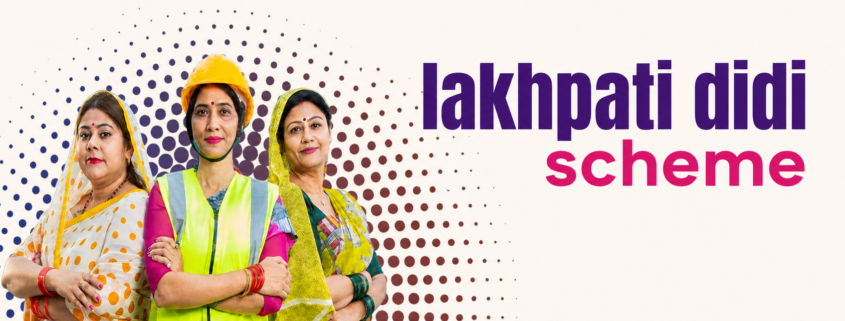
Introduction To Lakhpati Didi Scheme

Women empowerment has emerged as one of the most important drivers of India’s economic and social development. Across the country, millions of women are contributing to their families and communities through agriculture, handicrafts, small businesses, and self-employment activities. However, despite their potential and hard work, many women in rural areas still face challenges such as limited income opportunities, lack of access to finance, insufficient skill development, and restricted market exposure.

Recognizing the need to economically empower women and promote entrepreneurship at the grassroots level, the Government of India launched the Lakhpati Didi Scheme. The initiative aims to help women associated with Self-Help Groups (SHGs) increase their annual income and become financially independent by earning at least ₹1 lakh per year through sustainable livelihood activities.

The scheme is more than just a financial assistance program—it is a nationwide movement to transform rural women into successful entrepreneurs, business owners, and community leaders. Through skill development, financial literacy, access to credit, and entrepreneurship opportunities, the Lakhpati Didi Scheme is creating pathways for millions of women to improve their standard of living and contribute to India’s economic growth.

In this article, we will explore everything about the Lakhpati Didi Scheme, including its objectives, features, benefits, eligibility criteria, implementation process, and its role in promoting women-led development in India.


What is the Lakhpati Didi Scheme?

The Lakhpati Didi Scheme is an initiative of the Government of India aimed at helping women members of Self-Help Groups (SHGs) achieve sustainable annual incomes of ₹1 lakh or more through entrepreneurship and livelihood activities.

The scheme operates under the broader framework of the Deendayal Antyodaya Yojana – National Rural Livelihoods Mission (DAY-NRLM), which focuses on poverty reduction and women empowerment by strengthening Self-Help Groups across rural India.

The term “Lakhpati Didi” refers to women who have successfully achieved an annual household income of at least ₹1 lakh through income-generating activities and entrepreneurial initiatives.

The government has set an ambitious target of creating crores of Lakhpati Didis across the country by empowering rural women through skill development, financial inclusion, and business opportunities.


Why Was the Lakhpati Didi Scheme Introduced?

Although millions of women are associated with Self-Help Groups, many continue to earn modest incomes due to limited access to resources, markets, and entrepreneurial opportunities.

Some of the major challenges faced by rural women include:

  • Limited access to formal finance and credit
  • Lack of business training and financial literacy
  • Dependence on seasonal or low-income activities
  • Limited market exposure
  • Lack of awareness about government support schemes
  • Insufficient opportunities for skill development

The Lakhpati Didi Scheme was introduced to address these challenges and create an ecosystem where women can become financially independent and self-reliant.

The initiative aligns with the government’s vision of women-led development, rural entrepreneurship, and inclusive economic growth.


Objectives of the Lakhpati Didi Scheme

The scheme has several important objectives.

1. Increasing Women’s Income

The primary objective is to help women earn an annual income of at least ₹1 lakh through sustainable livelihood activities.

2. Promoting Women Entrepreneurship

The scheme encourages women to establish and expand micro-enterprises and small businesses.

3. Strengthening Self-Help Groups

The initiative aims to make SHGs economically stronger and more self-sufficient.

4. Promoting Financial Inclusion

The scheme helps women gain access to banking services, credit facilities, and financial literacy.

5. Generating Rural Employment

By supporting women-led enterprises, the scheme creates employment opportunities within rural communities.

6. Encouraging Skill Development

Women receive training and guidance to improve their business, technical, and managerial capabilities.


Key Features of Lakhpati Didi Scheme

Skill Development and Training

One of the most important aspects of the scheme is providing women with skill training that helps them start and manage income-generating activities.

Training may include:

  • Entrepreneurship development
  • Financial literacy
  • Business planning
  • Digital literacy
  • Marketing techniques
  • Product packaging and branding
  • Customer management

The goal is to equip women with the knowledge required to build sustainable businesses.


Financial Support and Access to Credit

The scheme facilitates easier access to:

  • Bank loans
  • Microfinance support
  • Government assistance programs
  • SHG credit facilities

Financial access enables women to start or expand their businesses without significant financial barriers.


Promotion of Diverse Livelihood Activities

Women under the scheme are encouraged to engage in various income-generating activities, including:

  • Agriculture and allied activities
  • Dairy farming
  • Poultry farming
  • Food processing
  • Handicrafts
  • Tailoring and garment manufacturing
  • Retail businesses
  • Digital services
  • Small manufacturing enterprises

This diversification helps reduce dependency on a single source of income.


Encouragement of Entrepreneurship

The scheme promotes entrepreneurship by encouraging women to become business owners rather than only wage earners.

Women are supported in identifying local business opportunities and creating sustainable enterprises.


Community-Based Development

The initiative uses the strong network of Self-Help Groups to create community-driven economic development and peer support.


Benefits of Lakhpati Didi Scheme

1. Financial Independence

The scheme enables women to become financially self-reliant and improve their household incomes.


2. Better Standard of Living

Higher income allows families to spend more on:

  • Education
  • Healthcare
  • Nutrition
  • Housing
  • Savings and investments

3. Increased Confidence and Decision-Making Power

Financial independence improves women’s confidence and strengthens their participation in family and community decisions.


4. Employment Generation

Women-led enterprises often create employment opportunities for other women in the community.


5. Reduction in Rural Poverty

Increased household income contributes to poverty reduction and improved economic stability.


6. Promotion of Women-Led Development

The scheme positions women as active contributors to India’s economic progress.


Who Can Benefit from the Lakhpati Didi Scheme?

The scheme primarily targets:

  • Women associated with Self-Help Groups (SHGs)
  • Rural women seeking income-generating opportunities
  • Women interested in entrepreneurship
  • Existing women entrepreneurs looking to expand their businesses
  • Women involved in agriculture and allied activities
  • Women engaged in traditional skills and local crafts

The initiative particularly focuses on economically weaker sections and underserved rural communities.


Role of Self-Help Groups (SHGs) in the Scheme

Self-Help Groups are at the heart of the Lakhpati Didi Scheme.

SHGs help by:

  • Identifying potential women entrepreneurs
  • Facilitating access to credit
  • Providing peer support and mentoring
  • Encouraging savings and financial discipline
  • Promoting group-based enterprises
  • Creating market linkages

The collective strength of SHGs has played a major role in empowering women and reducing poverty in rural India.


How Women Can Become a Lakhpati Didi

The journey to becoming a Lakhpati Didi generally involves several steps:

Step 1: Join a Self-Help Group

Women become members of local SHGs and participate in group savings and activities.

Step 2: Undergo Training

Participants receive skill development and entrepreneurship training.

Step 3: Identify a Livelihood Activity

Women select suitable business opportunities based on their interests, skills, and local market demand.

Step 4: Access Financial Support

Eligible women can obtain credit and financial assistance to start or expand their businesses.

Step 5: Scale Income Activities

By increasing productivity and improving market access, women can gradually achieve annual incomes of ₹1 lakh or more.


Examples of Income-Generating Activities Under the Scheme

Women can pursue multiple livelihood opportunities, including:

  • Dairy farming
  • Goat rearing
  • Poultry farming
  • Mushroom cultivation
  • Food processing units
  • Beauty and wellness services
  • Tailoring and embroidery
  • Handicrafts and home décor products
  • Digital service centers
  • Retail stores
  • Agricultural input services

The scheme encourages women to explore activities that are sustainable and locally viable.


Challenges Faced by Rural Women Entrepreneurs

Despite the opportunities created by the scheme, certain challenges remain.

Limited Market Access

Many women struggle to find customers outside their local communities.

Financial Literacy Gaps

Understanding loans, investments, and business management can be difficult without proper guidance.

Digital Divide

Some women require additional support in using digital tools and online platforms.

Social Barriers

Traditional social norms can sometimes limit women’s participation in business activities.

Continuous training, awareness campaigns, and mentorship programs are helping address these challenges.


How Lakhpati Didi Scheme Supports India’s Vision of Women-Led Development

The Government of India has emphasized the idea of women-led development, where women become active leaders of economic growth.

The Lakhpati Didi Scheme contributes to this vision by:

  • Creating women entrepreneurs
  • Increasing household incomes
  • Promoting financial inclusion
  • Encouraging rural enterprises
  • Supporting skill development
  • Generating employment opportunities
  • Strengthening Self-Help Groups

The initiative demonstrates how empowering women can accelerate social and economic development.


How Raiseonic Helps Women Understand Government Opportunities

Many women are unaware of the numerous government schemes and opportunities available for entrepreneurship, financial assistance, and skill development.

At Raiseonic, we simplify complex government initiatives through easy-to-understand articles, expert insights, and practical guides. Our mission is to help women, entrepreneurs, startups, and businesses discover opportunities that can improve their lives and accelerate their growth.

Whether you are looking for women empowerment schemes, startup support, subsidies, loans, or business opportunities, Raiseonic helps you stay informed and make better decisions.


Conclusion

The Lakhpati Didi Scheme is a transformative initiative that aims to make millions of rural women financially independent and economically empowered. By promoting entrepreneurship, improving access to finance, and strengthening Self-Help Groups, the scheme is creating sustainable income opportunities across rural India.

The initiative is not just about increasing income—it is about building confidence, promoting leadership, and enabling women to become active contributors to the nation’s growth story.

As India moves toward a future of inclusive and women-led development, the Lakhpati Didi Scheme stands as a powerful example of how empowering women can transform families, communities, and the economy.

For the latest updates on government schemes, women entrepreneurship initiatives, financial assistance programs, and business opportunities, stay connected with Raiseonic—your trusted source for simplified government scheme information and guidance.
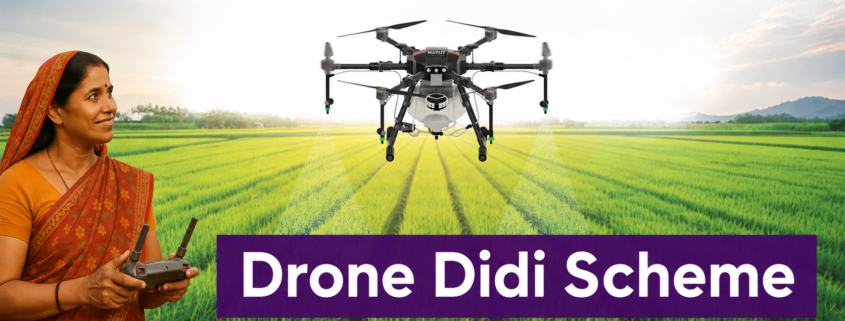
Introduction To Drone Didi Scheme

Agriculture has always been the backbone of India’s economy, providing livelihoods to millions of people across the country. Over the years, the government has introduced several initiatives to improve agricultural productivity, promote sustainable farming, and enhance farmers’ incomes. As technology continues to transform the agricultural sector, innovations such as drones are playing an increasingly important role in making farming more efficient, cost-effective, and environmentally sustainable.

While technological advancements have created new opportunities, rural women have often had limited access to modern agricultural tools and skill development. Recognizing this gap, the Government of India launched the Drone Didi Scheme, an initiative that combines technology with women empowerment by training women from Self-Help Groups (SHGs) to operate drones for agricultural purposes.

The scheme not only introduces advanced technology into Indian agriculture but also creates new livelihood opportunities for rural women. By enabling women to become certified drone operators and service providers, the Drone Didi Scheme supports both agricultural modernization and financial empowerment.

In this article, we will explore everything about the Drone Didi Scheme, including its objectives, features, benefits, eligibility criteria, implementation process, and its role in strengthening women-led rural development.


What is the Drone Didi Scheme?

The Drone Didi Scheme is a Government of India initiative aimed at providing drones to selected Women Self-Help Groups (SHGs) and training their members to use drone technology for agricultural activities.

The scheme focuses on helping rural women become skilled drone operators who can offer drone-based services such as spraying fertilizers, pesticides, and crop nutrients to farmers. These services improve farming efficiency while creating an additional source of income for SHG members.

The government has announced the objective of supporting 15,000 Women Self-Help Groups with agricultural drones over a multi-year implementation period. Financial assistance is provided to eligible SHGs to make drone ownership more affordable.

The initiative supports the government’s vision of promoting technology-driven agriculture, women-led development, and rural entrepreneurship.


Why Was the Drone Didi Scheme Introduced?

Traditional farming methods often involve manual spraying of fertilizers and pesticides, which can be time-consuming, physically demanding, and sometimes hazardous for farmers. At the same time, many rural women possess the willingness to work and contribute economically but have limited access to advanced skill development and modern employment opportunities.

The Drone Didi Scheme was introduced to address both these challenges.

The major objectives behind the scheme include:

  • Introducing modern drone technology in agriculture
  • Improving farming efficiency and productivity
  • Creating sustainable income opportunities for rural women
  • Strengthening Women Self-Help Groups
  • Encouraging technology adoption in villages
  • Reducing manual labour and exposure to harmful chemicals
  • Supporting precision agriculture

By combining women empowerment with agricultural innovation, the scheme creates benefits for both farmers and rural communities.


Objectives of Drone Didi Scheme

The Drone Didi Scheme has several important objectives.

1. Empowering Rural Women

The primary objective is to create new livelihood opportunities by training women to operate drones professionally.

2. Modernizing Agriculture

The scheme encourages farmers to adopt precision farming techniques that improve productivity while reducing input costs.

3. Strengthening Self-Help Groups

Women Self-Help Groups become technology-enabled service providers capable of generating regular income through drone-based agricultural services.

4. Promoting Skill Development

Women receive technical training, operational knowledge, and certification, helping them build careers in emerging technologies.

5. Increasing Farmers’ Productivity

Drone-assisted spraying ensures faster coverage of fields, better application of fertilizers and pesticides, and reduced wastage.


Key Features of Drone Didi Scheme

Financial Assistance for Drone Purchase

The Government provides financial assistance to eligible Women Self-Help Groups for purchasing agricultural drones.

Eligible SHGs can receive financial support of up to 80% of the drone cost or ₹8 lakh, whichever is lower, making drone ownership more affordable. The remaining amount can generally be financed through institutional credit or other approved funding sources.


Professional Drone Training

Women selected under the scheme receive structured training that covers:

  • Drone operation
  • Flight safety
  • Agricultural spraying techniques
  • Basic drone maintenance
  • Digital record keeping
  • Government regulations related to drone usage

After successful completion, participants receive certification that enables them to provide professional drone services.


Agricultural Service Model

Instead of using drones only for their own farms, SHGs can offer drone services to farmers in nearby villages.

These services may include:

  • Fertilizer spraying
  • Pesticide spraying
  • Nano urea application
  • Crop nutrient spraying
  • Field monitoring (where applicable)

This creates a sustainable business model for rural women.


Technology Adoption in Villages

The scheme introduces advanced technology into rural areas, encouraging farmers to adopt modern agricultural practices.


Support for Precision Farming

Drone technology enables more accurate application of agricultural inputs, reducing wastage and improving efficiency.


Benefits of Drone Didi Scheme

1. New Income Opportunities for Women

The scheme enables rural women to earn regular income by providing drone services to local farmers.

Instead of relying only on traditional livelihood options, women can become technology-based service providers.


2. Faster Agricultural Operations

Drone spraying can cover several acres within a short period, significantly reducing the time required for fertilizer and pesticide application.


3. Reduced Labour Requirement

Manual spraying requires considerable physical effort.

Drone technology minimizes labour requirements while increasing operational efficiency.


4. Better Crop Management

Uniform spraying improves the effectiveness of fertilizers and pesticides, leading to healthier crops and potentially better yields.


5. Reduced Exposure to Chemicals

Traditional pesticide spraying exposes farmers to harmful chemicals.

Drone-based spraying reduces direct human contact with pesticides and improves worker safety.


6. Encourages Rural Entrepreneurship

The scheme transforms SHGs into small rural enterprises capable of providing specialized agricultural services.


Eligibility Criteria for Drone Didi Scheme

The scheme primarily targets Women Self-Help Groups that are actively engaged in rural development activities.

General eligibility includes:

  • Registered Women Self-Help Groups
  • SHGs associated with recognized rural livelihood missions
  • Willingness to undergo drone training
  • Ability to provide drone-based agricultural services
  • Compliance with applicable government guidelines

The exact eligibility conditions may vary according to implementation agencies and state-level guidelines.


Training Under Drone Didi Scheme

Training is one of the most important components of the initiative.

Participants learn:

Drone Flying Skills

Women receive practical training in operating agricultural drones safely and efficiently.


Safety Procedures

Training includes emergency handling, safe flying practices, and compliance with aviation regulations.


Agricultural Applications

Participants learn the correct techniques for spraying fertilizers, pesticides, and crop nutrients using drones.


Maintenance and Troubleshooting

Basic maintenance training helps ensure proper functioning and longer operational life of drones.


Business Management

Many training programs also include guidance on:

  • Customer service
  • Service pricing
  • Record maintenance
  • Financial management
  • Digital payments

This prepares SHGs to run sustainable drone service businesses.


Role of Self-Help Groups in the Scheme

Women Self-Help Groups play a central role in the implementation of the Drone Didi Scheme.

SHGs help by:

  • Identifying eligible women participants
  • Managing drone operations
  • Providing services to local farmers
  • Maintaining financial records
  • Generating community awareness
  • Expanding rural entrepreneurship

The scheme strengthens SHGs by enabling them to adopt technology-driven income-generating activities.


How Drone Technology is Transforming Indian Agriculture

Drone technology offers several advantages over conventional farming practices.

Some major applications include:

  • Precision fertilizer spraying
  • Accurate pesticide application
  • Crop health monitoring
  • Water management
  • Field mapping
  • Early pest detection
  • Reduced chemical wastage

These innovations contribute to sustainable agriculture while improving farm productivity.


Challenges in Implementing Drone Didi Scheme

Although the scheme has tremendous potential, certain challenges need continuous attention.

Awareness

Many SHGs and rural women are still unaware of the opportunities offered by the scheme.


Technical Learning Curve

Operating drones requires technical skills and confidence. Continuous training and support are important for long-term success.


Maintenance and Infrastructure

Regular maintenance, battery management, and repair facilities are essential for smooth drone operations.


Digital Literacy

Women may require additional training in digital tools, software applications, and online record management.

With sustained capacity building and institutional support, these challenges can be effectively addressed.


How Drone Didi Scheme Supports India’s Vision of Women-Led Development

The Drone Didi Scheme is much more than an agricultural initiative—it is a symbol of India’s transition toward women-led development.

The scheme contributes by:

  • Promoting women entrepreneurship
  • Encouraging technology adoption
  • Creating skilled employment
  • Increasing rural incomes
  • Supporting precision agriculture
  • Strengthening Self-Help Groups
  • Advancing Digital India
  • Contributing to Atmanirbhar Bharat

By placing advanced technology in the hands of rural women, the initiative demonstrates how innovation can become a powerful tool for inclusive growth.


How Raiseonic Helps You Stay Updated on Government Schemes

Government schemes often include detailed eligibility conditions, funding patterns, training requirements, and application procedures that may be difficult to understand.

At Raiseonic, we simplify complex government initiatives through detailed guides, practical insights, and easy-to-understand explanations. Our mission is to help entrepreneurs, farmers, students, women, MSMEs, and citizens discover government opportunities that can improve their lives and businesses.

Whether you are looking for agricultural schemes, women empowerment initiatives, startup funding, financial assistance, or social welfare programs, Raiseonic helps you stay informed with reliable and simplified information.


Conclusion

The Drone Didi Scheme represents a transformative step toward empowering rural women while modernizing Indian agriculture. By providing financial assistance, professional training, and access to drone technology, the scheme creates new income opportunities for Women Self-Help Groups and supports precision farming across the country.

As India embraces advanced agricultural technologies, initiatives like Drone Didi demonstrate how innovation and women empowerment can work together to create sustainable rural development. The scheme not only improves farming efficiency but also enables thousands of women to become skilled professionals and entrepreneurs in the emerging drone ecosystem.

For the latest updates on government schemes, women empowerment initiatives, agricultural programs, startup opportunities, and financial assistance, stay connected with Raiseonic—your trusted source for simplified government scheme information and guidance.
Introduction To Atal Pension Yojana

Financial security after retirement is one of the most important aspects of long-term financial planning. While many individuals working in the organized sector receive pension benefits through their employers, millions of workers in India’s unorganized sector often lack access to any formal retirement savings or pension system.

Daily wage workers, small shop owners, drivers, domestic workers, agricultural laborers, street vendors, and self-employed individuals frequently depend on their active earnings for survival. As they grow older and their earning capacity decreases, the absence of a regular source of income can create significant financial challenges.

To address this issue and promote social security among economically vulnerable citizens, the Government of India launched the Atal Pension Yojana (APY). The scheme aims to encourage individuals to save regularly during their working years and receive a guaranteed monthly pension after retirement.

Atal Pension Yojana has become one of India’s most important pension schemes for the unorganized sector, helping millions of citizens build financial security for their future. By making retirement planning affordable and accessible, the scheme contributes to the vision of a financially secure and self-reliant India.

In this article, we will explore everything about Atal Pension Yojana, including its objectives, benefits, eligibility criteria, contribution structure, pension benefits, application process, and its importance in India’s social security framework.

What is Atal Pension Yojana?

Atal Pension Yojana (APY) is a government-backed pension scheme launched on 9 May 2015 by the Government of India. The scheme is administered by the Pension Fund Regulatory and Development Authority (PFRDA) and primarily focuses on workers in the unorganized sector.

Under APY, subscribers make regular monthly contributions during their working years. In return, they become eligible to receive a guaranteed monthly pension after reaching the age of 60 years.

Depending on the contribution amount and age at enrollment, subscribers can receive a fixed pension of:

  • ₹1,000 per month
  • ₹2,000 per month
  • ₹3,000 per month
  • ₹4,000 per month
  • ₹5,000 per month

The pension amount is guaranteed by the Government of India, making APY one of the most trusted retirement savings options available for low- and middle-income households.

Why Was Atal Pension Yojana Introduced?

India’s unorganized sector employs a large percentage of the workforce. Most workers in this segment do not have access to employer-sponsored retirement benefits such as provident funds or pension plans.

Without systematic retirement planning, many individuals face financial uncertainty during old age. The government recognized the need for a simple, affordable, and reliable pension system that could help workers build long-term financial security.

The major reasons behind the introduction of APY include:

  • Promoting retirement planning among unorganized workers
  • Providing a guaranteed pension after retirement
  • Reducing old-age poverty
  • Encouraging long-term savings habits
  • Expanding social security coverage
  • Strengthening financial inclusion

The scheme aims to ensure that individuals can maintain a basic standard of living even after they stop working.

Objectives of Atal Pension Yojana

The scheme has several important objectives.

1. Providing Financial Security After Retirement

The primary objective is to ensure that individuals have a regular source of income after reaching the age of 60 years.

2. Encouraging Long-Term Savings

APY promotes disciplined savings habits by encouraging subscribers to make regular monthly contributions.

3. Supporting the Unorganized Sector

The scheme specifically focuses on workers who do not have access to formal pension systems.

4. Reducing Dependency During Old Age

A guaranteed pension helps elderly individuals maintain financial independence and reduces dependence on family members.

5. Strengthening Social Protection

APY contributes to the broader goal of building a comprehensive social security framework in India.

Key Features of Atal Pension Yojana

Guaranteed Monthly Pension

One of the biggest advantages of APY is the guarantee of a fixed pension amount after retirement.

The pension amount depends on the subscriber’s contribution level and age at enrollment.

Affordable Contributions

The contribution amount varies according to:

  • Subscriber’s age at joining
  • Desired pension amount
  • Contribution period

Younger subscribers generally need to contribute lower monthly amounts because they have a longer investment horizon.

Automatic Bank Deduction

Contributions are automatically deducted from the subscriber’s savings bank account, ensuring convenience and regularity.

Government Guarantee

The pension amount under APY is guaranteed by the Government of India, providing subscribers with confidence and stability.

Pension for Spouse

In case of the subscriber’s death, the spouse is entitled to continue receiving the pension benefits according to the scheme rules.

Benefits of Atal Pension Yojana

1. Guaranteed Retirement Income

Subscribers receive a fixed pension amount after retirement, helping them meet daily expenses.

2. Financial Independence in Old Age

The pension provides a regular income stream and reduces financial dependency on family members.

3. Affordable Investment Option

Even individuals with modest incomes can participate in the scheme due to its low contribution requirements.

4. Government-Backed Security

Being supported by the Government of India increases trust and reliability.

5. Long-Term Wealth Discipline

Regular contributions help build financial discipline and retirement-focused savings habits.

6. Family Protection

The spouse and nominee receive benefits according to the scheme’s provisions, ensuring additional financial security.

Eligibility Criteria for Atal Pension Yojana

Applicants must fulfill certain conditions to join APY.

Age Requirement

The applicant must be between:

18 years and 40 years of age

at the time of enrollment.

Bank Account Requirement

The applicant must have:

  • A savings bank account
  • Aadhaar linkage (recommended)
  • Mobile number for communication

Citizenship

The applicant should be an Indian citizen eligible under the scheme guidelines.

Contribution Structure Under APY

The contribution amount depends on:

  • Age at enrollment
  • Desired pension amount
  • Contribution duration

For example:

  • A person joining at age 18 will contribute much less monthly than someone joining at age 35 for the same pension benefit.
  • Higher pension options require higher contributions.

The earlier an individual joins the scheme, the lower the monthly contribution required.

What Happens After Age 60?

Upon reaching the age of 60 years:

  • The subscriber becomes eligible to receive the guaranteed monthly pension selected under the scheme.
  • Pension payments continue throughout the subscriber’s lifetime.
  • After the subscriber’s death, the spouse receives pension benefits according to the scheme rules.
  • The accumulated pension corpus is eventually transferred to the nominee after both subscriber and spouse pass away.

Documents Required for Atal Pension Yojana

Applicants generally require:

  • Aadhaar Card
  • Savings bank account details
  • Mobile number
  • Identity proof
  • Address proof
  • Nominee details

Banks may request additional documents if required.

How to Apply for Atal Pension Yojana

The enrollment process is simple and accessible.

Step 1: Visit a Bank or Digital Banking Platform

Applicants can enroll through:

  • Public sector banks
  • Private sector banks
  • Regional rural banks
  • Online banking facilities

Step 2: Fill the APY Registration Form

Provide:

  • Personal details
  • Age information
  • Pension option selection
  • Nominee details

Step 3: Link Bank Account

The subscriber authorizes automatic monthly deduction from the savings account.

Step 4: Verification and Activation

After successful verification, the APY account becomes active and contributions begin automatically.

Why Early Enrollment Matters

One of the most important aspects of APY is joining early.

Benefits of early enrollment include:

  • Lower monthly contributions
  • Longer investment duration
  • Easier financial planning
  • Greater affordability

For example, an individual joining at age 18 may need to contribute significantly less than someone joining at age 40 to receive the same pension benefit.

This makes APY particularly attractive for young workers and first-time earners.

Challenges and Areas for Improvement

Despite its success, certain challenges remain.

Lack of Awareness

Many workers in rural and informal sectors are still unaware of APY and its benefits.

Irregular Income Patterns

Some workers may struggle to maintain regular contributions due to fluctuating income.

Financial Literacy Gaps

Improved financial education can help citizens better understand retirement planning and pension benefits.

Continued awareness campaigns and digital outreach can help expand the scheme’s reach further.

How Atal Pension Yojana Supports India’s Social Security Goals

Atal Pension Yojana is a major step toward building a comprehensive social security system for India’s workforce.

The scheme contributes by:

  • Promoting financial inclusion
  • Reducing old-age poverty
  • Encouraging retirement planning
  • Providing guaranteed income security
  • Strengthening economic resilience among vulnerable groups

As more citizens enroll, APY can play an increasingly important role in ensuring financial stability during retirement.

How Raiseonic Helps Citizens Understand Government Financial Schemes

Government schemes often involve multiple eligibility conditions, contribution requirements, and application procedures that can be difficult to understand.

At Raiseonic, we simplify government initiatives by providing detailed guides, practical insights, and easy-to-understand explanations. Our goal is to help individuals make informed decisions regarding pensions, healthcare, education, entrepreneurship, subsidies, and financial assistance programs.

Whether you are planning for retirement, exploring investment opportunities, or looking for government benefits, Raiseonic helps you stay informed and empowered.

Conclusion

The Atal Pension Yojana (APY) is one of India’s most important social security initiatives for workers in the unorganized sector. By offering a guaranteed monthly pension ranging from ₹1,000 to ₹5,000 after the age of 60, the scheme helps individuals build financial security and independence for their retirement years.

With affordable contributions, government-backed guarantees, and a simple enrollment process, APY provides a practical solution for millions of Indians who want to secure their future. Starting early can significantly reduce contribution requirements and maximize long-term benefits.

As retirement planning becomes increasingly important, Atal Pension Yojana offers an excellent opportunity for individuals to take control of their financial future and enjoy greater peace of mind during old age.

For the latest updates on government schemes, pension plans, financial assistance programs, and social security initiatives, stay connected with Raiseonic—your trusted source for simplified government scheme information and guidance.


Introduction To Ayushman Bharat Vaya Vandana Yojana

As people grow older, healthcare becomes one of the most important aspects of maintaining a dignified and comfortable life. With advancing age, senior citizens often face increased medical requirements, including regular health check-ups, treatments, surgeries, and management of chronic illnesses. However, the rising cost of healthcare can create a significant financial burden, especially for elderly individuals who may not have a stable source of income.

Recognizing the need to provide accessible and affordable healthcare to the elderly population, the Government of India introduced the Ayushman Bharat Vaya Vandana Yojana (ABVVY). This initiative is a major step toward strengthening healthcare protection for senior citizens by ensuring that elderly individuals receive quality medical treatment without worrying about high hospitalization expenses.

Ayushman Bharat Vaya Vandana Yojana extends the vision of universal healthcare coverage by focusing specifically on citizens aged 70 years and above. It provides eligible senior citizens with health insurance coverage under the Ayushman Bharat framework, helping them access cashless treatment at empanelled hospitals across India.

In this article, we will understand everything about the Ayushman Bharat Vaya Vandana Yojana, including its objectives, benefits, eligibility criteria, coverage, application process, required documents, and its importance in improving healthcare accessibility for India’s elderly population.

What is Ayushman Bharat Vaya Vandana Yojana?

Ayushman Bharat Vaya Vandana Yojana is a healthcare initiative launched by the Government of India to provide health coverage to all senior citizens aged 70 years and above, regardless of their income category.

The scheme functions as a part of the Ayushman Bharat Pradhan Mantri Jan Arogya Yojana (AB PM-JAY) and aims to provide financial protection against expensive medical treatments. Under this initiative, eligible senior citizens receive a dedicated health card that allows them to access cashless healthcare services at government and empanelled private hospitals.

Under the scheme, beneficiaries receive health insurance coverage of up to ₹5 lakh per family per year for secondary and tertiary healthcare hospitalization.

The initiative reflects the government’s commitment to ensuring that elderly citizens receive quality medical care without facing financial hardship.

Why Was Ayushman Bharat Vaya Vandana Yojana Introduced?

India’s elderly population is increasing rapidly, and many senior citizens require frequent medical attention. Treatments for age-related diseases such as heart conditions, diabetes complications, kidney problems, cancer, and orthopedic disorders can be expensive.

Many elderly citizens either depend on their families for healthcare expenses or avoid timely treatment due to financial constraints. The absence of adequate health coverage can lead to serious health and financial challenges.

The Ayushman Bharat Vaya Vandana Yojana was introduced to address these issues by:

  • Providing financial protection against hospitalization expenses
  • Improving access to quality healthcare services
  • Reducing the healthcare burden on families
  • Ensuring dignity and better quality of life for elderly citizens
  • Moving towards universal healthcare coverage in India

By removing financial barriers, the scheme encourages senior citizens to seek timely medical care.

Objectives of Ayushman Bharat Vaya Vandana Yojana

The scheme has several important objectives:

1. Providing Affordable Healthcare

The primary objective is to ensure that senior citizens have access to quality medical treatment without facing significant financial stress.

2. Reducing Out-of-Pocket Medical Expenses

Healthcare expenses can significantly impact a family’s savings. The scheme helps reduce direct spending on hospitalization and treatment.

3. Promoting Healthy Aging

By providing access to timely diagnosis and treatment, the scheme contributes to better health and improved quality of life among elderly citizens.

4. Expanding Healthcare Coverage

The initiative expands the reach of the Ayushman Bharat program by including senior citizens above 70 years of age.

5. Strengthening Social Welfare

The scheme supports the government’s broader goal of protecting vulnerable groups and creating a more inclusive healthcare system.

Key Features of Ayushman Bharat Vaya Vandana Yojana

Health Coverage up to ₹5 Lakh

Eligible senior citizens receive health insurance coverage of up to ₹5 lakh per family per year for hospitalization expenses under approved medical packages.

Cashless Treatment Facility

Beneficiaries can receive cashless treatment at empanelled government and private hospitals across India, reducing the need for immediate payment during medical emergencies.

No Income-Based Restriction

Unlike many welfare schemes that are limited to economically weaker sections, this initiative covers all eligible senior citizens aged 70 years and above irrespective of their income level.

Coverage for Pre-Existing Diseases

Eligible beneficiaries receive coverage for pre-existing medical conditions from the beginning of the scheme, ensuring that senior citizens with existing health concerns can also receive treatment.

Paperless and Digital Process

The scheme uses a digital verification and health card system, making the identification and treatment process easier and more transparent.

Benefits of Ayushman Bharat Vaya Vandana Yojana

1. Financial Security During Medical Emergencies

High hospitalization expenses can create serious financial challenges. The scheme protects senior citizens and their families from the burden of expensive medical treatments.

2. Access to Quality Hospitals

Beneficiaries can access treatment at a large network of empanelled hospitals across India, providing them with greater choice and convenience.

3. Better Healthcare Outcomes

Regular access to timely medical treatment helps manage diseases effectively and improves the overall health of elderly individuals.

4. Independence and Peace of Mind

Healthcare security allows senior citizens to live with greater confidence and reduces dependence on family members for medical expenses.

5. Support for Families

The scheme not only benefits elderly individuals but also reduces the financial and emotional burden on their families.

Medical Services Covered Under the Scheme

Ayushman Bharat Vaya Vandana Yojana covers a wide range of secondary and tertiary healthcare services, including:

  • Hospitalization expenses
  • Surgical procedures
  • Intensive care services
  • Diagnostic tests
  • Medicines during hospitalization
  • Doctor consultations during treatment
  • Pre-hospitalization and post-hospitalization expenses as per scheme guidelines
  • Treatment for various serious illnesses

The exact list of covered medical packages is determined under the Ayushman Bharat PM-JAY framework.

Eligibility Criteria for Ayushman Bharat Vaya Vandana Yojana

To avail benefits under the scheme, applicants must meet the following conditions:

Age Requirement

The applicant must be 70 years of age or above.

Citizenship

The beneficiary should be an Indian citizen.

Family and Income Criteria

All senior citizens aged 70 years and above are eligible for this benefit irrespective of their income, social category, or economic background.

Existing PM-JAY Beneficiaries

Senior citizens who are already covered under Ayushman Bharat PM-JAY can also receive benefits under the expanded coverage for elderly citizens according to applicable guidelines.

Documents Required for Ayushman Bharat Vaya Vandana Yojana

Applicants may require the following documents:

  • Aadhaar Card
  • Age proof
  • Mobile number
  • Address proof (where required)
  • Existing Ayushman card details (if applicable)
  • Other documents requested during verification

The exact document requirements may vary according to the registration process and government guidelines.

How to Apply for Ayushman Bharat Vaya Vandana Yojana

The registration process is designed to be simple and accessible.

Step 1: Check Eligibility

Senior citizens can verify their eligibility through the official Ayushman Bharat portal, Ayushman App, or by visiting a nearby Common Service Centre (CSC).

Step 2: Complete Aadhaar Verification

The applicant’s identity and age are verified using Aadhaar and other required documents.

Step 3: Generate Ayushman Vaya Vandana Card

After successful verification, eligible senior citizens receive a dedicated Ayushman Vaya Vandana health card.

Step 4: Access Cashless Treatment

Beneficiaries can use the card to receive cashless treatment at empanelled hospitals anywhere in India.

Challenges and Future Scope

While Ayushman Bharat Vaya Vandana Yojana has the potential to transform elderly healthcare, some challenges require continuous attention.

Awareness Among Senior Citizens

Many elderly individuals, particularly those living in rural areas, may not be aware of the scheme and its benefits. Increasing awareness is essential for wider coverage.

Digital Accessibility

Some senior citizens may face difficulties using digital platforms. Support through CSCs and local health workers plays an important role in ensuring accessibility.

Expansion of Healthcare Infrastructure

A stronger network of quality hospitals and healthcare facilities will help maximize the impact of the scheme.

With effective implementation and increased awareness, Ayushman Bharat Vaya Vandana Yojana can become a major pillar of healthcare security for India’s aging population.

How Raiseonic Helps Citizens Understand Government Healthcare Schemes

Many citizens remain unaware of government healthcare programs and welfare initiatives available for their benefit. Understanding eligibility, documentation, registration procedures, and available benefits can often be confusing.

At Raiseonic, we simplify government schemes by providing reliable information, detailed guides, and easy-to-understand explanations. We help individuals stay informed about healthcare initiatives, financial assistance programs, social security schemes, startup support, MSME benefits, and various government opportunities.

Whether you are looking for health insurance schemes, pension benefits, women empowerment initiatives, or business support programs, Raiseonic helps you discover the right opportunities with clarity and confidence.

Conclusion

The Ayushman Bharat Vaya Vandana Yojana is a transformative healthcare initiative that provides financial protection and quality medical care to India’s senior citizens aged 70 years and above. By offering cashless treatment, extensive hospital coverage, and protection against high medical expenses, the scheme ensures that elderly citizens can lead healthier and more dignified lives.

As India moves toward a more inclusive healthcare system, initiatives like Ayushman Bharat Vaya Vandana Yojana play a vital role in ensuring that no senior citizen is denied medical treatment due to financial limitations.

For the latest updates on government schemes, healthcare benefits, financial assistance programs, subsidies, and welfare initiatives, stay connected with Raiseonic—your trusted platform for simplified government scheme information and guidance.