Introduction to Mission Indradhanush

Immunization is one of the most effective public health interventions for preventing life-threatening diseases among children and pregnant women. Vaccines protect individuals from several infectious diseases, reduce child mortality, improve maternal health, and contribute to healthier communities. Despite the availability of free vaccines through the Universal Immunization Programme (UIP), many children in India historically missed one or more essential vaccinations due to limited awareness, difficult geographical access, migration, and healthcare delivery challenges.

To bridge this gap and ensure that every eligible child and pregnant woman receives life-saving vaccines, the Government of India launched Mission Indradhanush. The initiative focuses on identifying children who are unvaccinated or partially vaccinated and providing them with complete immunization through special vaccination drives.

Mission Indradhanush has become one of India’s most significant public health initiatives by strengthening routine immunization services and expanding vaccine coverage across urban, rural, tribal, and hard-to-reach areas. Over the years, the programme has evolved through Intensified Mission Indradhanush (IMI) and subsequent phases to further improve vaccination coverage.

In this article, we will explore everything about Mission Indradhanush, including its objectives, features, benefits, eligibility, vaccination coverage, implementation process, achievements, and its role in protecting millions of children and mothers across India.


What is Mission Indradhanush?

Mission Indradhanush is a flagship immunization programme launched by the Ministry of Health and Family Welfare, Government of India, to strengthen routine immunization and ensure that every eligible child and pregnant woman receives all recommended vaccines under the Universal Immunization Programme (UIP).

The programme was launched on 25 December 2014 with the objective of reaching children who were either unvaccinated or partially vaccinated.

The name “Indradhanush” (Rainbow) symbolizes protection against multiple vaccine-preventable diseases through a comprehensive immunization programme.

Mission Indradhanush complements the Universal Immunization Programme by conducting focused vaccination campaigns in areas with low immunization coverage.


Why Was Mission Indradhanush Introduced?

Before the launch of Mission Indradhanush, several challenges prevented universal vaccination coverage.

Some major issues included:

  • Missed vaccination schedules
  • Low awareness among parents
  • Difficult access to remote and tribal areas
  • Migrant populations missing routine vaccinations
  • Urban slum populations with inadequate healthcare access
  • Uneven immunization coverage across states

To overcome these challenges, the Government introduced Mission Indradhanush to ensure that no eligible child or pregnant woman is left behind.

The programme supports national priorities such as:

  • Universal Immunization Programme (UIP)
  • National Health Mission (NHM)
  • Ayushman Bharat
  • Sustainable Development Goals (SDGs)
  • Child Survival and Development

Objectives of Mission Indradhanush

Mission Indradhanush has several important objectives.

1. Increase Immunization Coverage

The primary objective is to improve vaccination coverage among children and pregnant women across India.

2. Reach Unvaccinated Children

The programme identifies and vaccinates children who have missed one or more routine vaccines.

3. Reduce Child Mortality

Vaccination protects children from several life-threatening diseases, thereby reducing infant and child deaths.

4. Protect Pregnant Women

Pregnant women receive recommended vaccines that help protect both mother and newborn.

5. Strengthen Public Healthcare

The programme enhances routine immunization services through better planning, monitoring, and outreach.

6. Improve Disease Prevention

Comprehensive immunization helps reduce outbreaks of vaccine-preventable diseases.


Key Features of Mission Indradhanush

Targeted Vaccination Campaigns

Special vaccination drives are organized in districts and communities with low immunization coverage.


Focus on High-Risk Areas

The programme prioritizes:

  • Urban slums
  • Remote villages
  • Tribal regions
  • Forest areas
  • Migrant settlements
  • Nomadic communities
  • Difficult-to-reach locations

Free Vaccination Services

All vaccines covered under the programme are provided free of cost through government health facilities and outreach sessions.


Door-to-Door Mobilization

Healthcare workers and community volunteers identify eligible beneficiaries and encourage families to complete vaccination schedules.


Strengthened Monitoring

The programme uses regular monitoring and review mechanisms to improve immunization coverage and service quality.


Diseases Covered Under Mission Indradhanush

Mission Indradhanush supports vaccination against several vaccine-preventable diseases under the Universal Immunization Programme. Depending on the national immunization schedule and age group, these include diseases such as:

  • Tuberculosis (BCG)
  • Polio
  • Hepatitis B
  • Diphtheria
  • Pertussis (Whooping Cough)
  • Tetanus
  • Haemophilus influenzae type b (Hib)
  • Measles
  • Rubella
  • Rotavirus diarrhoea
  • Pneumococcal disease (in covered areas)
  • Japanese Encephalitis (in endemic districts)

The vaccines available may vary based on the National Immunization Schedule and local health programme implementation.


Who is Eligible?

Mission Indradhanush primarily covers:

  • Children from birth up to two years of age who have missed routine vaccinations.
  • Pregnant women eligible for vaccines under the Universal Immunization Programme.

In certain phases of intensified campaigns, additional age groups or missed beneficiaries may also be covered according to government guidelines.


Benefits of Mission Indradhanush

1. Protection Against Serious Diseases

Vaccination significantly reduces the risk of life-threatening infectious diseases.


2. Improved Child Survival

Immunized children are less likely to suffer severe illness and complications.


3. Better Maternal Health

Vaccination during pregnancy helps protect both mothers and newborns.


4. Reduced Healthcare Costs

Preventing diseases through vaccination lowers medical expenses for families.


5. Stronger Community Immunity

Higher vaccination coverage helps reduce disease transmission within communities.


6. Better Quality of Life

Healthy children have improved growth, education, and developmental outcomes.


Vaccination Delivery Process

Mission Indradhanush follows a structured implementation process.

Step 1: Identification of Beneficiaries

Health workers identify unvaccinated and partially vaccinated children and eligible pregnant women.


Step 2: Community Mobilization

ASHA workers, Anganwadi workers, and ANMs conduct awareness activities and inform families about vaccination sessions.


Step 3: Vaccination Sessions

Vaccines are administered at:

  • Government hospitals
  • Primary Health Centres (PHCs)
  • Community Health Centres (CHCs)
  • Sub-centres
  • Anganwadi Centres
  • Outreach vaccination camps

Step 4: Follow-Up

Health workers track beneficiaries to ensure completion of the recommended vaccination schedule.


Intensified Mission Indradhanush (IMI)

To further improve vaccination coverage, the Government introduced Intensified Mission Indradhanush (IMI).

The initiative focuses on:

  • Districts with low immunization coverage.
  • High-risk populations.
  • Improved planning and monitoring.
  • Greater community participation.
  • Faster identification of missed children.

Subsequent phases, including IMI 2.0, IMI 3.0, and IMI 4.0, have continued to strengthen immunization efforts across the country.


Documents Required

Generally, beneficiaries may require:

  • Child’s birth records (if available)
  • Mother and Child Protection (MCP) Card
  • Vaccination card (if previously issued)
  • Aadhaar (where applicable, though lack of Aadhaar does not typically prevent access to essential immunization services)
  • Parent or guardian identification (if requested)

Vaccination is provided through public health services, and documentation requirements may vary depending on local implementation.


Impact of Mission Indradhanush

Since its launch, Mission Indradhanush has significantly improved India’s immunization coverage.

Major achievements include:

  • Millions of children vaccinated.
  • Increased routine immunization coverage.
  • Improved access in remote and underserved areas.
  • Better awareness regarding childhood vaccination.
  • Strengthened healthcare delivery systems.
  • Reduced incidence of vaccine-preventable diseases.

The programme continues to contribute to healthier childhood development and improved public health outcomes.


Challenges and Future Opportunities

Despite substantial progress, some challenges remain.

Vaccine Awareness

Continuous public awareness is essential to address vaccine hesitancy and misinformation.


Reaching Mobile Populations

Migratory communities require sustained outreach and follow-up.


Strengthening Digital Tracking

Digital immunization records can improve monitoring and ensure timely vaccinations.


Expanding Healthcare Infrastructure

Improved healthcare facilities and workforce capacity will enhance service delivery in remote areas.

Continued investment in immunization programmes will further strengthen India’s public health system.


How Mission Indradhanush Supports India’s Vision of Healthy Families

Mission Indradhanush aligns with several national initiatives, including:

  • Universal Immunization Programme (UIP)
  • National Health Mission (NHM)
  • POSHAN Abhiyaan
  • Ayushman Bharat
  • Rashtriya Bal Swasthya Karyakram (RBSK)
  • Sustainable Development Goals (SDGs)

Together, these initiatives improve maternal and child health while building a healthier and more resilient nation.


How Raiseonic Helps You Stay Updated on Government Healthcare Schemes

Government healthcare programmes are regularly updated with new guidelines, vaccination drives, eligibility criteria, and public welfare initiatives.

At Raiseonic, we simplify government schemes through easy-to-understand guides, practical insights, and expert information on healthcare programmes, child welfare schemes, women empowerment initiatives, startup support, MSME schemes, financial assistance programmes, and entrepreneurship opportunities.

Whether you are a parent, student, entrepreneur, or healthcare professional, Raiseonic helps you stay informed about the latest government initiatives that improve lives and support national development.


Conclusion

Mission Indradhanush is one of India’s most impactful public health initiatives, ensuring that children and pregnant women receive timely vaccinations against preventable diseases. By focusing on unvaccinated and partially vaccinated beneficiaries, the programme has significantly strengthened routine immunization services and improved healthcare access across urban, rural, tribal, and remote regions.

Through targeted vaccination campaigns, community participation, and continuous monitoring, Mission Indradhanush has helped reduce child mortality, prevent infectious diseases, and build a healthier future for millions of families. As India continues to expand healthcare access and strengthen disease prevention efforts, the programme remains a cornerstone of the country’s commitment to universal immunization.

For the latest updates on government schemes, healthcare initiatives, women and child welfare programmes, startup opportunities, MSME support, agricultural schemes, and financial assistance programmes, stay connected with Raiseonic—your trusted source for simplified government scheme information and guidance.
Introduction to Rashtriya Bal Swasthya Karyakram (RBSK)

A child’s health plays a vital role in shaping the future of a nation. Healthy children are more likely to perform well in school, develop strong physical and mental abilities, and contribute positively to society as adults. However, many children in India are affected by birth defects, nutritional deficiencies, developmental delays, disabilities, and childhood diseases that often go undetected during their early years. If these conditions are not identified and treated at the right time, they can have long-term effects on a child’s growth, education, and quality of life.

Recognizing the importance of early detection and timely treatment, the Government of India launched the Rashtriya Bal Swasthya Karyakram (RBSK) under the National Health Mission (NHM). The programme aims to identify health conditions in children from birth to 18 years of age and provide appropriate medical intervention at the earliest possible stage.

RBSK is one of India’s largest child health screening initiatives and focuses on identifying the 4 DsDefects at Birth, Diseases, Deficiencies, and Developmental Delays including Disabilities. Through systematic health screening, referral services, and free treatment, the programme seeks to ensure that every child receives timely healthcare regardless of their socio-economic background.

In this article, we will explore everything about Rashtriya Bal Swasthya Karyakram, including its objectives, features, benefits, eligibility, implementation process, health services, and its contribution to improving child healthcare in India.


What is Rashtriya Bal Swasthya Karyakram (RBSK)?

Rashtriya Bal Swasthya Karyakram (RBSK) is a flagship child health screening and early intervention programme launched by the Ministry of Health and Family Welfare, Government of India under the National Health Mission (NHM).

The programme was launched in February 2013 to improve child health by identifying health conditions at an early stage and ensuring timely diagnosis, referral, and treatment.

RBSK provides comprehensive health screening services for children from birth to 18 years through health teams visiting Anganwadi Centres and government schools, as well as through screening at public health facilities.

The programme aims to reduce child mortality, improve developmental outcomes, prevent disabilities, and enhance the overall health and well-being of children.


Why Was RBSK Introduced?

Many childhood illnesses and developmental disorders remain undiagnosed because of limited awareness and lack of routine health screening.

Common challenges included:

  • Delayed diagnosis of congenital disorders
  • High prevalence of nutritional deficiencies
  • Undetected developmental disabilities
  • Limited access to specialized child healthcare
  • Financial burden of treatment on families
  • Inadequate early intervention services

To address these issues, the Government introduced RBSK to establish a nationwide system for early detection and free treatment of health conditions affecting children.

The programme supports national priorities such as:

  • Universal Health Coverage
  • Child Development
  • POSHAN Abhiyaan
  • National Health Mission
  • Sustainable Development Goals (SDGs)

Objectives of Rashtriya Bal Swasthya Karyakram

The programme has several important objectives.

1. Early Identification of Health Conditions

The primary objective is to detect health conditions before they become severe.

2. Reduce Child Mortality

Timely diagnosis and treatment help reduce preventable childhood illnesses and deaths.

3. Improve Child Development

Early intervention supports better physical, cognitive, emotional, and social development.

4. Prevent Disabilities

Prompt treatment can reduce or prevent long-term disabilities in many children.

5. Provide Free Healthcare Services

Eligible children receive screening, diagnosis, referral, and treatment through government healthcare facilities.

6. Improve Quality of Life

The programme enables children to live healthier lives and participate fully in education and society.


The Four Ds Covered Under RBSK

One of the unique features of RBSK is its focus on the 4 Ds.

1. Defects at Birth

These include congenital conditions such as:

  • Congenital heart disease
  • Club foot
  • Cleft lip and palate
  • Down syndrome
  • Neural tube defects
  • Hearing impairment
  • Congenital cataract

Early diagnosis significantly improves treatment outcomes.


2. Diseases

The programme screens for common childhood diseases such as:

  • Skin diseases
  • Dental problems
  • Heart conditions
  • Asthma
  • Sickle Cell Disease (in endemic areas)
  • Rheumatic heart disease (where applicable)

3. Deficiencies

Children are screened for nutritional deficiencies including:

  • Iron deficiency anemia
  • Vitamin A deficiency
  • Vitamin D deficiency
  • Severe malnutrition
  • Other micronutrient deficiencies

4. Developmental Delays and Disabilities

The programme identifies:

  • Speech delay
  • Hearing impairment
  • Vision impairment
  • Learning disorders
  • Autism spectrum disorders
  • Cerebral palsy
  • Intellectual disabilities
  • Motor development delays

Early intervention greatly improves long-term outcomes.


Key Features of RBSK

Comprehensive Health Screening

Children undergo systematic health screening by trained medical teams.


Early Intervention Services

Children diagnosed with health conditions receive timely referrals for specialized care.


Free Treatment

Eligible beneficiaries receive treatment through public healthcare facilities without financial burden.


District Early Intervention Centres (DEICs)

Each district establishes a District Early Intervention Centre (DEIC) where children receive specialized diagnostic and therapeutic services.

These centres provide services such as:

  • Pediatric consultations
  • Physiotherapy
  • Speech therapy
  • Audiology services
  • Vision assessment
  • Psychological evaluation
  • Occupational therapy
  • Nutritional counselling

Community-Based Approach

Health teams conduct regular visits to:

  • Anganwadi Centres
  • Government schools
  • Public health facilities

This ensures broad coverage across rural and urban areas.


Target Beneficiaries

RBSK covers children in different age groups.

These include:

  • Newborn babies (0–6 weeks)
  • Infants (6 weeks–6 years)
  • Children attending Anganwadi Centres
  • Government school students
  • Children up to 18 years studying in government and government-aided schools

The programme benefits millions of children across India each year.


Benefits of Rashtriya Bal Swasthya Karyakram

1. Early Disease Detection

Health conditions are identified before they become severe.


2. Better Treatment Outcomes

Early diagnosis improves recovery and long-term health.


3. Reduced Financial Burden

Government-supported healthcare reduces treatment expenses for families.


4. Improved Educational Performance

Healthy children are better able to attend school and perform academically.


5. Reduced Childhood Disabilities

Timely intervention prevents complications and supports normal development.


6. Better Nutrition

Deficiencies are identified early and appropriate nutritional support is provided.


7. Stronger Public Health System

The programme strengthens preventive healthcare services for children.


Health Screening Process

The programme follows a structured screening process.

Step 1: Community-Based Screening

Health workers examine newborns at health facilities and during home visits.


Step 2: School and Anganwadi Screening

Dedicated Mobile Health Teams visit schools and Anganwadi Centres for regular health check-ups.


Step 3: Identification of Health Conditions

Children with suspected conditions are referred for detailed evaluation.


Step 4: Referral to DEIC

District Early Intervention Centres provide advanced diagnosis and treatment planning.


Step 5: Treatment and Follow-Up

Eligible children receive free treatment, therapy, surgery (where applicable), and follow-up care.


Role of District Early Intervention Centres (DEICs)

DEICs play a central role in RBSK implementation.

Their services include:

  • Medical assessment
  • Diagnostic testing
  • Specialist consultations
  • Speech therapy
  • Physiotherapy
  • Occupational therapy
  • Psychological counselling
  • Nutritional guidance
  • Referral for advanced treatment

These centres ensure that children receive comprehensive healthcare under one roof.


Documents Required

Generally, beneficiaries may require:

  • Birth certificate (where available)
  • Aadhaar (if applicable)
  • School or Anganwadi records
  • Parent or guardian identification
  • Medical referral documents

Specific requirements may vary depending on the healthcare facility.


Impact of Rashtriya Bal Swasthya Karyakram

Since its launch, RBSK has significantly strengthened child healthcare services across India.

Major achievements include:

  • Millions of children screened annually.
  • Improved early diagnosis of congenital disorders.
  • Increased access to specialized child healthcare.
  • Better awareness among parents regarding child health.
  • Strengthened referral systems.
  • Improved management of childhood disabilities.
  • Enhanced coordination between healthcare and educational institutions.

The programme has contributed substantially to improving child survival and development.


Challenges and Future Opportunities

Although RBSK has made significant progress, certain challenges remain.

Awareness

Many parents remain unaware of the importance of early screening.


Specialist Availability

Some remote districts require greater access to specialized healthcare professionals.


Follow-Up Care

Long-term monitoring is essential for children with developmental disorders.


Digital Health Integration

Technology can further strengthen health records, referrals, and monitoring.

Continued investment in child healthcare infrastructure will further enhance the programme’s effectiveness.


How RBSK Supports India’s Vision of Healthy Childhood Development

RBSK contributes directly to several national initiatives, including:

  • National Health Mission
  • POSHAN Abhiyaan
  • Ayushman Bharat
  • Digital Health Mission
  • Sustainable Development Goals
  • Universal Health Coverage

By focusing on preventive healthcare and early intervention, the programme helps build a healthier future generation.


How Raiseonic Helps You Stay Updated on Government Healthcare Schemes

Government healthcare programmes continue to evolve with new initiatives, eligibility guidelines, and beneficiary services.

At Raiseonic, we simplify government schemes by providing easy-to-understand guides, practical insights, and expert information on healthcare programmes, women and child welfare schemes, nutrition missions, entrepreneurship initiatives, startup support, MSME schemes, and financial assistance programmes.

Whether you are a parent, healthcare professional, student, or entrepreneur, Raiseonic helps you stay informed about government initiatives that improve health, education, and overall well-being.


Conclusion

The Rashtriya Bal Swasthya Karyakram (RBSK) is one of India’s most important child healthcare initiatives, ensuring that children receive timely health screening, early diagnosis, and appropriate medical intervention. By focusing on the 4 Ds—Defects at Birth, Diseases, Deficiencies, and Developmental Delays, the programme addresses health challenges before they become severe and helps children lead healthier, more productive lives.

Through community-based screening, specialized treatment, and comprehensive follow-up care, RBSK has strengthened India’s child healthcare system and improved access to quality medical services for millions of children. As the country continues to prioritize child health and human development, RBSK remains a cornerstone of preventive healthcare and early intervention.

For the latest updates on government schemes, child welfare programmes, healthcare initiatives, women empowerment schemes, startup opportunities, MSME support, and financial assistance programmes, stay connected with Raiseonic—your trusted source for simplified government scheme information and guidance.
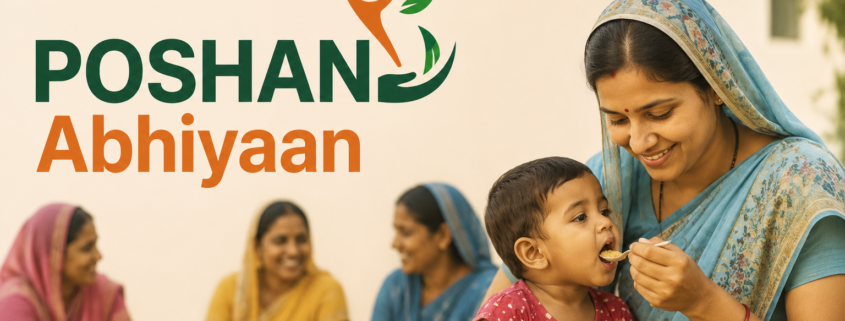
Introduction to POSHAN Abhiyaan

Good nutrition is the foundation of a healthy and productive society. Adequate nutrition during pregnancy, infancy, and early childhood plays a crucial role in physical growth, cognitive development, immunity, and overall well-being. However, despite significant progress in healthcare and food production, malnutrition continues to be a major public health challenge in India, particularly among children, pregnant women, and lactating mothers.

Malnutrition not only affects an individual’s health but also impacts educational outcomes, workforce productivity, and the country’s long-term economic development. Issues such as stunting, wasting, underweight children, anemia, and poor maternal nutrition have historically affected millions of families across rural and urban India.

Recognizing the need for a comprehensive, technology-driven, and community-based approach to improving nutrition, the Government of India launched POSHAN Abhiyaan (Prime Minister’s Overarching Scheme for Holistic Nutrition). The mission aims to reduce malnutrition through better coordination among government departments, real-time monitoring, community participation, nutrition awareness, and improved service delivery.

POSHAN Abhiyaan is one of India’s flagship nutrition initiatives and forms an integral part of the Government’s commitment to ensuring healthier mothers, healthier children, and a stronger nation.

In this article, we will explore everything about POSHAN Abhiyaan, including its objectives, features, benefits, target beneficiaries, implementation strategy, key initiatives, and its role in achieving a malnutrition-free India.


What is POSHAN Abhiyaan?

POSHAN Abhiyaan, also known as the National Nutrition Mission, is a flagship programme of the Government of India launched on 8 March 2018 by the Ministry of Women and Child Development (MWCD).

The mission seeks to improve the nutritional status of children, adolescent girls, pregnant women, and lactating mothers through a coordinated and technology-enabled approach.

Rather than functioning as a standalone nutrition programme, POSHAN Abhiyaan strengthens existing schemes such as the Integrated Child Development Services (ICDS), health services, sanitation initiatives, and nutrition programmes by promoting convergence among multiple ministries and departments.

The mission emphasizes behavioural change, community participation, digital monitoring, and evidence-based interventions to improve nutritional outcomes across the country.


Why Was POSHAN Abhiyaan Introduced?

India has made significant progress in reducing poverty and improving healthcare, yet nutritional challenges remained widespread.

Some major concerns included:

  • Child stunting
  • Wasting among children
  • Underweight children
  • High prevalence of anemia
  • Maternal malnutrition
  • Low birth weight babies
  • Limited awareness about balanced diets
  • Inadequate infant and young child feeding practices

To address these challenges in a holistic manner, the Government launched POSHAN Abhiyaan with a focus on improving nutrition through better service delivery, awareness campaigns, digital monitoring, and community participation.

The mission also supports national priorities such as:

  • Women-Led Development
  • Healthy India
  • Child Development
  • Financial and Social Inclusion
  • Sustainable Development Goals (SDGs)

Objectives of POSHAN Abhiyaan

The mission has several important objectives.

1. Reduce Child Malnutrition

The primary objective is to improve the nutritional status of children below six years of age.

2. Improve Maternal Health

The programme aims to ensure better nutrition for pregnant women and lactating mothers to support healthy pregnancies and childbirth.

3. Reduce Anemia

Special attention is given to reducing anemia among women, adolescent girls, and young children.

4. Promote Behavioural Change

The mission encourages healthy eating habits, proper infant feeding practices, hygiene, and sanitation through awareness campaigns.

5. Strengthen Service Delivery

POSHAN Abhiyaan improves coordination between health workers, Anganwadi Centres, and government departments for better implementation.

6. Use Technology for Monitoring

Digital tools are used to monitor nutrition services, beneficiary data, and programme performance in real time.


Key Features of POSHAN Abhiyaan

Convergence of Government Schemes

One of the mission’s strongest features is the integration of nutrition-related efforts across multiple ministries, including:

  • Women and Child Development
  • Health and Family Welfare
  • Rural Development
  • Drinking Water and Sanitation
  • Education
  • Food and Public Distribution

This convergence helps deliver comprehensive nutrition services to beneficiaries.


Community-Based Events

POSHAN Abhiyaan promotes regular community activities that encourage nutrition awareness and healthy practices.

These include:

  • Nutrition awareness campaigns
  • Growth monitoring sessions
  • Health check-up camps
  • Breastfeeding awareness programmes
  • Complementary feeding demonstrations
  • Village Health, Sanitation, and Nutrition Days

Anganwadi Centre Strengthening

The mission strengthens Anganwadi Centres by improving service delivery, monitoring systems, and nutrition counselling.

Anganwadi workers play a central role in:

  • Child growth monitoring
  • Nutrition counselling
  • Early childhood care
  • Supplementary nutrition
  • Health referrals

Technology-Based Monitoring

The programme encourages digital monitoring systems that help improve transparency, accountability, and timely service delivery.

Technology enables better tracking of:

  • Child growth
  • Nutrition indicators
  • Service delivery
  • Beneficiary records
  • Programme performance

Jan Andolan (People’s Movement)

A unique aspect of POSHAN Abhiyaan is the Jan Andolan approach, which encourages citizens, educational institutions, local governments, civil society organizations, and communities to actively participate in improving nutrition outcomes.


Target Beneficiaries

POSHAN Abhiyaan focuses on improving nutrition for:

  • Children below six years of age
  • Pregnant women
  • Lactating mothers
  • Adolescent girls
  • Families requiring nutrition awareness
  • Communities vulnerable to malnutrition

Indirectly, the mission benefits society by promoting healthier families and stronger communities.


Benefits of POSHAN Abhiyaan

1. Improved Child Growth

Better nutrition supports healthy physical and cognitive development in children.


2. Healthier Mothers

Pregnant and lactating women receive nutrition support, counselling, and improved healthcare services.


3. Reduced Malnutrition

The programme works toward lowering the prevalence of stunting, wasting, and underweight children.


4. Lower Anemia Rates

Nutrition interventions contribute to reducing anemia among women and children.


5. Better Nutrition Awareness

Families learn about:

  • Balanced diets
  • Breastfeeding
  • Complementary feeding
  • Hygiene
  • Safe food practices

6. Stronger Community Participation

Communities become active partners in improving health and nutrition outcomes.


7. Improved Service Delivery

Technology-enabled monitoring enhances the efficiency of nutrition programmes.


Major Components of POSHAN Abhiyaan

The mission includes several integrated interventions.

Nutrition Education

Awareness campaigns encourage healthy eating habits and proper child feeding practices.


Growth Monitoring

Regular measurement of children’s height and weight helps identify nutritional deficiencies at an early stage.


Supplementary Nutrition

Eligible beneficiaries receive nutrition support through Anganwadi Centres under applicable government programmes.


Health Services

The mission works closely with healthcare providers for immunization, antenatal care, postnatal care, and health screenings.


Behaviour Change Communication

Mass awareness campaigns encourage families to adopt healthier lifestyles and nutrition practices.


Role of Anganwadi Workers

Anganwadi workers are the backbone of POSHAN Abhiyaan.

Their responsibilities include:

  • Registering beneficiaries
  • Monitoring child growth
  • Providing nutrition counselling
  • Conducting home visits
  • Organizing awareness sessions
  • Supporting pregnant women
  • Coordinating with health departments

Their efforts ensure that nutrition services reach beneficiaries at the grassroots level.


How POSHAN Abhiyaan is Implemented

Implementation involves coordinated efforts by:

  • Ministry of Women and Child Development
  • State Governments
  • District Administrations
  • Anganwadi Centres
  • Accredited Social Health Activists (ASHAs)
  • Auxiliary Nurse Midwives (ANMs)
  • Local Self-Governments
  • Community Organizations

This multi-level approach ensures effective planning, implementation, and monitoring.


Impact of POSHAN Abhiyaan

Since its launch, POSHAN Abhiyaan has significantly strengthened India’s nutrition ecosystem.

Some major achievements include:

  • Greater awareness about maternal and child nutrition.
  • Improved convergence among government departments.
  • Increased community participation through Jan Andolan.
  • Better monitoring of nutrition indicators using technology.
  • Strengthened Anganwadi service delivery.
  • Enhanced focus on reducing stunting, wasting, and anemia.

The mission has also encouraged greater public awareness about healthy eating and preventive healthcare.


Challenges and Future Opportunities

Although substantial progress has been made, certain challenges remain.

Behavioural Change

Changing long-established food habits and nutrition practices requires sustained awareness efforts.


Last-Mile Delivery

Ensuring consistent access to nutrition services in remote and tribal regions remains a priority.


Nutrition Awareness

Continued education is needed to improve dietary diversity and child-feeding practices.


Technology Adoption

Further strengthening digital infrastructure can improve monitoring and service delivery.

Addressing these challenges will help India move closer to achieving a malnutrition-free future.


How POSHAN Abhiyaan Supports India’s Vision of Healthy Development

POSHAN Abhiyaan contributes directly to several national priorities, including:

  • Healthy India
  • Women-Led Development
  • Child Development
  • Sustainable Development Goals (SDGs)
  • Digital Governance
  • Inclusive Growth
  • Human Capital Development

By investing in better nutrition, the mission helps build a healthier, more productive, and economically stronger nation.


How Raiseonic Helps You Stay Updated on Government Health and Nutrition Schemes

Government health and nutrition programmes continue to evolve with new policies, implementation strategies, and beneficiary support initiatives.

At Raiseonic, we simplify government initiatives through easy-to-understand guides, expert insights, and practical information on women empowerment schemes, healthcare programmes, nutrition missions, entrepreneurship initiatives, startup funding, MSME support, financial assistance, and social welfare schemes.

Whether you are a parent, healthcare worker, entrepreneur, student, or someone interested in government welfare programmes, Raiseonic helps you stay informed with accurate and simplified information.


Conclusion

POSHAN Abhiyaan is one of India’s most ambitious initiatives to eliminate malnutrition and improve the health of women and children through a comprehensive, technology-driven, and community-based approach. By strengthening nutrition services, promoting behavioural change, empowering frontline workers, and encouraging public participation, the mission is creating a strong foundation for a healthier future.

The programme recognizes that nutrition is not only a health issue but also a key factor in education, productivity, economic growth, and national development. As India continues its journey toward becoming a developed nation, initiatives like POSHAN Abhiyaan play a crucial role in building healthier families and stronger communities.

For the latest updates on government schemes, women empowerment programmes, healthcare initiatives, nutrition missions, startup opportunities, MSME support, entrepreneurship schemes, and financial assistance programmes, stay connected with Raiseonic—your trusted source for simplified government scheme information and guidance.

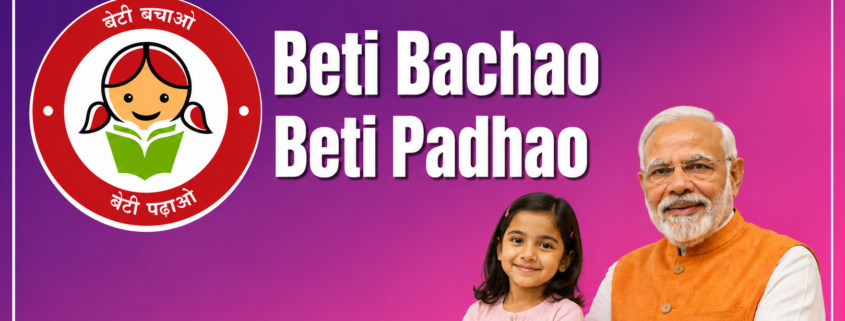
Introduction To Beti Bachao Beti Padhao

A nation’s progress depends significantly on the status of its women and girls. Educated, empowered, and healthy women contribute not only to their families but also to the economic and social development of the entire country. However, for many years, India faced serious challenges related to gender discrimination, declining child sex ratios, limited access to education for girls, and societal barriers that restricted opportunities for daughters.

Issues such as gender-biased sex selection, unequal access to education, early marriage, and discrimination against girls highlighted the urgent need for a nationwide movement that could change mindsets and create a more inclusive society.

To address these concerns and ensure that every girl child receives equal opportunities, the Government of India launched the Beti Bachao Beti Padhao (BBBP) initiative. The campaign aims to protect, educate, and empower girls by addressing gender inequality and promoting the value of daughters in society.

Since its launch, Beti Bachao Beti Padhao has become one of India’s most significant social campaigns, creating awareness about the importance of the girl child and encouraging communities to invest in their daughters’ education and future.

In this article, we will explore everything about Beti Bachao Beti Padhao, including its objectives, features, benefits, implementation strategy, achievements, and its role in shaping a more gender-equal India.


What is Beti Bachao Beti Padhao?

Beti Bachao Beti Padhao (BBBP) is a flagship initiative of the Government of India launched on 22 January 2015 with the objective of addressing issues related to the declining Child Sex Ratio (CSR) and promoting the education and empowerment of girls.

The initiative was launched as a collaborative effort of:

  • Ministry of Women and Child Development
  • Ministry of Education
  • Ministry of Health and Family Welfare

The campaign focuses on changing societal attitudes toward daughters and ensuring that girls have equal access to education, healthcare, and opportunities for growth.

The slogan of the initiative, “Save the Daughter, Educate the Daughter,” reflects its dual objective of protecting the girl child and empowering her through education.


Why Was Beti Bachao Beti Padhao Introduced?

India has made remarkable progress in many sectors, but gender inequality remained a significant concern in several parts of the country.

Some major challenges that led to the introduction of BBBP include:

  • Declining child sex ratio
  • Gender-biased sex selection practices
  • Discrimination against girl children
  • Lower school enrollment among girls
  • Early marriage and social barriers
  • Limited educational and career opportunities
  • Gender stereotypes and unequal treatment

The Government recognized that sustainable development is impossible without ensuring equal opportunities for girls and women.

Beti Bachao Beti Padhao was introduced as a national movement to encourage communities, families, and institutions to value daughters and invest in their future.


Objectives of Beti Bachao Beti Padhao

The initiative has several important objectives.

1. Prevent Gender-Biased Sex Selection

One of the primary objectives is to address the issue of declining child sex ratio and prevent discriminatory practices against girls.

2. Ensure Survival and Protection of Girls

The initiative aims to improve the health, safety, and overall well-being of girl children.

3. Promote Education of Girls

Ensuring equal access to education for girls is one of the central goals of the campaign.

4. Empower Girls to Achieve Their Potential

The initiative seeks to create an environment where girls can pursue education, careers, and leadership opportunities.

5. Change Social Mindsets

The campaign encourages society to recognize the value and importance of daughters.


Key Components of Beti Bachao Beti Padhao

The BBBP initiative operates through three major pillars:

Advocacy and Awareness Campaigns

Large-scale awareness campaigns are conducted to educate communities about:

  • Importance of girl children
  • Gender equality
  • Education for girls
  • Prevention of gender discrimination
  • Women empowerment

These campaigns aim to bring long-term behavioral and social change.


Multi-Sectoral Interventions

The initiative brings together various government departments and local institutions to improve:

  • Health services
  • Nutrition
  • Education
  • Safety and protection of girls
  • Community participation

This integrated approach ensures that girls receive support at multiple levels.


Community Participation

Community involvement plays a vital role in the success of BBBP.

The initiative encourages participation from:

  • Parents
  • Teachers
  • Local governments
  • Women’s groups
  • NGOs
  • Community leaders
  • Educational institutions

The objective is to make gender equality a collective responsibility.


Key Features of Beti Bachao Beti Padhao

Nationwide Campaign

The initiative is implemented across the country through awareness activities, community outreach, and government programs.


Focus on Girl Child Education

Special emphasis is placed on increasing school enrollment and reducing dropout rates among girls.


Promoting Gender Equality

The campaign seeks to eliminate stereotypes and encourage equal opportunities for girls and boys.


Encouraging Financial Security for Girls

The initiative also promotes awareness about schemes that support the welfare and education of girls, including:

  • Sukanya Samriddhi Yojana
  • Scholarship schemes
  • Skill development initiatives
  • Educational support programs

Collaboration Between Multiple Ministries

The combined efforts of different ministries strengthen the implementation and effectiveness of the initiative.


Benefits of Beti Bachao Beti Padhao

1. Improved Awareness About Gender Equality

The campaign has helped create nationwide awareness regarding the importance of girls and women’s rights.


2. Increased School Enrollment of Girls

Many regions have witnessed improvements in the enrollment and retention of girls in schools.


3. Better Access to Opportunities

The initiative encourages families to support girls in pursuing education and careers.


4. Improved Social Status of Women

By promoting gender equality, the campaign contributes to improving the position of women in society.


5. Reduction in Discriminatory Practices

Continuous awareness campaigns help challenge traditional biases and encourage positive social change.


6. Greater Community Participation

Communities increasingly recognize the importance of investing in daughters and supporting their aspirations.


Major Areas of Focus Under BBBP

The campaign focuses on several important areas.

Education

  • Increasing school enrollment
  • Reducing dropout rates
  • Encouraging higher education for girls

Health and Nutrition

  • Improving maternal and child healthcare
  • Promoting proper nutrition
  • Ensuring healthcare accessibility

Safety and Protection

  • Creating awareness regarding child protection
  • Preventing child marriage
  • Encouraging safe environments for girls

Economic Empowerment

  • Promoting financial literacy
  • Encouraging skill development
  • Supporting entrepreneurship opportunities for women

Achievements of Beti Bachao Beti Padhao

Since its launch, the initiative has contributed significantly toward improving awareness regarding gender equality and girl child education.

Some notable achievements include:

  • Increased public awareness about the value of daughters
  • Greater focus on girls’ education
  • Improved community participation
  • Stronger support for women empowerment initiatives
  • Increased adoption of girl child welfare schemes

While challenges remain, BBBP has played an important role in changing societal attitudes and encouraging positive behavioral change.


Challenges That Still Need Attention

Despite considerable progress, several challenges continue to exist.

Gender Stereotypes

Deep-rooted social attitudes still affect opportunities available to girls in certain regions.


School Dropout Rates

Economic and social factors continue to contribute to school dropouts among girls.


Early Marriage

In some areas, early marriage remains a challenge that limits educational opportunities.


Digital and Economic Gaps

Access to digital education and financial resources continues to differ across regions and communities.

Addressing these challenges requires continued efforts from governments, communities, educational institutions, and families.


How Beti Bachao Beti Padhao Supports India’s Vision of Women-Led Development

The Government of India has increasingly emphasized the concept of women-led development, where women become active participants and leaders in economic and social progress.

BBBP contributes to this vision by:

  • Promoting equal educational opportunities
  • Encouraging leadership among girls
  • Improving financial inclusion
  • Supporting women’s empowerment initiatives
  • Strengthening human capital development
  • Creating a more inclusive society

The campaign recognizes that empowering girls today creates stronger families, communities, and economies tomorrow.


Role of Parents and Society in the Success of BBBP

Government initiatives alone cannot create lasting social change. The success of Beti Bachao Beti Padhao also depends on:

  • Encouraging girls’ education
  • Supporting career aspirations
  • Providing equal opportunities
  • Challenging gender stereotypes
  • Creating safe and supportive environments

When families and communities invest in their daughters, the entire society benefits.


How Raiseonic Helps You Stay Updated on Government Schemes

Many citizens remain unaware of the various government initiatives designed to support women empowerment, education, entrepreneurship, and financial inclusion.

At Raiseonic, we simplify government schemes by providing easy-to-understand guides, expert insights, and regular updates on welfare programs, financial opportunities, startup initiatives, and social development schemes.

Whether you are looking for information about education schemes, women entrepreneurship initiatives, scholarships, financial assistance programs, or social welfare benefits, Raiseonic helps you stay informed and make better decisions.


Conclusion

The Beti Bachao Beti Padhao (BBBP) initiative is much more than a government campaign—it is a nationwide movement aimed at transforming societal attitudes and creating equal opportunities for every girl child in India.

By focusing on protection, education, and empowerment, the initiative is helping build a future where daughters are valued, educated, and encouraged to achieve their full potential.

As India moves toward inclusive and sustainable development, empowering girls remains one of the most important investments the nation can make. The success of Beti Bachao Beti Padhao demonstrates that when girls are given opportunities to learn, grow, and lead, they become powerful agents of change.

For the latest updates on government schemes, women empowerment initiatives, education programs, and financial opportunities, stay connected with Raiseonic—your trusted source for simplified government scheme information and guidance.