Introduction To Drone Didi Scheme

Agriculture has always been the backbone of India’s economy, providing livelihoods to millions of people across the country. Over the years, the government has introduced several initiatives to improve agricultural productivity, promote sustainable farming, and enhance farmers’ incomes. As technology continues to transform the agricultural sector, innovations such as drones are playing an increasingly important role in making farming more efficient, cost-effective, and environmentally sustainable.

While technological advancements have created new opportunities, rural women have often had limited access to modern agricultural tools and skill development. Recognizing this gap, the Government of India launched the Drone Didi Scheme, an initiative that combines technology with women empowerment by training women from Self-Help Groups (SHGs) to operate drones for agricultural purposes.

The scheme not only introduces advanced technology into Indian agriculture but also creates new livelihood opportunities for rural women. By enabling women to become certified drone operators and service providers, the Drone Didi Scheme supports both agricultural modernization and financial empowerment.

In this article, we will explore everything about the Drone Didi Scheme, including its objectives, features, benefits, eligibility criteria, implementation process, and its role in strengthening women-led rural development.


What is the Drone Didi Scheme?

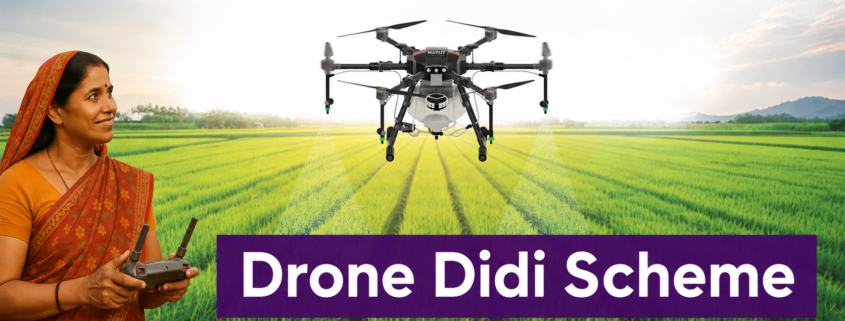
The Drone Didi Scheme is a Government of India initiative aimed at providing drones to selected Women Self-Help Groups (SHGs) and training their members to use drone technology for agricultural activities.

The scheme focuses on helping rural women become skilled drone operators who can offer drone-based services such as spraying fertilizers, pesticides, and crop nutrients to farmers. These services improve farming efficiency while creating an additional source of income for SHG members.

The government has announced the objective of supporting 15,000 Women Self-Help Groups with agricultural drones over a multi-year implementation period. Financial assistance is provided to eligible SHGs to make drone ownership more affordable.

The initiative supports the government’s vision of promoting technology-driven agriculture, women-led development, and rural entrepreneurship.


Why Was the Drone Didi Scheme Introduced?

Traditional farming methods often involve manual spraying of fertilizers and pesticides, which can be time-consuming, physically demanding, and sometimes hazardous for farmers. At the same time, many rural women possess the willingness to work and contribute economically but have limited access to advanced skill development and modern employment opportunities.

The Drone Didi Scheme was introduced to address both these challenges.

The major objectives behind the scheme include:

  • Introducing modern drone technology in agriculture
  • Improving farming efficiency and productivity
  • Creating sustainable income opportunities for rural women
  • Strengthening Women Self-Help Groups
  • Encouraging technology adoption in villages
  • Reducing manual labour and exposure to harmful chemicals
  • Supporting precision agriculture

By combining women empowerment with agricultural innovation, the scheme creates benefits for both farmers and rural communities.


Objectives of Drone Didi Scheme

The Drone Didi Scheme has several important objectives.

1. Empowering Rural Women

The primary objective is to create new livelihood opportunities by training women to operate drones professionally.

2. Modernizing Agriculture

The scheme encourages farmers to adopt precision farming techniques that improve productivity while reducing input costs.

3. Strengthening Self-Help Groups

Women Self-Help Groups become technology-enabled service providers capable of generating regular income through drone-based agricultural services.

4. Promoting Skill Development

Women receive technical training, operational knowledge, and certification, helping them build careers in emerging technologies.

5. Increasing Farmers’ Productivity

Drone-assisted spraying ensures faster coverage of fields, better application of fertilizers and pesticides, and reduced wastage.


Key Features of Drone Didi Scheme

Financial Assistance for Drone Purchase

The Government provides financial assistance to eligible Women Self-Help Groups for purchasing agricultural drones.

Eligible SHGs can receive financial support of up to 80% of the drone cost or ₹8 lakh, whichever is lower, making drone ownership more affordable. The remaining amount can generally be financed through institutional credit or other approved funding sources.


Professional Drone Training

Women selected under the scheme receive structured training that covers:

  • Drone operation
  • Flight safety
  • Agricultural spraying techniques
  • Basic drone maintenance
  • Digital record keeping
  • Government regulations related to drone usage

After successful completion, participants receive certification that enables them to provide professional drone services.


Agricultural Service Model

Instead of using drones only for their own farms, SHGs can offer drone services to farmers in nearby villages.

These services may include:

  • Fertilizer spraying
  • Pesticide spraying
  • Nano urea application
  • Crop nutrient spraying
  • Field monitoring (where applicable)

This creates a sustainable business model for rural women.


Technology Adoption in Villages

The scheme introduces advanced technology into rural areas, encouraging farmers to adopt modern agricultural practices.


Support for Precision Farming

Drone technology enables more accurate application of agricultural inputs, reducing wastage and improving efficiency.


Benefits of Drone Didi Scheme

1. New Income Opportunities for Women

The scheme enables rural women to earn regular income by providing drone services to local farmers.

Instead of relying only on traditional livelihood options, women can become technology-based service providers.


2. Faster Agricultural Operations

Drone spraying can cover several acres within a short period, significantly reducing the time required for fertilizer and pesticide application.


3. Reduced Labour Requirement

Manual spraying requires considerable physical effort.

Drone technology minimizes labour requirements while increasing operational efficiency.


4. Better Crop Management

Uniform spraying improves the effectiveness of fertilizers and pesticides, leading to healthier crops and potentially better yields.


5. Reduced Exposure to Chemicals

Traditional pesticide spraying exposes farmers to harmful chemicals.

Drone-based spraying reduces direct human contact with pesticides and improves worker safety.


6. Encourages Rural Entrepreneurship

The scheme transforms SHGs into small rural enterprises capable of providing specialized agricultural services.


Eligibility Criteria for Drone Didi Scheme

The scheme primarily targets Women Self-Help Groups that are actively engaged in rural development activities.

General eligibility includes:

  • Registered Women Self-Help Groups
  • SHGs associated with recognized rural livelihood missions
  • Willingness to undergo drone training
  • Ability to provide drone-based agricultural services
  • Compliance with applicable government guidelines

The exact eligibility conditions may vary according to implementation agencies and state-level guidelines.


Training Under Drone Didi Scheme

Training is one of the most important components of the initiative.

Participants learn:

Drone Flying Skills

Women receive practical training in operating agricultural drones safely and efficiently.


Safety Procedures

Training includes emergency handling, safe flying practices, and compliance with aviation regulations.


Agricultural Applications

Participants learn the correct techniques for spraying fertilizers, pesticides, and crop nutrients using drones.


Maintenance and Troubleshooting

Basic maintenance training helps ensure proper functioning and longer operational life of drones.


Business Management

Many training programs also include guidance on:

  • Customer service
  • Service pricing
  • Record maintenance
  • Financial management
  • Digital payments

This prepares SHGs to run sustainable drone service businesses.


Role of Self-Help Groups in the Scheme

Women Self-Help Groups play a central role in the implementation of the Drone Didi Scheme.

SHGs help by:

  • Identifying eligible women participants
  • Managing drone operations
  • Providing services to local farmers
  • Maintaining financial records
  • Generating community awareness
  • Expanding rural entrepreneurship

The scheme strengthens SHGs by enabling them to adopt technology-driven income-generating activities.


How Drone Technology is Transforming Indian Agriculture

Drone technology offers several advantages over conventional farming practices.

Some major applications include:

  • Precision fertilizer spraying
  • Accurate pesticide application
  • Crop health monitoring
  • Water management
  • Field mapping
  • Early pest detection
  • Reduced chemical wastage

These innovations contribute to sustainable agriculture while improving farm productivity.


Challenges in Implementing Drone Didi Scheme

Although the scheme has tremendous potential, certain challenges need continuous attention.

Awareness

Many SHGs and rural women are still unaware of the opportunities offered by the scheme.


Technical Learning Curve

Operating drones requires technical skills and confidence. Continuous training and support are important for long-term success.


Maintenance and Infrastructure

Regular maintenance, battery management, and repair facilities are essential for smooth drone operations.


Digital Literacy

Women may require additional training in digital tools, software applications, and online record management.

With sustained capacity building and institutional support, these challenges can be effectively addressed.


How Drone Didi Scheme Supports India’s Vision of Women-Led Development

The Drone Didi Scheme is much more than an agricultural initiative—it is a symbol of India’s transition toward women-led development.

The scheme contributes by:

  • Promoting women entrepreneurship
  • Encouraging technology adoption
  • Creating skilled employment
  • Increasing rural incomes
  • Supporting precision agriculture
  • Strengthening Self-Help Groups
  • Advancing Digital India
  • Contributing to Atmanirbhar Bharat

By placing advanced technology in the hands of rural women, the initiative demonstrates how innovation can become a powerful tool for inclusive growth.


How Raiseonic Helps You Stay Updated on Government Schemes

Government schemes often include detailed eligibility conditions, funding patterns, training requirements, and application procedures that may be difficult to understand.

At Raiseonic, we simplify complex government initiatives through detailed guides, practical insights, and easy-to-understand explanations. Our mission is to help entrepreneurs, farmers, students, women, MSMEs, and citizens discover government opportunities that can improve their lives and businesses.

Whether you are looking for agricultural schemes, women empowerment initiatives, startup funding, financial assistance, or social welfare programs, Raiseonic helps you stay informed with reliable and simplified information.


Conclusion

The Drone Didi Scheme represents a transformative step toward empowering rural women while modernizing Indian agriculture. By providing financial assistance, professional training, and access to drone technology, the scheme creates new income opportunities for Women Self-Help Groups and supports precision farming across the country.

As India embraces advanced agricultural technologies, initiatives like Drone Didi demonstrate how innovation and women empowerment can work together to create sustainable rural development. The scheme not only improves farming efficiency but also enables thousands of women to become skilled professionals and entrepreneurs in the emerging drone ecosystem.

For the latest updates on government schemes, women empowerment initiatives, agricultural programs, startup opportunities, and financial assistance, stay connected with Raiseonic—your trusted source for simplified government scheme information and guidance.
Introduction

Women entrepreneurship is emerging as a powerful force behind India’s economic and social transformation. Across the country, women are breaking traditional barriers and building successful businesses in sectors such as manufacturing, agriculture, handicrafts, services, technology, retail, and innovation. Their contribution not only creates employment opportunities but also strengthens families, communities, and the nation’s economy.

Despite this growing participation, many aspiring women entrepreneurs still face challenges such as limited access to finance, lack of business training, insufficient market exposure, and limited awareness of government support programs. Many talented women have innovative ideas and strong determination but require the right guidance, resources, and opportunities to transform their ideas into sustainable enterprises.

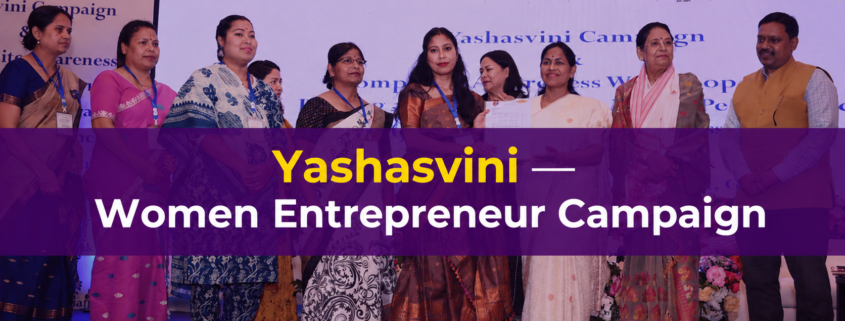
To address these challenges and encourage women-led development, the Government of India introduced the Yashasvini — Women Entrepreneur Campaign. This initiative aims to inspire, support, and empower women entrepreneurs by providing them with access to business knowledge, financial awareness, skill development opportunities, networking platforms, and information about various government schemes designed to promote entrepreneurship.

The campaign represents a significant step toward creating an inclusive entrepreneurial ecosystem where women are not just participants but leaders in India’s journey toward economic growth.

In this article, we will understand everything about the Yashasvini — Women Entrepreneur Campaign, including its objectives, key features, benefits, eligibility, implementation approach, and its role in strengthening women entrepreneurship in India.

What is the Yashasvini — Women Entrepreneur Campaign?

Yashasvini — Women Entrepreneur Campaign is an initiative launched by the Government of India to promote and support women entrepreneurship across the country. The campaign focuses on encouraging women to start, manage, and scale their own enterprises by connecting them with relevant government schemes, financial institutions, training programs, and business support mechanisms.

The initiative recognizes that women entrepreneurs require more than just financial assistance. They need access to mentorship, industry exposure, market connections, digital knowledge, and confidence-building opportunities to compete successfully in today’s business environment.

Through awareness programs, workshops, training sessions, and outreach activities, the campaign aims to reach women from diverse backgrounds, including rural areas, small towns, and underserved communities.

Why Was the Yashasvini Campaign Introduced?

India has witnessed a steady rise in women-owned enterprises, yet the percentage of women entrepreneurs remains relatively low compared to the country’s overall entrepreneurial potential. Several factors continue to limit women’s participation in business.

Some of the common challenges faced by women entrepreneurs include:

  • Limited access to credit and financial resources
  • Lack of awareness about government schemes and subsidies
  • Limited business management and technical skills
  • Challenges in reaching larger markets
  • Lack of professional networks and mentorship
  • Social and geographical barriers, especially in rural areas

The Yashasvini Campaign was introduced to bridge these gaps and create an enabling environment where women can confidently pursue entrepreneurship and contribute to India’s economic development.

Objectives of Yashasvini — Women Entrepreneur Campaign

The campaign has multiple objectives aimed at strengthening the women entrepreneurship ecosystem.

1. Encouraging Women Entrepreneurship

The primary objective is to motivate more women to explore entrepreneurship as a career option and transform innovative ideas into successful businesses.

2. Increasing Awareness of Government Schemes

Many women entrepreneurs are unaware of the financial assistance, subsidies, loans, and support programs available to them. The campaign helps spread awareness about these opportunities.

3. Promoting Skill Development

Yashasvini emphasizes training and capacity building so that women can develop essential entrepreneurial skills such as business planning, financial management, marketing, and digital literacy.

4. Improving Access to Finance

The campaign helps women understand different funding opportunities available through banks, financial institutions, and government-supported schemes.

5. Creating Networking Opportunities

By connecting women entrepreneurs with industry experts, mentors, successful business owners, and support organizations, the campaign helps build a stronger entrepreneurial community.

Key Features of Yashasvini — Women Entrepreneur Campaign

Awareness and Outreach Programs

The campaign conducts various awareness activities to inform women about entrepreneurship opportunities, government initiatives, financial schemes, and available support systems.

Entrepreneurial Training and Workshops

Women participants receive exposure to training sessions focused on:

  • Business idea development
  • Business planning
  • Financial literacy
  • Digital marketing
  • Branding and packaging
  • Customer understanding
  • Market strategies
  • Business growth techniques

These skills help women transform their small enterprises into sustainable and competitive businesses.

Mentorship and Guidance

One of the important aspects of the campaign is providing guidance from experienced professionals and successful entrepreneurs. Mentorship helps women overcome practical business challenges and make better decisions.

Support for Rural and Grassroots Women

Special attention is given to women from rural areas and grassroots communities, where access to business resources and information is often limited.

The campaign helps bring entrepreneurship opportunities closer to women who have traditionally remained outside formal business ecosystems.

Digital Empowerment

In today’s technology-driven economy, digital knowledge is essential for business success. The campaign promotes digital skills such as:

  • Using online platforms for business
  • Digital payments
  • Social media marketing
  • Online customer engagement
  • E-commerce opportunities

This helps women entrepreneurs reach wider markets beyond their local areas.

Benefits of Yashasvini — Women Entrepreneur Campaign

1. Increased Entrepreneurial Awareness

Women gain information about the steps involved in starting and growing a business, helping them make informed entrepreneurial decisions.

2. Better Access to Government Support

The campaign connects women with government schemes, financial institutions, and business development initiatives that can support their growth.

3. Improved Business Skills

Training programs help participants develop managerial, financial, and marketing skills necessary for running successful enterprises.

4. Financial Independence

Entrepreneurship allows women to generate their own income, strengthen their financial position, and contribute to their families and communities.

5. Employment Generation

Successful women-led enterprises often create jobs for other people, especially women from local communities, leading to broader economic development.

6. Greater Confidence and Leadership

Running a business enhances confidence, decision-making abilities, leadership skills, and social recognition among women.

Who Can Benefit from the Yashasvini Campaign?

The campaign is beneficial for a wide range of women, including:

  • Women who want to start their own business
  • Existing women entrepreneurs seeking to expand their enterprises
  • Women-led Self-Help Groups (SHGs)
  • Rural women interested in income-generating activities
  • Women involved in traditional crafts and local products
  • Students and young women interested in entrepreneurship
  • Women operating micro and small enterprises

The campaign aims to include women from diverse educational, social, and economic backgrounds.

Role of Yashasvini in Strengthening India’s Women-Led Development Vision

The Government of India has increasingly emphasized the idea of women-led development, where women become active contributors to economic growth rather than only beneficiaries of welfare programs.

Yashasvini contributes to this vision by:

  • Encouraging women to become business owners
  • Supporting local and rural enterprises
  • Improving women’s participation in the economy
  • Promoting innovation and self-employment
  • Creating sustainable livelihood opportunities
  • Strengthening grassroots entrepreneurship

By empowering women entrepreneurs, the campaign contributes to building a more inclusive and self-reliant India.

Challenges Faced by Women Entrepreneurs and How Yashasvini Addresses Them

Even today, many women face obstacles while starting and growing businesses.

Lack of Financial Awareness

Many women are unaware of available loans, subsidies, and financial schemes. The campaign provides information and guidance regarding financial opportunities.

Limited Market Access

Small businesses often struggle to find customers outside their local areas. Through awareness of branding, marketing, and digital platforms, women can expand their market reach.

Skill Gaps

Business success requires knowledge of planning, finance, and customer management. Training programs under the campaign help address these gaps.

Low Confidence and Lack of Networks

Mentorship and networking opportunities create an environment where women can learn from others, share experiences, and gain confidence.

How Yashasvini Supports India’s Startup and MSME Ecosystem

Women-led businesses are an important part of India’s startup and MSME ecosystem. By increasing the number of women entrepreneurs, the country can unlock new ideas, innovation, and employment opportunities.

Yashasvini supports this ecosystem by encouraging women to establish enterprises in sectors such as:

  • Manufacturing
  • Agriculture and food processing
  • Handicrafts and textiles
  • Retail and services
  • Technology and digital businesses
  • Social enterprises

A stronger women entrepreneurship ecosystem contributes to economic diversification and sustainable growth.

How Raiseonic Helps Women Entrepreneurs Access Government Opportunities

Many women entrepreneurs have the talent and determination to build successful businesses but may struggle to understand government schemes, subsidies, funding options, and application processes.

At Raiseonic, we simplify government initiatives and provide easy-to-understand information on schemes related to women entrepreneurship, MSME development, startup funding, financial assistance, and skill development.

Our goal is to help aspiring and existing women entrepreneurs discover suitable government opportunities and make informed decisions for their business growth.

Whether you are planning to launch a startup, expand a small business, or explore government support programs, Raiseonic helps you stay updated with the latest opportunities available for your entrepreneurial journey.

Conclusion

The Yashasvini — Women Entrepreneur Campaign is an important initiative aimed at creating a stronger ecosystem for women entrepreneurs in India. By spreading awareness, promoting skill development, improving financial literacy, and connecting women with valuable resources, the campaign encourages more women to transform their ideas into successful businesses.

Women entrepreneurship has the potential to bring significant economic and social change. When women receive the right support, they create jobs, introduce innovation, and inspire future generations of entrepreneurs.

Initiatives like Yashasvini are helping India move closer to the vision of a women-led and self-reliant economy where every woman with an idea and ambition has the opportunity to succeed.

For the latest updates on government schemes, startup support, funding opportunities, subsidies, and women entrepreneurship initiatives, stay connected with Raiseonic—your trusted platform for simplified government scheme information and business growth guidance.

Introduction To Annapurna Yojana

Food security is one of the most fundamental necessities for a healthy and dignified life. However, a significant number of elderly citizens in India, especially those living below the poverty line and without adequate family support, face challenges in accessing regular and nutritious food. Old age often brings financial dependency, health issues, and reduced earning capacity, making it difficult for many senior citizens to meet their basic needs.

Recognizing this challenge, the Government of India launched the Annapurna Yojana to provide food support to elderly citizens who are unable to secure their daily nutritional requirements. The scheme acts as a social safety net for vulnerable senior citizens by providing free food grains and helping them live with greater dignity and security.

Annapurna Yojana is an important step toward strengthening India’s social welfare system and ensuring that no elderly person suffers from hunger due to financial hardship. It complements other old-age welfare schemes and reflects the government’s commitment to protecting the rights and well-being of senior citizens.

In this article, we will understand everything about Annapurna Yojana, including its objectives, benefits, eligibility criteria, application process, implementation, and its role in improving the lives of elderly citizens.

What is Annapurna Yojana?

Annapurna Yojana is a social welfare scheme introduced by the Government of India under the Ministry of Rural Development. It was launched on 1st April 2000 with the objective of providing free food grains to eligible senior citizens who are unable to receive benefits under the National Old Age Pension Scheme (NOAPS).

Under the scheme, eligible elderly citizens receive 10 kilograms of food grains per month free of cost. The primary purpose of this support is to ensure food security for senior citizens who have no regular source of income and are unable to afford their basic nutritional needs.

The scheme mainly targets older persons who are economically vulnerable and are not covered under pension assistance despite being eligible for old-age welfare support.

Why Was Annapurna Yojana Introduced?

India has a large population of elderly citizens, many of whom live in financially difficult circumstances. With increasing age, the ability to work and earn decreases, and many senior citizens become dependent on their families or society for support.

While pension schemes provide financial assistance to many elderly individuals, some eligible citizens remain outside the pension system due to limited availability of pension slots, administrative delays, or other reasons. Such individuals are at a greater risk of hunger and malnutrition.

Annapurna Yojana was introduced to bridge this gap by ensuring that elderly citizens who are unable to receive old-age pensions still receive basic food support from the government.

The scheme reflects the principle that every citizen deserves access to food and a life of dignity, irrespective of their economic condition or age.

Objectives of Annapurna Yojana

The Annapurna Yojana has several important objectives aimed at improving the quality of life of elderly citizens.

1. Ensuring Food Security

The primary objective of the scheme is to provide a minimum quantity of food grains to economically disadvantaged senior citizens so that they do not suffer from hunger.

2. Supporting Vulnerable Elderly Citizens

The scheme focuses on elderly people who do not have a reliable source of income or adequate financial support.

3. Reducing Hunger and Malnutrition

By providing regular food grains, Annapurna Yojana helps reduce the risk of hunger and nutritional deficiencies among poor senior citizens.

4. Promoting Social Welfare

The scheme strengthens the government’s social security network by extending assistance to individuals who are often the most vulnerable members of society.

5. Providing Dignity in Old Age

Access to basic necessities like food allows senior citizens to live with greater independence, self-respect, and dignity.

Key Features of Annapurna Yojana

The scheme includes several features that make it a crucial welfare initiative for elderly citizens.

Free Food Grain Assistance

Eligible beneficiaries receive 10 kilograms of food grains every month free of cost. The food grains are generally provided through the Public Distribution System (PDS).

Central Government Initiative

The scheme was introduced by the Government of India and is implemented with the support of state governments and local administrative authorities.

Targeted Support

Annapurna Yojana specifically targets elderly citizens who are eligible for old-age pension benefits but are not receiving pension support.

Focus on Rural and Economically Weaker Sections

The scheme primarily benefits senior citizens belonging to poor households, especially those living in rural areas with limited financial resources.

Simple Benefit Structure

Unlike schemes that involve complex financial transactions, Annapurna Yojana directly provides food grains, ensuring that beneficiaries receive immediate support for their nutritional needs.

Benefits of Annapurna Yojana

1. Protection Against Hunger

The biggest benefit of Annapurna Yojana is that it protects vulnerable elderly citizens from hunger by guaranteeing a minimum supply of food grains.

2. Financial Relief

Since beneficiaries receive food grains free of cost, they can reduce their monthly household expenses and use their limited income for other necessities such as healthcare and medicines.

3. Better Nutrition and Health

Regular access to food contributes to better nutrition and supports the overall health and well-being of senior citizens.

4. Improved Quality of Life

The scheme provides a sense of security and reduces the uncertainty faced by elderly individuals regarding their daily food requirements.

5. Social Inclusion

Annapurna Yojana ensures that elderly citizens who are left out of pension schemes are not neglected and continue to receive government support.

Eligibility Criteria for Annapurna Yojana

To receive benefits under the Annapurna Yojana, applicants must meet certain eligibility requirements.

Age Requirement

The applicant must be 65 years of age or above.

Economic Condition

The applicant should belong to a financially weaker section and generally be identified under the criteria prescribed by the respective government authorities.

Pension Status

The most important condition is that the individual should be eligible for the National Old Age Pension Scheme but should not be receiving pension benefits under that scheme.

Residency

The applicant must be a resident of the concerned state or union territory where the application is submitted.

Since implementation guidelines may vary across states, applicants should verify specific requirements with local authorities.

How to Apply for Annapurna Yojana

The application process for Annapurna Yojana is generally managed by state governments and local administrative offices.

Step 1: Contact the Local Authorities

Eligible applicants can visit the nearest Gram Panchayat office, Block Development Office, or local social welfare department to obtain information about the scheme.

Step 2: Collect the Application Form

Applicants need to collect and fill out the Annapurna Yojana application form provided by the concerned authority.

Step 3: Submit Required Documents

Common documents that may be required include:

  • Age proof such as Aadhaar card, birth certificate, or other valid documents
  • Address proof
  • Identity proof
  • Proof of eligibility for old-age pension
  • Passport-size photographs
  • Any additional documents requested by the local authority

Step 4: Verification Process

Government officials verify the applicant’s eligibility, documents, and financial status before approving the benefits.

Step 5: Distribution of Food Grains

Once approved, beneficiaries receive food grains through the designated Public Distribution System channels or other authorized distribution points.

Documents Required for Annapurna Yojana

Applicants may generally require the following documents:

  • Aadhaar card
  • Age proof certificate
  • Residence certificate
  • Passport-size photographs
  • Ration card (where applicable)
  • Proof related to old-age pension eligibility
  • Income or poverty-related certificates as required by the state government

Applicants should confirm the exact documentation requirements with their local administrative offices because requirements can differ across states.

Challenges in Implementation

While Annapurna Yojana has benefited many elderly citizens, certain challenges remain in ensuring complete coverage.

Lack of Awareness

Many eligible senior citizens are unaware of the scheme and therefore fail to apply for the benefits.

Identification of Beneficiaries

Identifying all eligible elderly citizens, especially those living in remote rural areas, remains a challenge.

Administrative Delays

Delays in verification and approval can sometimes prevent timely access to benefits.

Need for Better Outreach

Greater awareness campaigns, community involvement, and improved local administration can help ensure that more deserving citizens receive support.

Role of Annapurna Yojana in India’s Social Security System

Annapurna Yojana plays an important role in strengthening India’s social welfare framework. It complements pension schemes by ensuring that elderly citizens who remain outside the pension system still receive basic food support.

The scheme demonstrates the government’s commitment toward inclusive growth, social justice, and the welfare of senior citizens. By addressing food insecurity among the elderly, it contributes to a more compassionate and equitable society.

How Raiseonic Helps You Stay Informed About Government Welfare Schemes

Many citizens remain unaware of the various government schemes available for their financial security, food assistance, healthcare, entrepreneurship, and social welfare. Understanding eligibility criteria, required documentation, and application procedures can often be confusing.

At Raiseonic, we aim to simplify government schemes and make important information accessible to everyone. Through detailed guides, expert insights, and regular updates, we help individuals understand opportunities and welfare programs introduced by the government.

Whether you are looking for information about social security schemes, financial assistance programs, women empowerment initiatives, startup support, or MSME benefits, Raiseonic serves as your trusted source for reliable and simplified government scheme knowledge.

Conclusion

Annapurna Yojana is a significant welfare initiative that ensures vulnerable elderly citizens do not suffer from hunger and food insecurity. By providing 10 kilograms of free food grains every month to eligible senior citizens, the scheme protects the dignity and well-being of those who need support the most.

Although challenges such as awareness and implementation remain, the scheme continues to play an important role in India’s social security system. With stronger outreach and effective implementation, Annapurna Yojana has the potential to reach more deserving elderly citizens and improve their quality of life.

For individuals seeking reliable information on government schemes and welfare initiatives, staying updated is essential. Follow Raiseonic for simplified explanations, latest updates, and expert guidance on government opportunities that can help improve lives and create a more secure future.

Introduction

Women entrepreneurship has become one of the strongest pillars of India’s economic growth and social transformation. Across villages, towns, and cities, millions of women are creating exceptional products through their creativity, skills, and determination. From handmade crafts and traditional textiles to food products, organic goods, and home-based services, women-led enterprises are contributing significantly to local economies.

However, despite having quality products and entrepreneurial talent, many women face challenges in reaching larger markets. Limited access to customers, dependency on middlemen, lack of digital knowledge, and inadequate marketing opportunities often restrict the growth of their businesses.

To address these challenges and empower women entrepreneurs, the Government of India introduced SHE-Marts, a dedicated marketplace initiative designed to provide women, particularly members of Self-Help Groups (SHGs), with better market access and opportunities to sell their products directly to consumers.

SHE-Marts aims to create an ecosystem where women entrepreneurs can showcase their products, expand their customer base, increase their earnings, and become financially independent. The initiative represents a major step toward strengthening women-led enterprises and promoting inclusive economic development.

In this article, we will understand everything about SHE-Marts, including its purpose, features, benefits, eligibility, implementation, challenges, and its role in shaping the future of women entrepreneurship in India.

What is SHE-Marts?

SHE-Marts is a marketplace initiative introduced to support women entrepreneurs and Self-Help Groups by providing them with a platform to display and sell their products. The concept focuses on connecting women producers directly with consumers, thereby reducing the dependence on multiple intermediaries and enabling better income generation.

The term SHE represents the strength, creativity, and entrepreneurial potential of women, while Marts refers to organized marketplaces where products can reach a wider audience.

Through SHE-Marts, women involved in small-scale manufacturing, handicrafts, agriculture-based products, food processing, textiles, and other home-based industries can receive greater visibility for their work.

The initiative aligns with India’s broader vision of women-led development, rural empowerment, and strengthening local enterprises under the spirit of Vocal for Local and self-reliant economic growth.

Why Was SHE-Marts Introduced?

India has millions of women who possess valuable traditional skills and entrepreneurial abilities. Many of them are associated with Self-Help Groups and micro-enterprises that produce high-quality goods. However, their businesses often remain confined to local markets due to various limitations.

Some of the major challenges faced by women entrepreneurs include:

  • Lack of access to large customer markets
  • Limited knowledge of branding and marketing
  • Dependence on local sellers or middlemen
  • Difficulty in obtaining fair prices for products
  • Lack of awareness about digital selling platforms
  • Limited exposure to modern business practices

SHE-Marts was introduced to overcome these barriers by creating a structured marketplace where women can independently market their products and improve their income opportunities.

The initiative also helps preserve traditional art forms and local craftsmanship by giving them access to a larger consumer base.

Objectives of SHE-Marts

The primary objective of SHE-Marts is to economically empower women by creating better business opportunities. The major goals of the initiative include:

1. Promoting Women Entrepreneurship

SHE-Marts encourages women to start and expand their businesses by giving them a reliable platform to sell their products.

2. Improving Market Access

One of the biggest barriers for small women entrepreneurs is reaching customers beyond their local area. SHE-Marts helps connect them with broader markets.

3. Eliminating Dependence on Middlemen

By enabling direct interaction between producers and consumers, women can receive better prices and higher profits for their products.

4. Increasing Financial Independence

Higher sales and improved income opportunities help women become financially stronger and contribute more actively to their households and communities.

5. Encouraging Rural Development

Many SHGs are located in rural areas. By promoting their products, SHE-Marts contributes to employment generation and economic development in villages.

Key Features of SHE-Marts

SHE-Marts provides several features that make it a valuable initiative for women entrepreneurs.

Dedicated Marketplace for Women

It offers a dedicated platform where women-owned businesses and SHGs can display their products and connect with potential buyers.

Promotion of Local Products

The initiative supports locally produced goods and helps traditional products gain recognition beyond regional boundaries.

Better Income Opportunities

With access to a wider customer network and reduced involvement of intermediaries, women can improve their earning potential.

Support for Self-Help Groups

SHGs play a major role in rural entrepreneurship. SHE-Marts provides these groups with a platform to convert their skills into sustainable businesses.

Encouragement of Digital and Modern Selling Practices

The initiative promotes the adoption of digital platforms, online selling, product branding, and modern marketing methods among women entrepreneurs.

Types of Products Available Through SHE-Marts

SHE-Marts provides opportunities for a wide variety of women-made products. Some common categories include:

Handicrafts and Handmade Items

Traditional crafts, decorative products, handmade accessories, and artistic creations prepared by women artisans can be promoted through SHE-Marts.

Textiles and Clothing

Products such as handloom fabrics, embroidered garments, traditional clothing, and customized apparel receive greater visibility through organized marketplaces.

Food and Processed Products

Women involved in preparing homemade food items, snacks, pickles, spices, and processed agricultural products can reach a larger customer base.

Natural and Eco-Friendly Products

Organic products, environmentally friendly items, and sustainable goods can find new markets through SHE-Marts.

Household and Lifestyle Products

Various home utility products, accessories, and lifestyle goods created by women entrepreneurs can also be showcased.

Benefits of SHE-Marts for Women Entrepreneurs

Increased Visibility

Many women produce excellent products but struggle to make customers aware of them. SHE-Marts helps them gain visibility among a larger audience.

Higher Income Potential

Direct selling reduces unnecessary commissions and enables women to earn better returns for their efforts.

Development of Business Skills

Participation in organized marketplaces encourages women to learn important skills such as pricing, packaging, customer communication, branding, and marketing.

Confidence and Social Empowerment

Financial independence improves confidence and allows women to participate more actively in social and economic decision-making.

Employment Generation

Growing women-led businesses can create employment opportunities for other women in their communities.

Role of Self-Help Groups (SHGs) in SHE-Marts

Self-Help Groups are among the biggest beneficiaries of SHE-Marts. Across India, thousands of SHGs are involved in activities such as agriculture processing, handicrafts, textiles, and small-scale production.

However, many SHGs face challenges in selling their products beyond local markets. SHE-Marts provides them with an opportunity to connect with larger audiences, improve sales, and build sustainable enterprises.

By strengthening SHGs, the initiative also supports rural development, community participation, and inclusive economic growth.

How SHE-Marts Supports the Vision of Women-Led Development

The Government of India has increasingly focused on transforming women from beneficiaries of welfare programs into active leaders of economic growth.

SHE-Marts contributes to this vision by:

  • Encouraging women to become entrepreneurs
  • Providing equal economic opportunities
  • Supporting rural and grassroots enterprises
  • Promoting local products and traditional skills
  • Creating sustainable sources of income
  • Strengthening the role of women in the economy

The initiative reflects the larger goal of building a society where women are not only participants but also leaders in business and innovation.

Challenges and the Way Forward

While SHE-Marts has the potential to transform women entrepreneurship, continuous efforts are required to maximize its impact.

Some areas that require attention include:

Digital Literacy

Many rural women may require training to understand online platforms, digital payments, and e-commerce processes.

Product Standardization

Improving packaging, maintaining quality standards, and developing strong branding can help women compete in larger markets.

Awareness and Outreach

More awareness campaigns are necessary so that eligible women entrepreneurs and SHGs can take advantage of the initiative.

Training and Capacity Building

Regular workshops on business management, marketing, financial literacy, and customer engagement can help women achieve long-term success.

With proper support and infrastructure, SHE-Marts can become a powerful platform for millions of women entrepreneurs across India.

How Raiseonic Helps Women Entrepreneurs Explore Government Opportunities

Many women entrepreneurs and Self-Help Groups are unaware of government initiatives that can support their growth. Understanding eligibility criteria, registration procedures, documentation requirements, and available benefits can often be challenging.

At Raiseonic, we simplify access to government schemes, funding opportunities, subsidies, and entrepreneurial support programs. Our goal is to spread awareness and provide expert guidance so that women entrepreneurs can make informed decisions for the growth of their businesses.

Whether you are a startup founder, an MSME owner, a Self-Help Group, or a first-time entrepreneur, Raiseonic helps you discover the right government opportunities that align with your business goals.

Conclusion

SHE-Marts is more than just a marketplace—it is a movement toward creating financially independent, confident, and successful women entrepreneurs across India. By providing market access, reducing dependence on middlemen, promoting local products, and supporting Self-Help Groups, the initiative opens new doors for women-led enterprises.

As India moves toward becoming a stronger and more inclusive economy, empowering women entrepreneurs will play a crucial role in this journey. Initiatives like SHE-Marts ensure that the skills, creativity, and hard work of millions of women receive the recognition and market opportunities they truly deserve.

For women entrepreneurs looking to expand their reach and understand government initiatives that can support their growth, staying informed is the first step. Follow Raiseonic for the latest updates on government schemes, subsidies, funding opportunities, and business growth initiatives that can help transform your entrepreneurial journey.

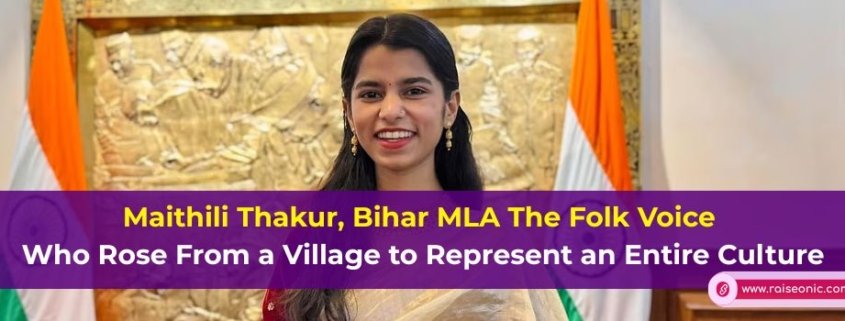
Maithili Thakur

Maithili Thakur’s journey is one of the most inspiring cultural stories of modern India—a story where talent meets discipline, where simplicity meets global recognition, and where the voice of a young girl becomes powerful enough to represent an entire state. Today, she stands not only as one of India’s most beloved folk singers but also as a nominated Bihar MLA (MLA Bihar), honoured for her extraordinary contribution to Indian classical, folk, and regional art forms.

What makes her journey truly extraordinary is its purity. Maithili did not rise to fame through glamour, movie labels, or industry connections. She rose through devotion to music, dedication to her roots, and relentless consistency. Her rise is proof that culture, when nurtured with sincerity, can become a force strong enough to influence society.

As one of the youngest cultural icons to be nominated to the Bihar Legislative Assembly, Maithili Thakur represents something far beyond fame—she represents cultural leadership, responsibility, and the pride of Bihar.


Early Life: Childhood in the Heart of Mithila

Born in 2000 in Benipatti, a serene village in the Madhubani district of Bihar, Maithili grew up surrounded by the rich heritage of Mithila. Her home was simple, but it echoed with the sounds of tabla, harmonium, and devotional singing. Her father, Rambhajan Thakur, a classical singer and music teacher, identified her extraordinary musical ability when she was just a child.

Long before fame found her, her life revolved around:

  • Early morning riyaaz

  • Learning ragas and taals

  • Singing bhajans

  • Understanding the depth of folk poetry

Her brothers, Rishav and Ayachi, were trained alongside her. Together, they formed a musical trio that would later win the hearts of millions across the world.

Their home lacked luxuries, but it was rich in dedication, discipline, and cultural depth. For Maithili, music wasn’t a hobby—it was a way of life, a connection to her identity, and a bridge to her ancestors.

This early exposure to folk and classical traditions shaped her into the artist she is today.


Leaving the Village for Delhi: A Turning Point Filled With Struggles

To give their children a better environment for training and opportunities, the Thakur family moved to Delhi. But life in the city was far from easy.

They faced challenges like:

  • Small, cramped rented rooms

  • Limited income

  • Financial pressure due to music training and school

  • Long travels across the city for competitions

  • Performing at small gatherings to support the family

  • Managing music practice in busy and noisy surroundings

Despite all of this, the family held onto their dreams. Maithili remained focused, her father remained determined, and her brothers remained supportive.

These hardships became stepping stones. They didn’t break her spirit—they strengthened it.


Rising Star 2017: The Moment That Changed Everything

In 2017, Maithili Thakur participated in the reality singing show Rising Star. Her very first performance went viral, and millions connected instantly with her voice.

Her singing stood out because:

  • Her voice was pure and untouched by commercial influence

  • She displayed outstanding classical training

  • Her style carried the emotional depth of folk traditions

  • Her simplicity radiated authenticity

Even though she finished as the runner-up, she emerged as a national sensation. People admired her humility—she performed without glamour, without flashy costumes, without artificial drama.

The show brought her into the national spotlight. But her real stardom was yet to begin.


Social Media: Her Real Stage, Her Real Stardom

Instead of pursuing Bollywood singing, Maithili chose a different path. She, along with her brothers, began posting music videos on:

  • YouTube

  • Facebook

  • Instagram

These videos were extremely simple:

  • A harmonium

  • A tabla

  • Three siblings sitting together

  • Natural lighting

  • No makeup

  • No studio equipment

Yet these videos touched millions of hearts.

People around the world felt connected to her because she represented a truth that is rare today—raw, honest talent rooted deeply in culture.

Through social media, she revived many dying folk traditions, especially:

  • Maithili folk songs

  • Bhojpuri lok geet

  • Regional festival songs

  • Classical bandishes

  • Traditional wedding songs

Her voice brought back melodies that were disappearing. She made regional music proud again.

Over time, her followers grew into millions. She became the digital face of Indian folk culture.


The Ramayan Series: A Cultural Gift to the Nation

During the 2020 lockdown, Maithili and her brothers began a devotional project—singing daily Ramayan verses and sharing them online.

This series became incredibly popular. Families listened together. Elders felt emotional. Youth reconnected with culture.

Her Ramayan videos became:

  • A source of comfort during an uncertain time

  • A way to unite families

  • A revival of timeless devotional traditions

  • A symbol of spiritual healing

Many still consider this one of the most meaningful contributions she has made.


The Unique Maithili Style: Simplicity, Purity, and Emotion

Maithili’s singing style is a rare blend of:

  • Simplicity

  • Classical precision

  • Folk flavour

  • Deep emotional expression

  • Cultural richness

Her voice is sweet, steady, and deeply expressive. She doesn’t need heavy instruments or auto-tuning. Her music feels alive, natural, and rooted.

She represents the soul of Mithila, the pride of Bihar, and the beauty of Indian classical tradition.


Awards, Recognition, and Global Influence

Throughout her journey, Maithili has received prestigious awards and honours, including:

  • Ustad Bismillah Khan Yuva Puraskar

  • National and state-level cultural honours

  • Invitations to perform on international stages

  • Massive digital popularity

She has performed in:

  • USA

  • UK

  • UAE

  • Mauritius

  • Nepal

  • Multiple Indian states

Wherever she goes, she carries the fragrance of her culture.


Maithili Thakur as Bihar MLA: A Cultural Milestone

One of the highest recognitions in Maithili’s journey came when she was nominated as a Member of the Bihar Legislative Assembly (Bihar MLA) for her unparalleled contribution to folk music and cultural preservation.

Why was she chosen as MLA Bihar?

Because she has:

  • Promoted Maithili language globally

  • Revived dying folk traditions

  • Brought attention to Bhojpuri and regional music

  • Inspired millions of young artists

  • Represented Bihar on international platforms

  • Uplifted the dignity of cultural professions

Her nomination shows that art is not just entertainment—it’s a cultural responsibility.

What does being Bihar MLA mean for her future?

As a Bihar MLA, she now has the platform to:

  • Raise issues about cultural preservation

  • Promote folk artists in rural Bihar

  • Strengthen the Maithili language at an academic level

  • Initiate cultural development programs

  • Support young artists with resources and training

Her voice, once a village melody, now has the power to shape cultural policy.


Bond with Mithila Lok Aayog

Maithili was also honoured by the Mithila Lok Aayog, an institution that celebrates individuals preserving Mithila’s identity.

She is widely recognized as:

  • The voice of Mithila

  • The modern face of traditional art

  • A cultural ambassador

  • A leader who embodies her roots

Her success brings pride to the entire Mithila region.


A Global Cultural Bridge

Maithili’s reach goes beyond India. She is adored by the Indian diaspora worldwide, who feel connected to home through her songs.

Her concerts evoke:

  • Nostalgia

  • Emotional memories

  • Cultural pride

Her voice connects generations—grandparents, parents, and children.
She has become a global cultural bridge, linking India with the world.


Why Maithili Thakur Matters Today

Maithili represents many important truths:

  • You can be famous without losing your simplicity

  • Regional identity can become global power

  • Young artists can succeed without glamour

  • Folk music still has a place in modern society

  • Authenticity always wins

  • Culture can be a powerful form of leadership

For young dreamers, she is proof that success comes from dedication—not background.


Conclusion: A Voice That Carries a Civilization

From a small village in Madhubani to becoming a Bihar MLA, Maithili Thakur’s journey is a living example of purity, perseverance, and cultural pride.

She sings with devotion.
She leads with humility.
She preserves traditions with passion.
She carries Mithila in her heart like a crown.

Her voice is not just heard—it is felt.
Her music does not just entertain—it connects.
Her journey does not just inspire—it uplifts society.

Maithili Thakur is not just a singer.
She is the cultural heartbeat of Bihar,
the folk voice of Mithila,
and now, a Bihar MLA shaping the future of heritage and identit

Anita Gupta

Introduction

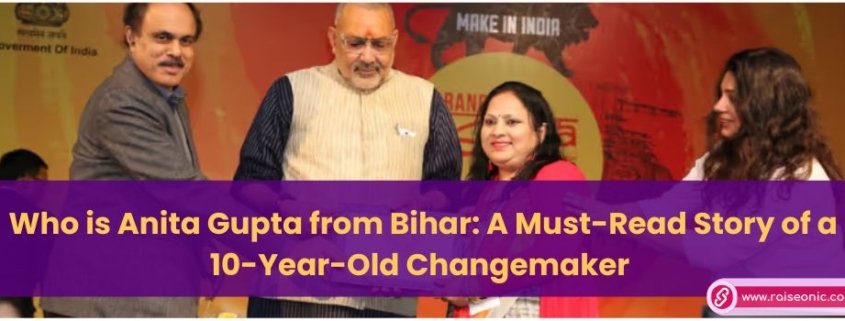
Not every changemaker waits for the “right time” to begin. Some are born with an extraordinary sense of purpose that refuses to be silenced. Anita Gupta from Bihar is one such remarkable woman — a visionary leader who began her journey at the tender age of 10 and went on to become the founder of Bhojpur Mahila Kala Kendra, a women-centric initiative that continues to uplift countless lives across rural India.

Her story is more than an inspiring tale — it’s a movement of hope, empowerment, and transformation. From teaching women traditional handicrafts to enabling financial independence, Anita’s journey redefines what leadership, compassion, and purpose truly mean.


1. The Beginning of a Dream: Leadership at 10

Growing up in Bhojpur, Bihar, Anita Gupta witnessed the struggles of women around her — mothers, daughters, and sisters confined by limited opportunities and social barriers. While others her age were busy with school lessons and play, Anita’s eyes saw a deeper reality.

She noticed that women in her community possessed incredible skills — weaving, stitching, and crafting — but lacked the means to turn these abilities into livelihoods. Determined to change that, she began gathering local women to teach and learn together.

At just 10 years old, Bhojpur Mahila Kala Kendra was born — an organization that would go on to redefine empowerment for generations.


2. Founding Bhojpur Mahila Kala Kendra: A Movement Begins

What started as a small gathering of village women soon turned into a structured initiative. With limited resources but infinite determination, Anita began conducting training sessions in handicrafts, crochet, and jewelry-making.

Her idea was simple yet powerful — “Empower women by enabling them to earn.”

By teaching skills that could generate income from home, she opened doors for women who had never before imagined financial independence. Over time, the Kendra became a center of hope — where creativity met confidence, and craftsmanship met courage.

The initiative also became a safe space for women to share their experiences, learn from one another, and reclaim their identities beyond household roles.


3. Overcoming Challenges: A Journey of Grit and Grace

Starting an empowerment initiative at such a young age was not easy. Anita faced skepticism from many — “How can a young girl lead?” they questioned. Resources were scarce, funding was minimal, and cultural barriers were deeply rooted.

But what Anita lacked in age and resources, she made up for in conviction.

She began with recycled materials, borrowed tools, and an unwavering belief that change begins with one person. Through persistence and community collaboration, she slowly built trust and visibility. Local families began noticing the positive changes — women who once stayed silent now spoke with confidence, earned their own income, and supported their households.


4. From Craft to Confidence: Redefining Empowerment

Anita Gupta’s philosophy goes far beyond teaching skills. For her, empowerment is not just about economic independence — it’s about emotional liberation.

At Bhojpur Mahila Kala Kendra, every training session became a classroom of transformation. Women not only learned to craft beautiful products but also developed soft skills such as communication, teamwork, and entrepreneurship.

They learned how to price their products, understand market trends, and even use digital tools to reach a broader audience. Anita helped them realize that they weren’t just artisans — they were businesswomen, creators, and changemakers.


5. Building a Sustainable Model

Over the years, Anita expanded her initiative into a self-sustaining ecosystem.

The Kendra began partnering with local self-help groups, NGOs, and government schemes that supported women entrepreneurs. It started participating in handicraft exhibitions, local fairs, and digital marketplaces to help artisans sell their products directly to customers.

Each product sold wasn’t just an item — it represented the story of a woman reclaiming her future. The brand soon gained recognition for its quality and authenticity, becoming a symbol of “Handmade with Heart.”


6. Training and Employment: Uplifting Hundreds of Women

Anita Gupta’s work has directly impacted hundreds of women across Bihar and nearby regions.

Through structured training programs in crochet, embroidery, handloom, jewelry-making, and eco-friendly products, she has enabled women to build independent livelihoods.

The initiative emphasizes sustainable practices, ensuring that traditional Indian crafts are preserved while promoting environmental consciousness.

Many women who started as trainees have now become trainers and leaders themselves — passing on the knowledge and creating a ripple effect of empowerment.


7. The Vision: Empowerment Beyond Borders

Anita’s vision extends far beyond her village or state. She envisions a nationwide network of skilled women entrepreneurs, rooted in local craftsmanship but connected globally through e-commerce and digital storytelling.

Her model aligns with India’s Startup India and Skill India missions — fostering innovation, inclusion, and entrepreneurship at the grassroots level.

She believes that when women are financially independent, entire communities thrive. “Empower a woman, and you empower a generation,” she often says.


8. Recognitions and Impact

Anita Gupta’s remarkable journey has not gone unnoticed. Her initiative, Bhojpur Mahila Kala Kendra, has been recognized by local authorities, women’s organizations, and entrepreneurship networks for its role in advancing rural women’s empowerment.

Her story has inspired young changemakers across India — especially girls from small towns who dream big despite challenges.

Her work also aligns with the UN Sustainable Development Goals (SDGs) — promoting gender equality, decent work, and economic growth.


9. Lessons from Anita’s Journey

Anita Gupta’s life offers profound lessons for all aspiring social entrepreneurs and leaders:

  • Start early, start small: You don’t need a perfect plan; you just need passion.

  • Empowerment is contagious: When you lift others, you rise too.

  • Sustainability is key: True change lasts when it’s community-driven.

  • Believe in your vision: Even one person can ignite a revolution.

Her story reminds us that leadership is not about power or privilege — it’s about responsibility and empathy.


10. Inspiring the Next Generation

Today, Anita continues to inspire through her training programs and workshops. She mentors young girls, encouraging them to pursue entrepreneurship and social work.

Her dream is to establish training hubs across India where women can learn, create, and sell their products with dignity.

Through social media, she also spreads awareness about handmade crafts, rural artistry, and women-led enterprises, building a digital bridge between tradition and innovation.


Conclusion

Anita Gupta’s journey from a 10-year-old changemaker to a symbol of empowerment is nothing short of extraordinary. She didn’t just teach women how to craft — she taught them how to believe in themselves.

Her work continues to ripple through villages and cities, reminding us that every small act of courage can lead to monumental change.

As India’s entrepreneurship landscape evolves, stories like Anita’s serve as powerful reminders that innovation isn’t always technological — sometimes, it’s human.

In a world driven by speed and scale, Anita Gupta’s story stands as a testament to purpose, patience, and perseverance.

Anmol Chouhan

Introduction

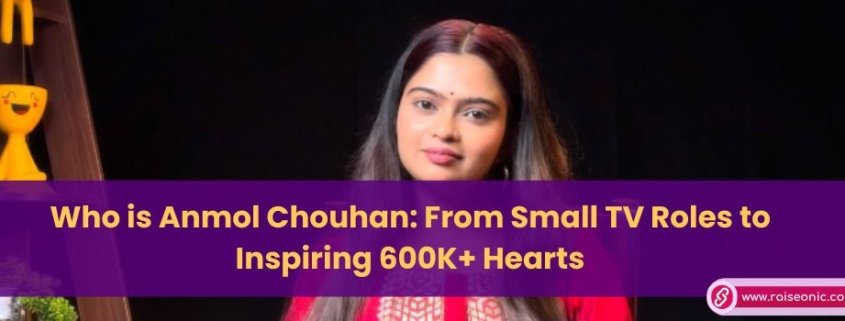
In the world of entertainment, where thousands chase fame, some individuals create their own spotlight instead of waiting for it. Anmol Chouhan, popularly known as Choti Si Ekladki, is one such inspirational figure. From modest beginnings with small television roles to becoming a digital creator inspiring over 600K followers, Anmol’s story is about courage, creativity, and consistency.

She has proved that passion, combined with perseverance, can transform even small beginnings into impactful journeys. Her journey reminds aspiring creators that your story matters — and it can touch countless lives.


1. Early Life and Beginnings

Anmol Chouhan was born and raised in India, where she nurtured a passion for performing arts from a young age. Her interest in acting, dance, and storytelling laid the foundation for what would become an inspiring career.

Her initial foray into the entertainment industry involved small roles on television. One notable highlight was working alongside the legendary comedian and actress Bharti Singh, which provided her early exposure to professional acting and the discipline required to thrive in the industry.

Despite starting with minor roles, Anmol never let the lack of a prominent platform deter her. Instead, she focused on honing her craft, learning from each experience, and identifying opportunities to connect with audiences in meaningful ways.


2. Breaking Through: Silsila Badalte Rishton Ka

Anmol’s career began gaining attention with her involvement in the television show Silsila Badalte Rishton Ka. While not the lead, her performances were noted for their authenticity and charm.

This period was crucial in shaping her understanding of storytelling, audience engagement, and the importance of consistency. Working on television taught her the intricacies of timing, emotion, and character development, all of which she would later apply to her personal content creation platforms.


3. The Birth of Choti Si Ekladki

Instead of waiting for bigger roles on TV or films, Anmol created her own platform — Choti Si Ekladki. This digital space allowed her to connect directly with her audience through dance videos, storytelling, comedy sketches, and glimpses into her real life.

The name Choti Si Ekladki reflects both humility and relatability — it portrays the idea of being small but impactful. Her digital persona emphasizes authenticity over perfection, resonating strongly with viewers seeking relatable content.

Through this platform, Anmol cultivated a community built on trust, laughter, and inspiration. Followers didn’t just consume content; they engaged, shared, and celebrated their own journeys alongside hers.


4. Creating a Community

One of Anmol Chouhan’s greatest achievements is her ability to create a community rather than merely an audience.

By consistently sharing content that combines dance, storytelling, and humor, she built a space where followers feel seen and connected. Her engagement strategy is simple yet effective:

  • Authenticity: Sharing real stories, struggles, and successes makes her relatable.

  • Consistency: Regular posting ensures continuous connection with her followers.

  • Creativity: Each video or post is thoughtfully crafted, often with innovative formats and expressions.

  • Empowerment: Through her content, she inspires women and young creators to pursue their passions confidently.

Today, her following exceeds 600K, a testament to her ability to inspire, entertain, and uplift her audience.


5. Lessons from Her Journey

Anmol Chouhan’s story carries valuable lessons for aspiring creators, actors, and entrepreneurs:

  1. Start Small, Dream Big: Small roles on TV became stepping stones for her larger vision.

  2. Create Your Own Opportunities: Waiting for the perfect role is not necessary; building your platform works equally well.

  3. Consistency is Key: Regular engagement and authentic content strengthen your connection with your audience.

  4. Learn from Mentors and Peers: Early experiences with industry veterans like Bharti Singh provided practical insights and professional growth.

  5. Empower Others Through Your Story: Sharing your journey can inspire countless others to pursue their dreams.


6. Overcoming Challenges

Like all creators, Anmol faced hurdles:

  • Limited Visibility: Early roles on TV were minor, and she had to work hard to be noticed.

  • Balancing Content Creation and Personal Life: Managing schedules, shoots, and digital content demands discipline.

  • Criticism: Public scrutiny is inevitable, and Anmol navigated it by staying focused on her goals.

Her ability to transform these challenges into lessons demonstrates resilience, patience, and adaptability — traits essential for any successful creator.


7. Impact and Influence

Beyond entertainment, Anmol’s journey has made a tangible impact:

  • Inspiration for Women: Young women see her as a role model who pursued her passion despite societal pressures.

  • Motivating Creators: Aspiring digital creators look to her journey as proof that originality and persistence matter more than fame.

  • Community Engagement: Her content encourages interaction, dialogue, and mutual support among followers.

Through dance, humor, and personal storytelling, Anmol has proven that digital platforms can be leveraged not just for entertainment but for meaningful social impact.


8. Creativity Meets Courage

Anmol’s success is rooted in a balance of creativity and courage.

  • Creativity: Each post, dance video, or story is carefully designed to engage, entertain, and inspire.

  • Courage: She embraced her unique identity and shared her life openly, taking risks that others might shy away from.

This combination has allowed her to stand out in a crowded digital space, carving a niche that is both entertaining and motivational.


9. Future Plans and Aspirations

Anmol Chouhan continues to grow her brand and influence. Some potential paths include:

  • Collaborating with other creators and influencers for joint content.

  • Expanding into acting roles in web series and digital films.

  • Using her platform to promote social causes and women empowerment campaigns.

  • Creating workshops or mentoring programs for upcoming creators.

Her trajectory suggests that she will continue inspiring and entertaining, with increasing focus on social impact alongside personal growth.


10. Conclusion

Anmol Chouhan’s journey from small television roles to inspiring over 600K followers exemplifies the power of consistency, courage, and creativity. She demonstrates that waiting for the spotlight is optional — one can build their own stage and shine brilliantly.

Her story is a reminder for creators everywhere: every small beginning carries the potential for a significant impact. By embracing authenticity, nurturing creativity, and connecting with your audience, you can transform your journey into an inspiration for thousands.

Anmol Chouhan embodies the modern digital creator — passionate, resilient, and committed to making a difference while entertaining the world.

Seed Fund Incubator Maker Village

Introduction

Launching a startup in the electronic hardware and IoT space can be both exciting and challenging. While innovative ideas are essential, access to resources, mentorship, funding, and specialized infrastructure is critical to transform these ideas into market-ready products.

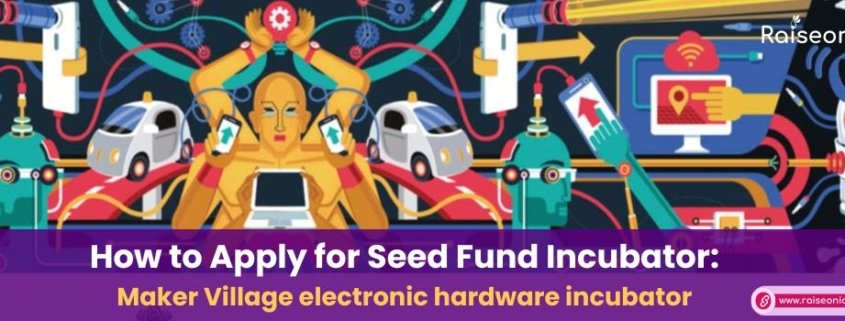
Maker Village, a premier electronic hardware incubator, addresses this challenge by providing early-stage startups with seed funding, prototyping facilities, mentorship, and a collaborative ecosystem. Supported by government initiatives and industry partners, Maker Village has become a launchpad for hardware startups in India, particularly those working in electronics, IoT, robotics, and deep-tech sectors.

This article provides a detailed guide on how to apply for seed funding at Maker Village, including eligibility criteria, application steps, funding details, tips for a successful application, and real-world success stories.

What is Maker Village?

Maker Village is a specialized hardware-focused incubator designed to nurture innovation in electronics, embedded systems, IoT, and hardware-based startups. Located in Kochi, Kerala, Maker Village provides a structured ecosystem that supports startups from prototype development to market launch.

The incubator is backed by government programs, industry partnerships, and technology experts, offering startups mentorship, funding, co-working spaces, prototyping labs, and access to investors. Maker Village is ideal for entrepreneurs who want to build electronic hardware products with scalability and commercial potential.

Key Features of Maker Village:

  • Mentorship: Access to domain experts in hardware, IoT, and electronics.

  • Infrastructure Support: State-of-the-art prototyping labs, testing equipment, and co-working spaces.

  • Funding Support: Equity-free seed funding for early-stage hardware startups.

  • Networking & Exposure: Connect with investors, corporates, and ecosystem partners.

  • Workshops & Bootcamps: Training programs focused on hardware design, manufacturing, and commercialization.

  • Sectoral Focus: Electronic hardware, embedded systems, IoT, robotics, wearables, and deep-tech solutions.

Maker Village’s mission is to empower hardware entrepreneurs with resources, knowledge, and networks to transform innovative ideas into commercially viable products.

Key Offerings of Maker Village

Maker Village provides startups with comprehensive support to accelerate growth and innovation:

1. Zero-Cost Incubation

Startups accepted into Maker Village receive access to workspace, prototyping labs, and mentorship at no upfront cost, enabling founders to focus on product development and testing.

2. Equity-Free Seed Funding

Maker Village offers seed funding without requiring equity, allowing entrepreneurs to access financial resources while retaining full ownership of their venture.

3. Mentorship & Advisory

Startups gain guidance from industry veterans, electronics and IoT experts, academicians, and successful entrepreneurs, helping them navigate challenges in hardware design, supply chain management, and commercialization.

4. Infrastructure & Prototyping Support

Maker Village provides state-of-the-art prototyping labs, electronics testing equipment, 3D printers, and embedded system tools, enabling startups to quickly build, test, and iterate their products.

5. Networking & Industry Exposure

The incubator connects startups with investors, corporates, and potential clients, facilitating collaborations, partnerships, and growth opportunities.

6. Sectoral Focus

Maker Village specializes in supporting hardware startups, particularly those in:

  • IoT & Smart Devices

  • Electronic Components & Embedded Systems

  • Robotics & Automation

  • Wearables & Medical Devices

  • Deep-Tech Hardware Solutions

This sectoral focus ensures startups receive targeted mentorship, infrastructure, and funding relevant to hardware development.

Eligibility Criteria

To apply for seed funding and incubation at Maker Village, startups should meet the following criteria:

  • Incorporation: Registered as a Private Limited Company or LLP in India.

  • Promoter Ownership: At least 51% shareholding by Indian promoters.

  • Stage of Development: Early-stage startups with a prototype, MVP, or functional hardware.

  • Sector Preference: Focus on electronic hardware, IoT, robotics, embedded systems, and deep-tech solutions.

  • Government Recognition: Preferably recognized by the Department for Promotion of Industry and Internal Trade (DPIIT).

Application Process

Maker Village follows a structured process to identify and select high-potential hardware startups:

Step 1: Visit the Official Website

Go to the Maker Village official portal to explore incubation programs and funding opportunities.

Step 2: Register Your Startup

Create an account by submitting basic information about your startup and founders. Registration grants access to the detailed application form.

Step 3: Complete the Application Form

Provide comprehensive details, including:

  • Startup Overview: Company mission, vision, and product summary

  • Problem Statement & Solution: Clearly define the problem your hardware product solves

  • Market Analysis: Target customers, competitors, and market size

  • Business Model: Revenue streams, pricing strategy, and scalability

  • Financial Projections: Revenue forecast, costs, and funding requirements

  • Team Composition: Founders’ experience, expertise, and roles

Step 4: Submit Required Documents

Attach relevant supporting documents:

  • Certificate of Incorporation

  • DPIIT Recognition Certificate (if available)

  • Pitch Deck

  • Prototype Images or Videos

  • Financial Statements (if any)

  • Founders’ CVs

Step 5: Selection Process

Applications are evaluated through multiple stages:

  1. Screening: Initial assessment based on product innovation, feasibility, and scalability

  2. Pitch Presentation: Shortlisted startups present their hardware solution to the selection committee

  3. Due Diligence: Evaluation of startup feasibility, financials, and operational plan

  4. Onboarding: Selected startups are inducted into the incubation program, gaining mentorship, funding, and infrastructure access

Funding Details

Maker Village provides seed funding to early-stage hardware startups:

1. Startup India Seed Fund Scheme (SISFS)

  • Funding Amount: Up to ₹50 lakh

  • Purpose: Product development, prototyping, testing, and operational costs

  • Disbursement: Milestone-based

  • Eligibility: Early-stage startups developing electronic hardware products or innovative IoT solutions

2. Maker Village Seed Fund

  • Funding Amount: Up to ₹50 lakh

  • Instrument: Equity-free funding or convertible instruments

  • Eligibility: Startups incubated at Maker Village for a minimum period

  • Reporting: Quarterly financial and progress updates

Both funding streams are designed to provide financial support without forcing founders to give up equity, enabling them to focus on growth, prototyping, and commercialization.

Tips for a Successful Application

  • Highlight Problem-Solution Fit: Clearly articulate how your hardware product solves a real-world problem.

  • Show Technical Innovation: Demonstrate uniqueness and technological differentiation.

  • Understand Your Market: Include detailed insights about target customers, competitors, and market size.

  • Emphasize Scalability: Show potential for scaling the hardware solution nationally or globally.

  • Showcase a Strong Team: Investors look for technical expertise and complementary skills.

  • Financial Prudence: Provide realistic projections and a clear plan for seed fund utilization.

  • Prepare a Compelling Pitch Deck: Use visuals, prototypes, and demo videos to make a strong impression.

Success Stories

Several hardware startups have successfully leveraged Maker Village’s seed fund and incubation program:

  • IoT Smart Devices: Developed smart home IoT products and scaled operations nationwide.

  • RoboTech Solutions: Built industrial robotics prototypes and attracted investment for commercialization.

  • Wearable HealthTech Devices: Developed wearable medical devices that reached hospitals and clinics.

These success stories highlight the power of mentorship, funding, and specialized infrastructure in turning hardware ideas into market-ready products.

Benefits Beyond Funding

In addition to seed funding, Maker Village provides startups with:

  • Mentorship from hardware and IoT experts

  • Access to prototyping labs, testing equipment, and 3D printing facilities

  • Networking opportunities with investors, corporates, and ecosystem partners

  • Support in product validation, testing, and commercialization

This comprehensive support ensures startups are not only funded but also equipped to scale successfully.

Conclusion

For hardware-focused entrepreneurs, applying for seed funding at Maker Village is a significant opportunity. By providing funding, mentorship, infrastructure, and industry exposure, Maker Village enables early-stage startups to overcome challenges and scale innovations into commercially viable products.

Following the application steps, meeting eligibility criteria, and preparing a strong proposal can significantly increase the chances of selection. Maker Village is the ideal launchpad for electronic hardware, IoT, and deep-tech startups seeking mentorship and funding.

In a world constantly shifting toward digital, very few women have not only kept pace but redefined the game. Roli Gaur Vashisht is one of those rare leaders. A woman of many roles—visionary entrepreneur, pioneering content creator, social media strategist, mother—Roli’s journey is not just a tale of career growth, but of impact, influence, and intention.

Today, as the Founder and CEO of Social Maata, Roli is shaping how women-led brands scale online. But the seeds of her digital empire were planted years ago—rooted in passion, creativity, and the courage to try something before it became a trend.

A Creative Spark with a Purposeful Start

Roli’s professional path began at the prestigious National Institute of Fashion Technology (NIFT), Mumbai, where she graduated in 2010. With a background in fashion design, she entered the world of merchandising and styling—roles that refined her eye for detail, aesthetics, and storytelling. But it wasn’t long before she discovered a deeper calling: connecting with people, especially women, through digital platforms.

Her first foray into content creation was in 2012 with Crazy Indian Wedding, one of India’s earliest and most-loved wedding blogs. What began as a personal outlet evolved into a go-to platform for brides-to-be. Her relatable voice and helpful insights caught the eye of mainstream media, with features in Femina Brides, Cosmopolitan, and Hindustan Times.

She wasn’t just writing about weddings. She was creating a space where women could find clarity, support, and inspiration at one of the most transformational stages of life.

From Sarees to Screens: A Digital Evolution

In 2013, she launched her own fashion label, introducing quirky sarees that resonated with young, modern women. With no big marketing budget, she turned to the most powerful (and underused at the time) tool—social media.

Roli leveraged Instagram and Facebook to showcase her brand story, reaching audiences in India and beyond. This wasn’t just a success in sales—it was a masterclass in digital visibility, brand building, and authentic community engagement.

The Mommy Vlogger in India

Roli’s digital journey took an exciting turn in 2014 when she launched her YouTube channel as a comedy creator, experimenting with sketches and relatable content. But everything changed in 2015, when she stepped into motherhood—a chapter that deeply transformed her purpose and platform.

She pivoted her channel to focus on mommy vlogging, becoming one of India’s first mom and baby content creators. Through her channel RGV Love, Roli began sharing real stories of pregnancy, parenting, and everyday life as a new mom.

Her honest voice, heartfelt experiences, and ability to connect emotionally with her audience turned the channel into more than just content—it became a virtual village of support for young Indian mothers. Today, the channel has crossed 21 million views, inspiring thousands of women who see their own journey reflected in hers.

The Birth of Social Maata

With a decade of experience as a content creator and strategist, Roli saw a gap: countless women-led businesses were building powerful products but struggling to communicate their value online.

In 2023, she founded Social Maata, a digital marketing agency with a mission to empower women entrepreneurs through personalized social media strategy, content creation, influencer collaborations, and performance-focused campaigns.

Under her leadership, Social Maata drove 14 million+ views for its clients within a year and was honored with the MSME Best Startup of the Year 2024 (Marketing). Roli herself received the Most Influential Mom Blogger award, affirming her role as both innovator and mentor.

A Champion for Women Entrepreneurs

Roli isn’t just a businesswoman; she’s a changemaker. Through Social Maata and her personal brand, she uplifts women-led ventures and helps them navigate the fast-evolving digital space with confidence.

She is an active part of NewAgeMompreneurs, a core team member driving initiatives for moms in business, and she actively advocates for child mental health, well-being, and authentic parenting.

Roli believes:

“You don’t have to choose between being a mom and building a business. You can lead both with power, love, and strategy.”

A Human Friend in the World of AI

Despite her success in technology-driven marketing, Roli remains deeply human in her approach. She often describes herself as “a human friend in the world of AI”—someone who balances algorithms with empathy, metrics with meaning.

Her secret? A combination of intuition, creativity, data, and soul. She believes that your story is your strategy, and that women can thrive in business without losing their authenticity.

Roli’s vision for the future is as bold as her journey so far. She wants to revolutionize how women do business online—not by copying trends, but by telling stories that resonate, building brands with meaning, and scaling with confidence.

From blog to brand, sarees to strategy, motherhood to marketing—Roli Gaur Vashisht’s journey is a masterclass in resilience, reinvention, and radiant leadership.

She’s not just leading a company.
She’s leading a movement—where women don’t just find a seat at the table…they build their own.

In a world that often demands women to compromise—to choose between dreams and duties, career and care, ambition and affection—Lipika Bahl chose a different canvas altogether. One where motherhood and creativity are not at odds but woven together in beautiful harmony. At just 36, Lipika is not only an accomplished artist and educator but also a beacon of hope for mothers with unfulfilled dreams and hidden talents.

Her story didn’t begin with grand galleries or viral artwork. It started quietly—like many real stories do—in a small room filled with paint, little hands, and boundless imagination. Over 13 years ago, Lipika began her journey as a home-based art teacher, guiding children through the world of colors and creativity. It was more than just a job; it was her way of shaping minds, building confidence, and spreading joy. With each stroke she taught, she was unknowingly painting the early outlines of her own masterpiece.

But life had more in store.

When motherhood came knocking, it brought the whirlwind of emotions every new mom knows too well—joy, exhaustion, uncertainty, and overwhelming love. For many, this phase signals a pause, a retreat from personal ambitions. But Lipika knew in her heart that she didn’t have to choose between her child and her canvas.

“There were nights I’d be nursing my baby and planning my next workshop,” she recalls. “I didn’t want to lose the part of me that still needed to create.”

And so, amidst lullabies and late-night feedings, Lipika planted the seeds of what would soon become LipikaBahlArtworks—a creative initiative that would transform not only her life, but the lives of hundreds around her.

What started as a few art sessions soon bloomed into a movement of healing and happiness. Lipika began curating and hosting Sip and Paint workshops—a concept that beautifully blends artistic expression with soulful connection. Her events welcome all age groups—children discovering colors, teenagers experimenting with expression, moms finding a break from routine, professionals seeking mental peace, and even seniors reconnecting with a forgotten hobby.

But make no mistake—these aren’t just art classes.

They are safe havens. Spaces where you leave behind the chaos of the world and pick up a brush to reconnect with yourself. Whether it’s a cozy weekend session, a lively birthday party, a women’s circle, a mindful retreat, or a corporate team-building workshop—Lipika brings art to life with her gentle guidance and magnetic energy.

“You don’t have to choose between being a loving mother and being a passionate creator. You can be both,” she often says—and lives by.

Through her unwavering belief, Lipika has redefined what it means to be a modern Indian woman balancing tradition, creativity, and entrepreneurship. She isn’t just raising a child. She’s raising a generation of creators, dreamers, and doers—one brushstroke at a time.

In every workshop she hosts, every artwork she helps bring to life, and every message she shares online, Lipika inspires women to embrace their whole selves—not just the roles society assigns, but the dreams they secretly nurture.

Today, Lipika Bahl is more than an artist.

She’s a mentor.
She’s a mother.
She’s a movement.

Her story is a powerful reminder that you don’t need perfect conditions to start—you just need courage and color. And that even in the most chaotic seasons of life, when your hands are full and your time is scarce, your dreams are still valid.