
Tag Archive for: Women entrepreneur

AIC-Sangam Innovation Foundation

Introduction

Climate change, resource scarcity, and energy access challenges are increasing across India. Clean-tech startups that tackle these issues face hurdles such as early-stage funding, lab infrastructure, prototyping, and mentorship tailored to climate impact.

The Atal Incubation Centre Sangam (AIC-Sangam Innovation Foundation), based in Gurugram, is India’s first fully dedicated clean-tech incubator. It supports startups improving energy access, resource productivity, and sustainability, especially for underserved communities. Whether your idea is at the ideation stage or you have a bench-top prototype, AIC-Sangam offers seed funding under the Startup India Seed Fund Scheme (SISFS), incubation infrastructure, mentorship, and network support.

This guide explains how to apply for seed fund incubation at AIC-Sangam, including eligibility, application process, funding details, and tips to strengthen your chances.


What is AIC-Sangam Innovation Foundation?

Clean-Tech Focus

AIC-Sangam specializes in clean technology, sustainability, and climate innovation, supporting startups that create measurable environmental impact.

Mission & Scope

Their mission is to support STEM solutions that improve energy access and resource efficiency for underserved populations, helping communities adapt to climate challenges.

Facilities & Infrastructure

  • Co-working spaces

  • Prototyping lab

  • Physical incubation zones

  • Event & networking infrastructure

Programs & Support

  • Incubation for clean-tech startups

  • Seed funding under SISFS

  • Innovation challenges, e.g., decarbonization

  • Mentorship from clean-tech experts, policy guidance, and investor connections


Key Offerings & Support

Startup India Seed Fund Scheme (SISFS)

AIC-Sangam, as a partner incubator under SISFS, provides financial assistance for proof-of-concept, prototype development, market entry, and commercialization.

Physical Incubation & Infrastructure

  • Lab and prototyping facilities

  • Bench-top prototyping access

  • Workspace and meeting rooms

  • Event and networking spaces

Mentorship & Community Support

  • Clean-tech experts, engineers, and mentors

  • Guidance on policy, regulatory compliance, and investor connections

  • Innovation challenges to identify high-potential solutions

Clean-Tech / Climate Focus

Startups aligned with decarbonization, energy access, sustainable resource use, and efficiency improvements are prioritized.


Eligibility Criteria

  • Startup working in clean-tech, sustainability, or climate innovation

  • Age: less than 5 years from incorporation or at ideation stage

  • Stage: ideation to prototype, preferably bench-top prototype or proof-of-concept

  • Team size: preferably under 10 members

  • Commitment to physical incubation at Sangam if required

  • Legal status: registered or pre-registered entity (Private Limited, LLP, etc.)


Application Process

Step 1: Visit AIC-Sangam Website

  • Go to “Incubation Program” or “Apply Now / SISFS” pages

Step 2: Create Startup Identity & Prepare Documents

  • Obtain legal status: Private Limited / LLP

  • Register with Startup India / DPIIT if needed

  • Prepare team profiles, prototype or POC, pitch deck, business model, and market analysis

Step 3: Fill Application Form

Include: startup overview, problem & solution, impact potential, development stage, funding requirement, and usage plan

Step 4: Submit Supporting Documents

  • Certificate of Incorporation

  • DPIIT / Startup India recognition

  • Pitch deck or prototype demo

  • Founders’ CVs / team profiles

Step 5: Screening & Pitch / Evaluation

  • Applications are screened for eligibility

  • Shortlisted startups invited for a pitch to mentors / selection committee

Step 6: Approval & Onboarding

  • Successful companies are onboarded

  • Sign MoU / agreements covering funding, incubation support, mentorship, and infrastructure

Step 7: Fund Disbursement

  • Funding under SISFS is tranche-based, tied to milestones such as prototype completion, pilot, or early commercialization

Step 8: Ongoing Support

  • Mentorship, lab/prototyping support, network connections, regulatory/compliance assistance


Funding Details

  • Funding depends on the scheme and evaluation

  • Typically grant or mixed (grant + convertible instrument)

  • Disbursed in phases based on milestones


Tips to Strengthen Your Application

  • Emphasize climate & sustainability impact

  • Showcase prototype or POC

  • Highlight a strong, experienced team

  • Define use of funds and milestones clearly

  • Demonstrate regulatory & technical feasibility

  • Articulate scalability and underserved impact


Conclusion

AIC-Sangam Innovation Foundation is a compelling platform for clean-tech and sustainability startups to access seed funding, incubation, and specialized support. By aligning your idea with Sangam’s clean-tech focus, preparing a prototype, assembling documentation, and presenting a compelling pitch, you can maximize your chances of selection, secure funding, and transform your innovation into impact.

CGLS Foundation STEP Seed Fund

Introduction

Launching a startup is exhilarating but comes with challenges such as limited funding, mentorship, and operational resources. The CGLS Foundation (STEP) incubator, supported by the Atal Innovation Mission (AIM), NITI Aayog, provides early-stage startups with seed funding, mentorship, and infrastructure, enabling innovators to scale their ideas efficiently.

If you are asking “how to apply for seed fund incubator CGLS Foundation STEP?”, this guide covers eligibility, funding opportunities, step-by-step application, and expert tips to strengthen your application.


About CGLS Foundation (STEP)

STEP stands for Science, Technology, and Entrepreneurship Platform, a not-for-profit initiative under the CGLS Foundation, focused on fostering innovation-driven startups.

The incubator primarily supports:

  • Technology startups solving real-world problems

  • Social impact ventures creating measurable positive change

  • Early-stage entrepreneurs seeking seed capital, mentorship, and networking

Key Offerings of CGLS Foundation STEP:

  • Zero-Cost Incubation: Access to infrastructure, workspace, and labs without upfront charges

  • Mentorship & Guidance: Connect with industry experts, investors, and successful entrepreneurs

  • Networking Opportunities: Pitch events, workshops, accelerator programs, and investor meets

  • Seed Funding: Equity-free, milestone-based financial support to kickstart operations


Eligibility Criteria

Before applying, ensure your startup meets the following requirements:

  • Company Registration: Registered Private Limited Company, LLP, or OPC in India

  • Promoter Ownership: Minimum 51% shareholding by Indian promoters

  • Stage of Development: Early-stage startup with a prototype, MVP, or validated concept

  • Sector Focus: Preference for technology-driven or innovation-led startups

  • Compliance: Recognized by DPIIT

Meeting these criteria increases your chances of being selected for incubation and funding.


Seed Fund Programs at CGLS Foundation (STEP)

1. STEP Seed Fund

  • Funding Amount: Up to ₹50 lakh

  • Purpose: Product development, proof of concept, pilot testing, and market entry

  • Eligibility: Startups incubated at CGLS Foundation for a minimum of 3 months with validated technology or service

  • Disbursement: Milestone-based, with progress monitoring

2. Startup India Seed Fund Scheme (SISFS)

  • Funding Amount: Up to ₹50 lakh

  • Purpose: Operational costs, market testing, product development, and scaling

  • Eligibility: Early-stage startups incorporated within 2 years and incubated at recognized centers like STEP

  • Disbursement: Tranche-wise based on milestone achievement


Step-by-Step Guide to Apply

Step 1: Visit the Official Website

Go to the CGLS Foundation STEP portal to understand the program details, eligibility, and benefits.

Step 2: Registration

Create an account by providing your startup and founder information.

Step 3: Submit Expression of Interest (EOI)

Include:

  • Startup overview

  • Problem statement and innovative solution

  • Market research and competitive analysis

  • Business model and revenue projections

  • Founding team profiles

Step 4: Upload Required Documents

  • Certificate of Incorporation

  • DPIIT recognition certificate

  • Pitch deck or prototype demonstration

  • Financial statements (if available)

Step 5: Screening and Shortlisting

The incubator reviews applications. Shortlisted startups are invited for:

  • Pitch presentation

  • Due diligence assessment

  • Interaction with mentors and investors

Step 6: Onboarding

Selected startups sign an incubation agreement detailing:

  • Fund disbursement schedule

  • Milestones and reporting obligations

  • Access to mentorship and infrastructure

Step 7: Fund Disbursement

Funds are released in milestone-based tranches, ensuring accountability and progress tracking.


Tips for a Successful Application

  • Problem-Solution Fit: Clearly define the problem and how your solution is unique

  • Scalability: Show potential for regional or national growth

  • Strong Team: Highlight skills, experience, and complementary expertise

  • Market Understanding: Demonstrate knowledge of target market, competitors, and opportunities

  • Financial Planning: Provide realistic projections and a clear fund utilization plan


Success Stories

  • GreenAgriTech: Launched sustainable farming solutions and scaled across Gujarat using STEP support

  • SmartMedTech: Secured ₹40 lakh seed funding to develop health-tech solutions and expand operations

These success stories demonstrate how CGLS Foundation STEP Seed Fund can transform early-stage ventures into nationally recognized startups.


Conclusion

For innovators seeking mentorship, guidance, and seed funding, CGLS Foundation STEP is a strategic platform to accelerate growth. By preparing a strong application, demonstrating innovation and scalability, and aligning with STEP’s objectives, early-stage entrepreneurs can maximize their chances of selection.

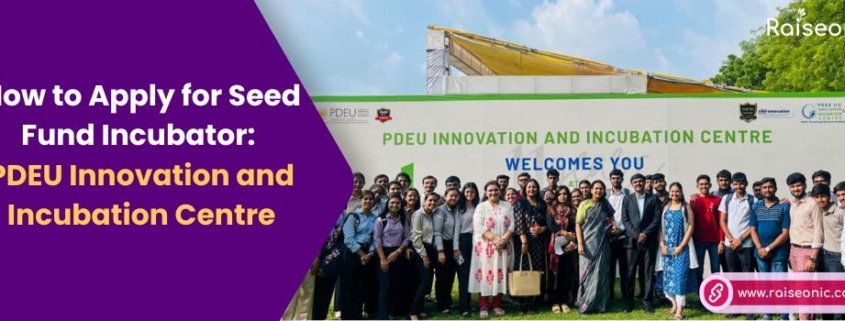
PDEU IIC Seed Fund

Introduction

Starting a startup is exciting, but limited resources can slow down even the most innovative ideas. PDEU Innovation and Incubation Centre (PDEU IIC), located at Pandit Deendayal Energy University (PDEU), Gandhinagar, is a recognized technology business incubator supporting early-stage startups with seed funding, mentorship, and infrastructure.

For entrepreneurs asking “how to apply for seed fund incubator PDEU IIC?”, this guide covers eligibility, application steps, funding details, and success tips to help your startup scale effectively.

About PDEU Innovation and Incubation Centre

Established in 2014 and formalized as a not-for-profit company in 2017, PDEU IIC is recognized as a Technology Business Incubator (TBI) by the Department of Science and Technology (DST), Government of India.

Key Support Offered by PDEU IIC:

  • Seed Funding: Access to Startup India Seed Fund Scheme (SISFS) and DST’s NIDHI-SSS programs

  • Mentorship: Guidance from industry experts, investors, and experienced entrepreneurs

  • Infrastructure: Co-working spaces, lab facilities, and meeting rooms at zero cost for selected startups

  • Networking: Participation in pitch events, workshops, and startup competitions

Over the years, PDEU IIC has incubated over 200 startups and created more than 400 jobs, fostering entrepreneurship across Gujarat and India.

Seed Fund Programs at PDEU IIC

1. Startup India Seed Fund Scheme (SISFS)

Launched by DPIIT, SISFS provides seed capital to early-stage startups.

Eligibility Criteria:

  • Registered company in India (Private Limited, LLP, or OPC)

  • Early-stage startup with a prototype or proof-of-concept

  • Incubated at PDEU IIC or another recognized incubator

  • Innovative, technology-driven solution

  • Preferably less than 3 years old

  • Majority ownership by Indian promoters

Funding Details:

  • Amount: Up to ₹50 lakh

  • Disbursement: Milestone-based

  • Purpose: Product development, market entry, commercialization

2. NIDHI-Seed Support System (NIDHI-SSS)

Managed by DST, this program offers higher seed funding for startups with validated prototypes.

Eligibility Criteria:

  • Registered company in India

  • Early-stage startup with a working prototype

  • Incubated at a DST-supported TBI like PDEU IIC

  • Innovative, technology-focused solution

  • Preferably less than 3 years old

  • Majority Indian ownership

Funding Details:

  • Amount: Up to ₹1 crore

  • Disbursement: Milestone-based

  • Use of Funds: Product development, testing, market validation, scaling

How to Apply for Seed Fund Incubator PDEU IIC

Step 1: Register with PDEU IIC

Visit the PDEU IIC website and complete the registration process to become an incubated startup.

Step 2: Submit Expression of Interest (EOI)

Include:

  • Pitch Deck

  • Proof of Concept / Prototype

  • Detailed Business Plan

Step 3: Screening & Evaluation

Startups undergo an initial review. Shortlisted startups are invited to present to a panel of experts.

Step 4: Detailed Proposal Submission

Provide:

  • Comprehensive Business Plan

  • Financial Projections (3–5 years)

  • Fund Utilization Plan

  • Legal Documents (Certificate of Incorporation, PAN, GST, DPIIT recognition)

Step 5: Approval and Agreement

Upon review, PDEU IIC approves funding and signs an agreement outlining milestones and tranche-based fund disbursement.

Step 6: Fund Disbursement

Funds are released in phases based on milestone completion, with monitoring for progress and proper utilization.

Tips for a Successful Application

  • Define the Problem Clearly: Explain the real-world problem your startup addresses

  • Highlight Innovation: Demonstrate how your solution is unique and scalable

  • Showcase Team Expertise: Strong founding teams increase credibility

  • Demonstrate Market Understanding: Know your target audience, competitors, and growth potential

  • Provide Realistic Financials: Clear fund utilization plan and projections build trust

Success Stories

  • EcoEnergy Solutions: Developed sustainable energy solutions and secured ₹45 lakh in SISFS funding

  • SmartAgriTech: Technology-driven agricultural solutions incubated at PDEU IIC now scaling nationally

These examples demonstrate how PDEU IIC Seed Fund transforms early-stage startups into scalable ventures.

Conclusion

For early-stage startups, applying for seed fund incubator PDEU IIC is a golden opportunity. With mentorship, funding, infrastructure, and networking, PDEU IIC equips entrepreneurs to scale innovations into successful businesses.

By following the application steps and preparing a strong proposal, founders can maximize their chances of selection and turn ideas into impactful startups.

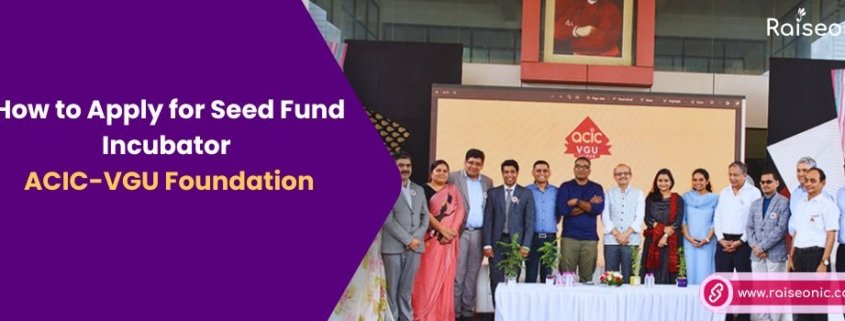
ACIC-VGU Seed Fund

Introduction

Early-stage startups often face the challenge of limited resources, mentorship, and access to funding. For aspiring entrepreneurs in India, the ACIC-VGU Seed Fund provides a comprehensive platform to nurture, scale, and transform innovative ideas into viable businesses.

Promoted by Vivekananda Global University (VGU) and supported by the Atal Innovation Mission (AIM), NITI Aayog, ACIC-VGU Foundation offers zero-cost incubation, equity-free grants, mentorship from industry experts, and networking opportunities with investors.

This article explains how to apply for ACIC-VGU Seed Fund, the eligibility criteria, funding options, the application process, tips for success, and inspiring startup success stories.


About ACIC-VGU Foundation

The Atal Community Innovation Center – Vivekananda Global University (ACIC-VGU Foundation) is a leading incubation hub in Jaipur, Rajasthan. Its mission is to empower early-stage startups, student innovators, and grassroots entrepreneurs by providing access to funding, mentorship, and infrastructure.

Key Features of ACIC-VGU Foundation:

  • Sector-agnostic but emphasizes deep-tech, social innovation, sustainability, agritech, healthtech, and fintech

  • Supported 140+ startups and reached 15,000+ entrepreneurs through workshops, bootcamps, and accelerators

  • Provides mentorship, lab facilities, networking, and government-backed funding schemes

ACIC-VGU Foundation aims to help founders transform ideas into scalable businesses with social and economic impact.


Key Offerings of ACIC-VGU Foundation

ACIC-VGU Foundation provides startups with a range of benefits:

1. Zero-Cost Incubation

Access office space, labs, and essential infrastructure without upfront costs.

2. Equity-Free Grants

Receive funding for early-stage operations without giving up ownership.

3. Mentorship & Guidance

Connect with industry mentors, successful entrepreneurs, and investors to refine business strategies.

4. Networking Opportunities

Engage with investors, corporates, and fellow founders through workshops, events, and pitch sessions.

5. Sectoral Focus & Special Programs

Emphasis on sustainability, agritech, fintech, healthtech, and deep-tech solutions.

6. Access to Government Schemes

Participate in programs like:

  • Startup India Seed Fund Scheme (SISFS)

  • DST NIDHI-SSP

  • MeitY GENESIS EiR 2.0

These programs accelerate early-stage ventures and provide access to additional funding.


Eligibility Criteria

Before applying for the ACIC-VGU Seed Fund, ensure your startup meets these requirements:

  • Incorporation: Registered company in India (Private Limited or LLP)

  • Promoter Ownership: At least 51% held by Indian promoters

  • Stage of Development: Early-stage startups with scalable business models

  • Sector Focus: Preference for technology-driven or innovation-led startups

  • Government Recognition: Ideally, DPIIT-recognized startups

Meeting these criteria increases the likelihood of selection for funding and mentorship.


Application Process for ACIC-VGU Foundation

Applying to the ACIC-VGU Seed Fund involves a structured six-step process:

Step 1: Visit the Official Portal

Go to the ACIC-VGU website to explore guidelines for incubation and funding programs.

Step 2: Register Your Startup

Create an account by submitting basic information: startup name, founders’ details, email, and contact info.

Step 3: Complete the Application Form

Provide detailed information about your startup:

  • Startup Overview: Company mission and vision

  • Problem & Solution: Describe the problem and your innovative solution

  • Market Analysis: Target audience, competitors, and market size

  • Business Model: Revenue model, pricing strategy, and sustainability plan

  • Financial Projections: Revenue, costs, and funding requirements

  • Team Composition: Founders’ skills and experience

Step 4: Submit Required Documents

Attach documents such as:

  • Certificate of Incorporation

  • DPIIT Recognition Certificate (if available)

  • Pitch Deck

  • Financial Statements (if any)

  • Founders’ CVs

Step 5: Selection Process

Applications are assessed through multiple stages:

  • Screening: Evaluate innovation, scalability, and alignment with ACIC-VGU objectives

  • Pitch Presentation: Shortlisted startups present to a selection committee

  • Due Diligence: Assess feasibility, financials, and operations

  • Onboarding: Selected startups gain access to mentorship, funding, and infrastructure

Step 6: Fund Disbursement

Seed funding is released in milestone-based tranches, ensuring accountability and proper utilization.


Funding Opportunities at ACIC-VGU Foundation

ACIC-VGU supports startups through multiple schemes:

1. Startup India Seed Fund Scheme (SISFS)

  • Funding: Up to ₹50 Lakhs

  • Purpose: Product development, market entry, and operational costs

  • Eligibility: Startups incorporated within the last 2 years

  • Disbursement: Phased release based on milestone achievement

2. DST NIDHI Seed Support Program (SSP)

  • Funding: Up to ₹1 Crore

  • Purpose: Prototype development, market validation, and scaling

  • Eligibility: Tech-focused or innovation-driven startups

  • Reporting: Periodic progress reports

3. MeitY GENESIS EiR 2.0

  • Funding: Up to ₹10 Lakhs

  • Purpose: Support deep-tech, ICT, and electronics innovators

  • Eligibility: Full-time students or founders of DPIIT-recognized startups (≤ 2 years old)

These funds, combined with mentorship and infrastructure, provide startups a strong foundation for growth and market entry.


Tips for a Successful Application

  • Problem-Solution Fit: Clearly demonstrate uniqueness and impact

  • Market Understanding: Show knowledge of customers, competitors, and trends

  • Highlight Scalability: Regional, national, or global growth potential

  • Showcase Team Strength: Capable, committed founders with complementary skills

  • Financial Planning: Realistic projections and clear fund utilization

  • Compelling Pitch Deck: Use visuals and storytelling to impress reviewers


Success Stories

ACIC-VGU Foundation has supported several startups that have achieved recognition:

  • BabyOrgano: Raised $150K in pre-seed funding and scaled operations across multiple cities

  • Malhari Projects: Leveraged mentorship and networking to refine product-market fit and attract investors

These success stories demonstrate how ACIC-VGU combines funding, mentorship, and incubation to accelerate early-stage startups.


Conclusion

The ACIC-VGU Seed Fund is a launchpad for visionary entrepreneurs in India. By providing mentorship, equity-free funding, access to government schemes, and networking opportunities, ACIC-VGU Foundation helps startups overcome early-stage challenges and scale successfully.

Early-stage founders seeking seed fund incubation can leverage ACIC-VGU’s programs to transform innovative ideas into sustainable, scalable businesses. Visit the ACIC-VGU official portal today and begin your startup journey. 🚀

Free online courses for entrepreneurs

Entrepreneurship is a journey filled with excitement, challenges, and endless learning. Whether you’re starting your first business, managing a growing startup, or exploring a new venture idea, knowledge is your superpower.

The good news? In 2025, there are numerous high-quality, free online courses that equip entrepreneurs with the skills needed to build, grow, and scale a business — without spending a fortune. From business strategy and marketing to leadership and innovation, these courses are designed to help founders learn at their own pace, from anywhere in the world.

Here’s a comprehensive guide to the best free online courses for entrepreneurs that every founder should explore.

Why Free Online Courses Are Valuable for Entrepreneurs

Starting and running a business is a continuous learning process. Traditional degrees and expensive programs can be valuable, but not every founder has the time or budget for them. Free online courses offer several advantages:

  1. Flexibility: Learn anytime, anywhere, at your own pace.
  2. Affordability: High-quality courses at no cost — perfect for early-stage founders.
  3. Diverse Topics: From digital marketing to finance, coding, leadership, and innovation.
  4. Real-World Insights: Many courses are created by top universities, successful entrepreneurs, and industry experts.
  5. Networking Opportunities: Join online forums, discussion groups, and peer communities.

By leveraging free online courses, entrepreneurs can gain skills, confidence, and knowledge without compromising their startup resources.

Top Free Online Courses for Entrepreneurs

1. Y Combinator’s Startup School

Platform: Startup School
Overview: Y Combinator, one of the world’s most renowned startup accelerators, offers free online training for early-stage entrepreneurs. The program covers idea validation, fundraising, growth strategies, and startup culture.

Why It’s Valuable:

  • Learn directly from successful startup founders and investors.
  • Access a global community of fellow founders for networking.
  • Get mentorship opportunities and tools for scaling your startup.

2. MIT OpenCourseWare: Entrepreneurial Courses

Platform: MIT OpenCourseWare
Overview: MIT offers free access to its course materials, covering innovation, technology management, entrepreneurship, and leadership.

Why It’s Valuable:

  • Learn from world-class academic resources without tuition fees.
  • Courses focus on technology, innovation, and strategic business management.
  • Ideal for founders looking for deep, academic insights.

3. Coursera – Free Entrepreneurship Courses

Platform: Coursera
Overview: Coursera offers free courses from top universities on topics like business strategy, finance, digital marketing, and startup growth. Examples include:

  • “Entrepreneurship: Launching an Innovative Business”
  • “Innovation: From Creativity to Entrepreneurship”

Why It’s Valuable:

  • Learn from top global educators.
  • Gain practical skills applicable to your startup.
  • Option to purchase certificates, but all course content is free.

4. Harvard Online – Entrepreneurship Essentials

Platform: Harvard Online
Overview: Harvard offers free resources and courses to understand business models, financing, and startup strategy.

Why It’s Valuable:

  • Learn the foundational principles of entrepreneurship.
  • Access case studies from real-world startups.
  • Perfect for early-stage founders wanting to build a strong business foundation.

5. Google Digital Garage

Platform: Google Digital Garage
Overview: Google’s free courses focus on digital marketing, analytics, e-commerce, and career development.

Why It’s Valuable:

  • Essential for startups focusing on online presence and digital growth.
  • Learn SEO, Google Ads, and social media marketing.
  • Courses are self-paced and beginner-friendly.

6. My Own Business Institute (MOBI)

Platform: MOBI
Overview: MOBI provides comprehensive entrepreneurship courses, covering starting a business, management, marketing, finance, and business plans.

Why It’s Valuable:

  • Offers practical advice for running a small business.
  • Courses are easy to follow for first-time entrepreneurs.
  • Focuses on actionable steps for business setup and growth.

7. IBM SkillsBuild

Platform: IBM SkillsBuild
Overview: IBM offers free courses and digital credentials for business, technology, and data skills.

Why It’s Valuable:

  • Learn coding, data analysis, AI, and project management.
  • Gain skills that help technology-driven startups thrive.
  • Access certificates to showcase your expertise.

8. SWAYAM (India)

Platform: SWAYAM
Overview: India’s government initiative provides free courses from IITs, IIMs, and other top institutes on entrepreneurship, business strategy, and management.

Why It’s Valuable:

  • Tailored for Indian entrepreneurs with local case studies.
  • Learn business laws, finance, and marketing strategies relevant to India.
  • Self-paced and government-certified programs.

9. Alison – Entrepreneurship Courses

Platform: Alison
Overview: Alison offers free courses on business development, marketing, leadership, and e-commerce strategies.

Why It’s Valuable:

  • Quick, practical courses for skill-building.
  • Flexible learning with certificates for completed courses.
  • Covers both general business knowledge and digital marketing skills.

10. CreativeLIVE

Platform: CreativeLIVE
Overview: Focused on creative entrepreneurship, CreativeLIVE provides live-streamed classes in photography, video, and online business skills.

Why It’s Valuable:

  • Ideal for founders in creative industries like fashion, design, and media.
  • Learn how to monetize creative skills while building a startup.
  • Courses are interactive and practical, with real-world examples.

How to Make the Most of Free Online Courses

Taking a course is just the beginning — success comes from applying what you learn. Here’s how:

  1. Set Learning Goals: Decide what skills or knowledge you want to gain.
  2. Schedule Time: Dedicate 30–60 minutes daily to course materials.
  3. Take Notes & Apply: Implement insights directly into your startup.
  4. Engage with Communities: Participate in forums and peer groups.
  5. Track Progress: Complete assignments, projects, or exercises.

Bonus Tip: Combine Courses for a Complete Learning Path

Entrepreneurs often need skills in strategy, marketing, technology, and finance. You can create a custom learning path:

  • Strategy & Leadership: Harvard Online, MIT OCW
  • Marketing & Growth: Google Digital Garage, Alison
  • Technology & Analytics: IBM SkillsBuild
  • Business Operations: MOBI, SWAYAM
  • Creative & Branding: CreativeLIVE

This approach ensures you cover all essential areas without spending a single rupee.

Raiseonic’s Perspective: Empowering Entrepreneurs Through Learning

At Raiseonic, we believe continuous learning is the backbone of startup success. Free online courses allow founders to:

  • Acquire practical, actionable skills.
  • Stay updated on latest trends in digital marketing, tech, and business strategy.
  • Build networks with global entrepreneurs.
  • Scale businesses with knowledge-backed decisions.

By leveraging free resources, founders can strengthen their brand, strategy, and operations without significant investment.

Final Thoughts

Entrepreneurship is a learning journey. The challenges are real, but so are the opportunities to grow and scale.

Free online courses provide the tools, insights, and strategies to navigate startup challenges, refine skills, and achieve success.

Whether you’re an aspiring entrepreneur in India or a seasoned founder looking to upskill, these courses are powerful, accessible, and transformative.

Remember: knowledge is your most valuable startup asset. Invest in learning, apply insights, and watch your venture flourish.

Manage stress while running a startup

Running a startup is one of the most exciting journeys an entrepreneur can embark on. Every day brings new opportunities, innovations, and challenges. But along with these opportunities comes a heavy mental load: fundraising pressures, product deadlines, hiring decisions, and market competition can make the life of a founder intense and overwhelming.

Stress is inevitable in entrepreneurship, but unmanaged stress can lead to burnout, poor decision-making, strained relationships, and even health issues. Learning how to manage stress while running a startup is not just beneficial — it’s critical for long-term personal and business success.

This guide provides practical strategies, mindset shifts, and actionable tips for founders looking to reduce stress while growing their startup sustainably.

Why Startup Founders Experience High Stress

Startups are inherently high-risk, high-reward ventures, and founders often feel the weight of responsibility for themselves, their team, and their investors. Some common reasons stress levels run high include:

1. Financial Pressure

Limited capital, high operational costs, and investor expectations create constant financial anxiety. Decisions about funding, budgeting, and scaling can feel like walking a tightrope.

2. Time Constraints

Founders often work long hours, juggling multiple priorities simultaneously. Tight deadlines, multiple meetings, and endless to-do lists can make every day feel overwhelming.

3. Responsibility for Others

Every decision affects employees, customers, partners, and sometimes family members. Founders bear the burden of accountability, which can heighten stress.

4. Uncertainty and Market Fluctuations

Competition, economic changes, and shifting customer demands make the startup landscape unpredictable. This uncertainty can trigger anxiety and constant vigilance.

5. Isolation

Founders frequently experience loneliness in decision-making. The lack of someone who truly understands the challenges can intensify emotional stress.

Recognizing these sources of stress is the first step toward effectively managing stress while running a startup. Awareness allows founders to anticipate triggers and respond proactively.

Signs of Stress in Startup Founders

Stress doesn’t always appear as panic or visible anxiety. Many founders experience subtle signs that can easily be overlooked:

  • Difficulty focusing or making decisions

  • Irritability, mood swings, or impatience

  • Sleep disturbances, fatigue, or low energy

  • Loss of motivation, creativity, or enthusiasm

  • Physical symptoms like headaches, high blood pressure, or stomach issues

Identifying these early is key. Acting proactively can prevent stress from becoming chronic or overwhelming.

Practical Strategies to Manage Stress While Running a Startup

Stress management requires both practical tools and mindset shifts. Here are strategies every founder can implement:1. Prioritize and Plan Your Day

Feeling overwhelmed often comes from poor organization and scattered focus. Planning your day helps reduce mental clutter.

Actionable Tips:

  • List your top three priorities every morning or the night before.

  • Use tools like Trello, Asana, or Notion to track tasks.

  • Focus on high-impact activities first, leaving less critical tasks for later.

2. Delegate and Build a Reliable Team

Trying to handle everything personally increases stress. Delegation is essential for sustainable leadership.

Actionable Tips:

  • Identify tasks that don’t require your expertise and assign them to capable team members.

  • Trust your team and avoid micromanaging.

  • Create a culture where responsibilities are shared, and everyone feels accountable.

3. Schedule Breaks and Downtime

Founders often equate long hours with productivity. In reality, rest improves focus and decision-making.

Actionable Tips:

  • Take short breaks throughout the workday to reset your mind.

  • Dedicate at least one full day per week for personal time.

  • Use breaks for walking, stretching, or brief meditation sessions.

4. Practice Mindfulness and Meditation

Mindfulness reduces anxiety, sharpens focus, and improves emotional resilience.

Actionable Tips:

  • Start with 5–10 minutes of meditation, deep breathing, or journaling daily.

  • Use apps like Headspace, Calm, or Insight Timer.

  • During stressful moments, pause, breathe, and approach problems calmly.

5. Maintain Physical Health

Your body and mind are interconnected. Taking care of your physical health boosts mental resilience.

Actionable Tips:

  • Exercise regularly — even 20–30 minutes of walking, yoga, or home workouts.

  • Eat a balanced diet and stay hydrated.

  • Ensure 7–8 hours of sleep per night for optimal cognitive performance.

6. Seek Support Networks

Isolation amplifies stress. Connecting with peers, mentors, and professional networks provides guidance, encouragement, and perspective.

Actionable Tips:

  • Join founder communities, incubators, or women entrepreneur groups like Raiseonic, WE Hub, or SHELEADS.

  • Schedule regular check-ins with mentors or advisors.

  • Share experiences with peers — knowing others face similar issues reduces stress.

7. Set Boundaries Between Work and Personal Life

Blurred lines between work and personal life increase stress. Founders need clear boundaries to maintain balance.

Actionable Tips:

  • Define working hours and stick to them.

  • Avoid checking emails or messages during personal time.

  • Protect family and personal commitments as non-negotiable.

8. Practice Positive Mindset and Self-Compassion

Founders often internalize setbacks, which amplifies stress. Self-compassion and perspective are essential.

Actionable Tips:

  • Celebrate small wins and incremental progress.

  • Reframe failures as learning opportunities.

  • Remind yourself: “I am doing my best, and growth takes time.”

9. Use Technology to Simplify Tasks

Automation reduces repetitive work and mental burden.

Helpful Tools:

  • Accounting: QuickBooks, Zoho Books

  • Project Management: Asana, Notion, Trello

  • Communication: Slack, Zoom

  • Social Media: Buffer, Hootsuite

Automation frees founders to focus on strategy, innovation, and growth instead of administrative tasks.

10. Practice Gratitude and Reflection

Stress often comes from focusing on what’s lacking. Gratitude shifts focus toward positive achievements and progress.

Actionable Tips:

  • Maintain a daily gratitude journal noting three things you’re thankful for.

  • Reflect weekly on challenges, lessons, and successes.

  • Celebrate milestones with your team to reinforce motivation and reduce stress.

Mindset Shifts to Reduce Startup Stress

Beyond actionable strategies, founders benefit from mental reframing:

  • Accept Imperfection: Progress matters more than perfection.

  • Embrace Flexibility: Adapt without guilt when things go off-plan.

  • Focus on What You Can Control: Let go of external factors beyond your influence.

  • Remember Your Why: Connecting to purpose reduces stress and enhances motivation.

Raiseonic’s Perspective

At Raiseonic, we understand that founder well-being is critical for business success. Our approach includes:

  • Connecting founders with mentors and advisors for guidance and emotional support.

  • Providing access to peer communities and networks to reduce isolation.

  • Sharing productivity, wellness, and stress-management tools to enhance resilience.

We believe sustainable success comes from clear minds, balanced lives, and focused energy, not relentless hustle alone.

Final Thoughts

Stress is inevitable in startup life, but how you manage stress while running a startup determines your success. Effective stress management involves:

  • Prioritizing and delegating tasks

  • Taking intentional breaks and protecting personal time

  • Practicing mindfulness, self-care, and reflection

  • Building strong support networks and seeking mentorship

By adopting these strategies, founders can reduce stress, improve decision-making, and scale their businesses sustainably. Remember: taking care of yourself is part of taking care of your startup. A calm, focused, and resilient founder is the most valuable asset any business can have.

GST and tax policy changes for startups and MSMEs

Being a woman entrepreneur in India today is exciting, empowering, and full of opportunities. Yet, it’s no secret that juggling a growing business with personal responsibilities can be overwhelming. Long hours, decision fatigue, and constant multitasking can take a toll on health, relationships, and mental well-being.

Achieving work-life balance isn’t about spending equal hours on work and life — it’s about prioritizing, planning, and building systems that allow you to thrive professionally while nurturing your personal life.

This guide provides actionable tips, real-life strategies, and mindset shifts to help women entrepreneurs maintain balance and excel in all areas of life.

Why Work-Life Balance Matters for Women Entrepreneurs

Running a startup or business is often an all-consuming venture. However, neglecting personal life or health can have serious consequences:

  • Burnout: Chronic stress can lead to fatigue, anxiety, and decreased productivity.
  • Impact on Decision-Making: Mental exhaustion affects clarity and strategic thinking.
  • Strained Relationships: Personal connections can suffer if work takes priority over family and social life.
  • Reduced Creativity: Rest and downtime are essential for innovation and problem-solving.

For women entrepreneurs, balance is not optional — it’s a business strategy, ensuring sustainability, growth, and personal well-being.

Top Work-Life Balance Tips for Women Entrepreneurs

1. Prioritize Ruthlessly

Not every task deserves your time and energy. Learn to differentiate between urgent, important, and non-essential tasks.

  • Actionable Tip:

    • Use tools like the Eisenhower Matrix to categorize tasks.
    • Delegate low-priority work to employees, freelancers, or virtual assistants.

Example: Vineeta Singh of SUGAR Cosmetics delegates operational decisions to her team while focusing on strategy and brand vision.

2. Set Boundaries Between Work and Personal Life

Blurring lines between work and home can lead to stress and resentment.

  • Actionable Tip:

    • Define working hours and communicate them clearly to your team.
    • Avoid checking emails or business messages during family or personal time.

3. Learn to Delegate Effectively

Entrepreneurship often makes women feel responsible for everything. But delegation is not weakness; it’s smart leadership.

  • Actionable Tip:

    • Identify tasks that don’t require your expertise and assign them.
    • Hire virtual assistants or part-time employees for administrative work.

4. Plan Your Day, But Stay Flexible

Structured routines reduce stress, but flexibility ensures you adapt to unexpected challenges.

  • Actionable Tip:

    • Block time for focused work, meetings, and personal activities.
    • Leave buffer periods for urgent tasks or last-minute decisions.

5. Practice Self-Care Regularly

Self-care isn’t a luxury; it’s a necessity. Entrepreneurs who neglect health and mental well-being risk burnout and poor decision-making.

  • Actionable Tip:

    • Schedule exercise, meditation, or hobbies daily.
    • Ensure 7–8 hours of sleep every night.
    • Take short breaks during the workday to recharge.

Tip: Even 10 minutes of mindfulness or deep breathing can reduce stress significantly.

6. Leverage Technology to Streamline Work

Digital tools can save hours of manual work, allowing you to focus on high-impact activities.

  • Recommended Tools:

    • Project management: Trello, Asana, Monday.com
    • Communication: Slack, Zoom, Microsoft Teams
    • Accounting: QuickBooks, Zoho Books, Tally

7. Build a Support System

Entrepreneurship is challenging, and no one should do it alone. Support networks provide guidance, encouragement, and perspective.

  • Actionable Tip:

    • Join women entrepreneur communities, incubators, or peer groups like Raiseonic founder programs, WE Hub, or SHELEADS.
    • Seek mentorship from experienced women founders who understand the unique challenges you face.

8. Combine Work with Family Time When Possible

Instead of seeing work and family as competing priorities, find creative ways to integrate them.

  • Examples:

    • Schedule important calls when children are at school or napping.
    • Include family in celebrations or milestones at work.
    • Delegate some household responsibilities to focus on quality family moments.

9. Master the Art of Saying No

Women entrepreneurs often feel obligated to say yes to every request — from investors, clients, or even social commitments.

  • Actionable Tip:

    • Evaluate if opportunities align with your goals, energy, and priorities.
    • Saying no strategically frees up time for high-impact work and personal well-being.

10. Reflect and Reassess Regularly

Work-life balance isn’t static; it requires continuous adjustment.

  • Actionable Tip:

    • Conduct weekly reviews of your schedule and commitments.
    • Ask yourself: Am I spending time on what truly matters professionally and personally?
    • Adjust routines and priorities as your business and personal life evolve.

Challenges Women Entrepreneurs Face in Maintaining Balance

Despite these strategies, women founders face unique challenges:

  1. Cultural Expectations: Many women are expected to prioritize family over business, creating guilt and stress.
  2. Limited Access to Support: Lack of domestic help or childcare can affect focus and productivity.
  3. Pressure to Excel in Multiple Roles: Women often feel they must excel as leaders, caregivers, and homemakers simultaneously.
  4. Startup Demands: Early-stage businesses often demand long hours, adding to work-life tension.

Awareness of these challenges allows founders to proactively plan solutions, rather than reacting to stress and fatigue.

Mindset Shifts for True Work-Life Balance

  1. Accept Imperfection: You cannot do everything perfectly. Progress matters more than perfection.
  2. Prioritize Energy Over Time: Focus on tasks that maximize impact and align with your energy levels.
  3. View Balance as Dynamic: Some weeks may require more work focus; others may require personal focus. Balance is about flexibility, not equality.
  4. Celebrate Small Wins: Recognize and reward yourself for both personal and professional achievements.

Raiseonic’s Perspective: Supporting Women Entrepreneurs

At Raiseonic, we believe that well-being fuels business success. Supporting women founders includes:

  • Providing mentorship and guidance on scaling without burnout.
  • Sharing time management and productivity strategies.
  • Connecting founders to networks and communities that reduce isolation and stress.

Because empowered, balanced founders are more creative, resilient, and impactful in their ventures.

Final Thoughts

Work-life balance isn’t a checklist — it’s a continuous practice of planning, prioritization, and self-care.

For women entrepreneurs, it means:

  • Protecting mental and physical health.
  • Delegating tasks and building support systems.
  • Saying no to what doesn’t align with goals.
  • Embracing flexibility and reflection.

By implementing these strategies, women entrepreneurs can grow thriving businesses without sacrificing personal well-being, proving that it’s possible to succeed in business and life simultaneously.

Balance isn’t about doing it all — it’s about doing what matters most, intentionally, and sustainably.

Women build confidence for business

Starting a business is not just about having a great idea—it’s about having the confidence to act on it. Many women dream of launching their own ventures but hesitate because of self-doubt. Thoughts like “Am I good enough?”, “What if I fail?”, or “Will others take me seriously?” often hold them back.

But here’s the truth: confidence is not something you are either born with or without. Confidence is built. And when women build confidence for business, they unlock the courage, clarity, and resilience needed to thrive as entrepreneurs.

This article explores practical, step-by-step ways women can build confidence before starting a business, covering mindset, planning, skills, and support systems that empower women to pursue entrepreneurship with self-belief.

Why Confidence is Crucial for Women Entrepreneurs

Confidence is more than just “feeling good about yourself.” In business, it plays a direct role in success. Women who build confidence for business are more likely to:

  • Pitch ideas effectively to investors, clients, and partners.

  • Negotiate deals with authority and fairness.

  • Lead teams with trust and influence.

  • Navigate challenges with resilience rather than fear.

Confidence also helps women in male-dominated industries break stereotypes and prove themselves as credible leaders. Without it, even the best business ideas can remain unspoken, unlaunched, or unnoticed.

Step 1: Gain Clarity Through Research and Planning

One of the biggest causes of self-doubt is uncertainty. When women build confidence for business, the first step is always preparation.

  • Research Your Market: Understand your target audience, competitors, and industry trends. Knowledge reduces guesswork.

  • Create a Simple Business Plan: Even a one-page plan outlining goals, strategies, and financials helps you feel more in control.

  • Validate Your Idea: Test your product or service with a small group of potential customers and gather feedback.

Clarity brings calm, and calmness builds confidence.

Step 2: Start Small and Build Momentum

Perfectionism often paralyzes women entrepreneurs. Instead of waiting for the “perfect time,” start small.

  • Launch a pilot version of your product or service.

  • Take freelance or part-time projects to test your business idea.

  • Celebrate milestones like your first customer or first testimonial.

When women build confidence for business, each small success acts as proof that they can do it—and this momentum keeps them moving forward.

Step 3: Invest in Learning and Skill Development

Many women hesitate because they feel they “don’t know enough.” The solution? Keep learning.

  • Take Courses: Online platforms like Coursera, edX, and LinkedIn Learning offer affordable courses in finance, marketing, and leadership.

  • Attend Workshops: In-person events help you practice skills and network with like-minded entrepreneurs.

  • Read Books and Listen to Podcasts: Stories of other businesswomen provide knowledge and inspiration.

The more skilled and informed you are, the more confident you’ll feel to make decisions and handle challenges.

Step 4: Build a Strong Support Network

Confidence grows when you’re surrounded by people who believe in you. No one succeeds alone.

  • Join Women Entrepreneur Networks: Groups like Women Startup Network or SheLeads can provide community and opportunities.

  • Find Mentors: Experienced business leaders can guide you, offer feedback, and share their experiences.

  • Lean on Trusted Friends and Family: Sharing your dreams with supportive people reinforces your self-belief.

When women build confidence for business, having mentors and peers cheering them on makes the journey less intimidating.

Step 5: Reframe Failure as a Learning Opportunity

Fear of failure is one of the biggest confidence killers. Women, in particular, often feel pressure to avoid mistakes. But in entrepreneurship, failure is part of growth.

  • Keep a “lessons learned” journal to reflect on what setbacks teach you.

  • Reframe mistakes as valuable feedback.

  • Remember: every successful entrepreneur, male or female, has failed at some point.

When women stop fearing failure and instead embrace it, they gain resilience and long-term confidence.

Step 6: Practice Self-Belief Daily

Confidence is as much a habit as it is a skill. Simple daily practices can help women build confidence for business from the inside out.

  • Use Affirmations: Say phrases like “I am capable of building a successful business” to reprogram your mindset.

  • Visualize Success: Imagine yourself confidently pitching to investors or leading a team.

  • Celebrate Small Wins: Acknowledge achievements—whether it’s completing a business plan or making your first pitch.

Over time, these practices rewire your brain for confidence and success.

Step 7: Find Role Models and Inspiration

Looking up to women who have walked the entrepreneurial path can fuel your own journey.

  • Follow successful businesswomen on LinkedIn and Instagram.

  • Read books or interviews with female leaders who overcame challenges.

  • Join communities where women share their entrepreneurial journeys.

When women see others like them succeed, it reinforces the belief: “If they can do it, so can I.”

Bonus Tip: Take Care of Yourself

Entrepreneurship is demanding, and confidence suffers when you’re physically or mentally drained. Self-care plays a role too.

  • Prioritize healthy routines—exercise, sleep, and good nutrition.

  • Manage stress with mindfulness or meditation.

  • Set boundaries to avoid burnout.

Strong body, strong mind, strong confidence.

Common Mistakes to Avoid

When women build confidence for business, it’s important to avoid pitfalls like:

  • Waiting for Perfection: Confidence grows from doing, not waiting.

  • Comparing Yourself to Others: Focus on your journey, not someone else’s highlight reel.

  • Neglecting Support Systems: Isolation drains confidence—community builds it.

  • Ignoring Progress: Confidence grows when you celebrate how far you’ve come.

Conclusion

Confidence is the backbone of every successful entrepreneurial journey. When women build confidence for business, they are better prepared to face challenges, attract investors, and lead with strength.

By researching thoroughly, starting small, learning continuously, surrounding themselves with support, reframing failure, practicing self-belief, and seeking role models, women can step into entrepreneurship with clarity and courage.

Remember: Confidence is not about being fearless—it’s about acting despite fear. The more women practice building confidence, the more unstoppable they become in business.

Your business idea deserves to come to life—and with confidence, so do you.